Best Fish for Aquaponics Systems: Complete Species Guide
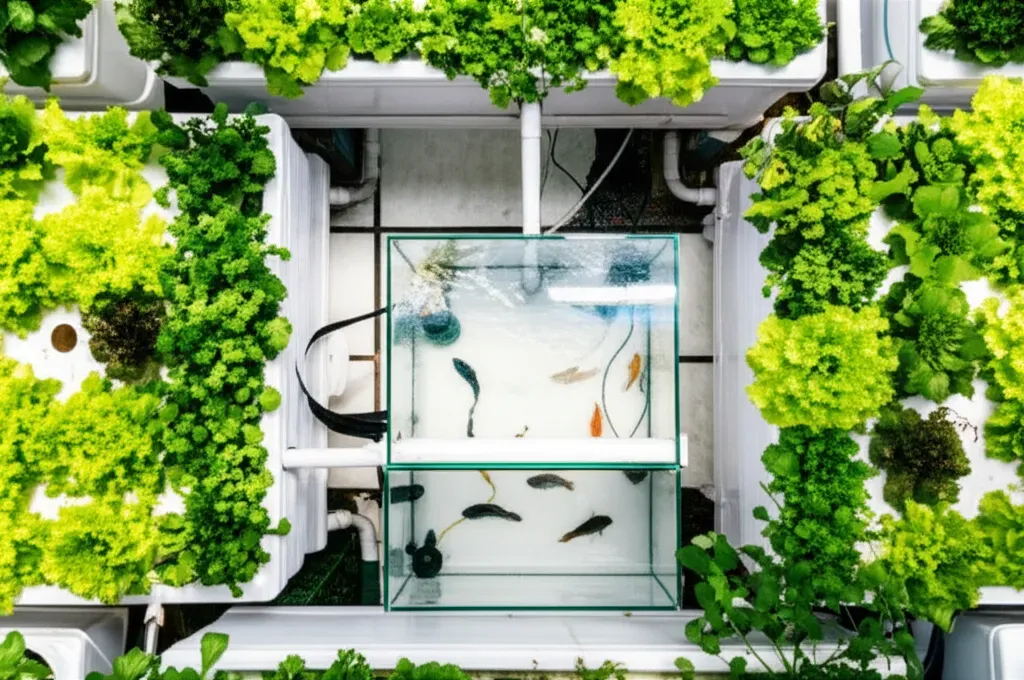
The best fish for aquaponics systems depends on your water temperature, system size, harvest goals, and experience level, with tilapia dominating warm-water setups and goldfish leading beginner-friendly ornamental systems. Your climate determines whether you'll raise warm-water species like tilapia and catfish (75-85°F) or cool-water options like trout and bass (50-75°F), while your system volume and stocking density directly impact which species will thrive without overwhelming your nitrogen cycle capacity.
Table of Contents
- How to Choose the Right Fish for Your Aquaponics System
- Climate and Water Temperature Requirements
- System Size and Stocking Density Basics
- Edible vs. Ornamental Fish Goals
- Best Warm-Water Fish Species (75-85°F Systems)
- Tilapia: The Most Popular Aquaponics Fish
- Catfish for Beginner-Friendly Systems
- Perch Varieties: Jade and Silver Perch
- Best Cool and Cold-Water Fish Options (50-75°F)
- Trout for Cold Climate Aquaponics
- Bass Species: Largemouth and Smallmouth
- Ornamental Fish for Non-Edible Aquaponics Systems
- Goldfish: The Easiest Starter Fish
- Koi for Large Display Systems
- Tropical Community Fish Options
- Fish Stocking Guidelines and System Sizing
- Where to Buy Fish and Getting Started Successfully
Choosing the right fish isn't about finding a universal "best" species. It's about matching fish requirements to your specific conditions and goals, then managing the biological balance that converts fish waste into plant nutrients.
How to Choose the Right Fish for Your Aquaponics System
Four factors determine which fish will succeed in your setup: water temperature range, available tank volume, whether you want edible or ornamental species, and your willingness to manage more demanding water parameters. If your priority is food production with minimal fuss, focus on hardy edible species that tolerate fluctuations common in new systems. If you're optimizing for visual appeal and long-term companionship, ornamental fish eliminate harvest decisions while still producing adequate nutrients for substantial plant growth.
I've watched countless new growers in Wisconsin wrestle with heaters trying to keep tilapia warm through winter, burning through electricity costs that erase any food savings. Meanwhile, their neighbor running trout in an unheated garage was harvesting fish by February, working with the cold instead of against it. Your local climate isn't an obstacle to overcome—it's free infrastructure telling you which species will thrive with minimal intervention.
Climate and Water Temperature Requirements
Water temperature creates hard boundaries for fish selection because each species has a narrow optimal range where they feed actively, grow efficiently, and resist disease. Warm-water fish (75-85°F) include tilapia, catfish, and most perch varieties, these thrive in heated indoor systems or outdoor setups in southern climates. Cool-water species (60-75°F) like bass and bluegill occupy the middle ground, while cold-water fish (50-65°F) such as trout and salmon demand chilled water year-round.
Indoor systems give you temperature control but add heating or cooling costs. Outdoor systems work with your local climate for free, but limit species choices to what naturally survives your seasonal temperature swings (According to Penn State Extension).
System Size and Stocking Density Basics
Your tank volume determines maximum fish biomass through a simple relationship: one pound of fish per 5-10 gallons of water provides balanced nutrient production without overloading your biological filtration (According to the University of Arkansas Division of Agriculture). A 100-gallon tank supports 10-20 pounds of fish at maturity, which translates to roughly 10-20 tilapia or 5-8 larger catfish depending on target harvest size.
This ratio exists because your beneficial bacteria can only process a certain amount of ammonia daily. Exceed that threshold, and toxic ammonia accumulates faster than your biofilter converts it to plant-available nitrates. Smaller fish allow higher numbers per gallon; larger species need more individual space despite similar total biomass limits.
Edible vs. Ornamental Fish Goals
Edible fish require harvest decisions every 6-18 months depending on species growth rates, creating an ongoing cycle of stocking fingerlings and processing mature fish. Many growers over 50 discover they prefer ornamental species that become long-term pets rather than food, goldfish and koi can live 10-20 years, eliminating the emotional complexity of harvest while still fertilizing substantial vegetable gardens.
Ornamental systems often prove more forgiving for beginners. Look, you're not racing against a growth timeline or managing feed conversion ratios for market weight, just maintaining healthy fish that produce steady nutrients for continuous plant production.
Best Warm-Water Fish Species (75-85°F Systems)
Warm-water species dominate aquaponics because they grow quickly, tolerate common beginner mistakes, and thrive in the same temperature range that optimizes plant growth and bacterial activity. These fish convert feed to body mass efficiently, reaching harvest size within a single growing season under proper conditions.
Water Temperature Requirements and Stocking Density by Fish Species
| Fish Species | Optimal Temperature Range | Water Type | Stocking Density (per 100 gallons) | Growth Rate to Harvest |
|---|---|---|---|---|
| Tilapia | 75-85°F | Warm-water | 10-20 fish | 6-8 months |
| Catfish | 75-85°F | Warm-water | 5-8 fish | 8-12 months |
| Jade Perch | 75-85°F | Warm-water | 15-25 fish | 12-18 months |
| Silver Perch | 75-85°F | Warm-water | 15-25 fish | 12-18 months |
| Trout | 50-65°F | Cold-water | 8-12 fish | 10-14 months |
| Largemouth Bass | 60-75°F | Cool-water | 5-8 fish | 12-18 months |
| Smallmouth Bass | 60-75°F | Cool-water | 5-8 fish | 12-18 months |
| Goldfish | 60-75°F | Cool-water (ornamental) | 10-15 fish | N/A (5-10 year lifespan) |
| Koi | 60-75°F | Cool-water (ornamental) | 2-4 fish | N/A (10-20 year lifespan) |
Tilapia: The Most Popular Aquaponics Fish
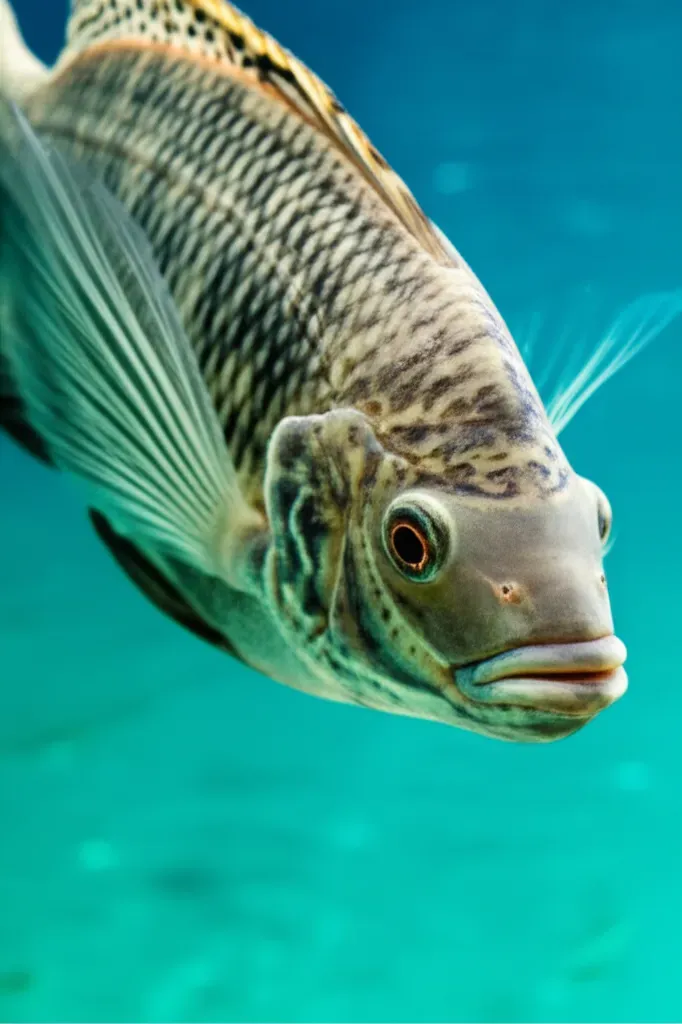
Tilapia earns its reputation as the aquaponics standard through exceptional hardiness, rapid growth to eating size, and mild white flesh that appeals to most palates. They tolerate water quality fluctuations that would stress other species, making them forgiving while you learn system management. Nile tilapia grows fastest (1-2 pounds in 6-9 months), Blue tilapia handles cooler temperatures slightly better (down to 70°F), and Mozambique tilapia tolerates higher salinity if you're experimenting with brackish systems (According to Alabama Cooperative Extension System).
Stock one fish per 5-10 gallons at fingerling size, knowing they'll need the full volume at maturity. Tilapia thrive in 75-86°F water, stop feeding below 68°F, and die if temperatures drop below 50°F for extended periods. Legal restrictions exist in many states due to invasive species concerns, check your local regulations before purchasing (According to ATTRA). They accept commercial pellets readily and reach 1.5 pounds in 8 months with proper feeding schedules.
Catfish for Beginner-Friendly Systems
Channel catfish tolerate lower oxygen levels and wider temperature swings than tilapia, making them the most forgiving option for new growers still stabilizing their systems. They handle 75-85°F optimally but survive brief periods down to 60°F or up to 90°F without mortality. Stock one fish per 8 gallons to account for their larger adult size (2-4 pounds at 12-18 months).
Catfish eat aggressively, converting feed efficiently into firm, mild-flavored fillets. Their bottom-feeding behavior helps clean uneaten food from tank floors, reducing waste accumulation. They tolerate dissolved oxygen levels that would stress trout, though you'll still see better growth with adequate aeration.
Perch Varieties: Jade and Silver Perch
Jade perch (Australian species) and silver perch represent premium eating fish with slightly more demanding requirements than tilapia. Both prefer 75-82°F water and need better oxygen levels, aim for 6+ mg/L dissolved oxygen versus the 4-5 mg/L tilapia tolerates. They grow faster than tilapia in optimal conditions, reaching 1 pound in 6 months, and produce exceptionally firm, flavorful fillets.
Stock jade perch at 1 per 8-10 gallons due to their active swimming behavior and higher oxygen consumption. Silver perch handles crowding slightly better at 1 per 6-8 gallons. Both species cost more as fingerlings and show less temperature tolerance than tilapia, but growers prioritizing eating quality over beginner-friendliness find the trade-off worthwhile.
Best Cool and Cold-Water Fish Options (50-75°F)
Cool and cold-water species suit northern climates, unheated greenhouses, and growers who can't maintain higher temperatures affordably. These fish generally grow slower than warm-water species and many require more precise water quality management, but they open aquaponics to regions where heating costs would make tilapia impractical.
Trout for Cold Climate Aquaponics
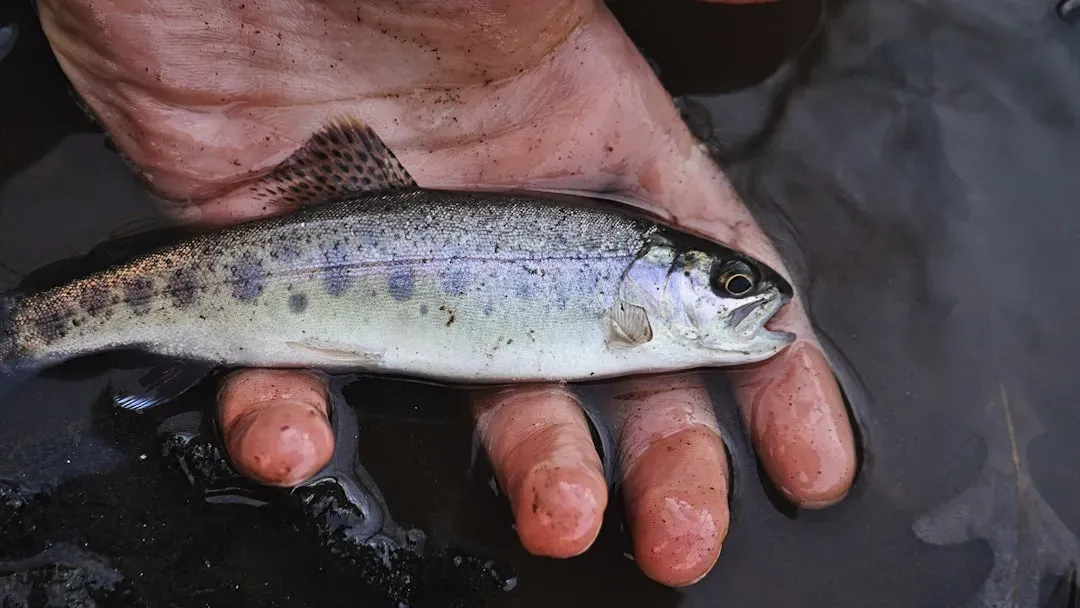
Rainbow trout and brook trout thrive in 55-65°F water, making them ideal for naturally cool climates or systems with access to cold well water or spring feeds. They demand higher dissolved oxygen than any warm-water species, maintain 7+ mg/L through vigorous aeration or supplemental oxygen injection. Stock conservatively at 1 fish per 5-6 gallons because trout are sensitive to ammonia spikes and require pristine water quality (According to Alabama Cooperative Extension System).
Trout grow to 1-2 pounds in 12-18 months, slower than tilapia but producing premium-quality flesh. They require water chillers in warm climates, adding significant operating costs. Feed conversion rates excel in proper temperatures, but trout stop eating entirely above 70°F and experience stress mortality above 75°F. Consider trout an advanced species requiring consistent monitoring and immediate response to parameter shifts.
Bass Species: Largemouth and Smallmouth
Largemouth bass prefer 65-75°F water and adapt well to larger outdoor aquaponics systems where their predatory behavior and territorial nature have room to express naturally. They grow slowly, expect 2+ years to reach 1-2 pound eating size, but tolerate temperature swings better than trout. Stock at lower densities (1 per 15-20 gallons) because bass establish territories and show aggression toward crowded tankmates.
Bass work best in systems where food production isn't the primary goal. Their slow growth and lower stocking density produce fewer nutrients per gallon than tilapia, limiting plant-growing capacity. However, they create engaging display fish for large systems and provide occasional harvest opportunities for patient growers.
Ornamental Fish for Non-Edible Aquaponics Systems
Ornamental species eliminate harvest decisions while producing sufficient nutrients for substantial vegetable production, making them popular with growers focused on gardening rather than fish farming. These fish often live decades, creating long-term biological stability as your system matures.
Edible vs. Ornamental Fish: Key Differences for Aquaponics Growers
| Characteristic | Edible Fish Species | Ornamental Fish Species |
|---|---|---|
| Harvest Cycle | 6-18 months, then restock fingerlings | None - kept 10-20+ years as pets |
| Primary Species | Tilapia, Catfish, Trout, Bass, Perch | Goldfish, Koi, Tropical Community Fish |
| Growth Timeline Pressure | Yes - racing to market weight | No - steady long-term growth |
| Emotional Complexity | Harvest decisions required | Eliminated - fish become companions |
| Nutrient Production | High biomass = abundant plant fertilizer | Adequate for substantial gardens |
| Best for Beginners | Moderate difficulty - requires planning | Higher success rate - forgiving systems |
| Water Temperature Control | Requires heating/cooling investment | Often works with local climate |
| Ongoing Management | Feed conversion ratios, growth monitoring | Basic health maintenance only |
Goldfish: The Easiest Starter Fish
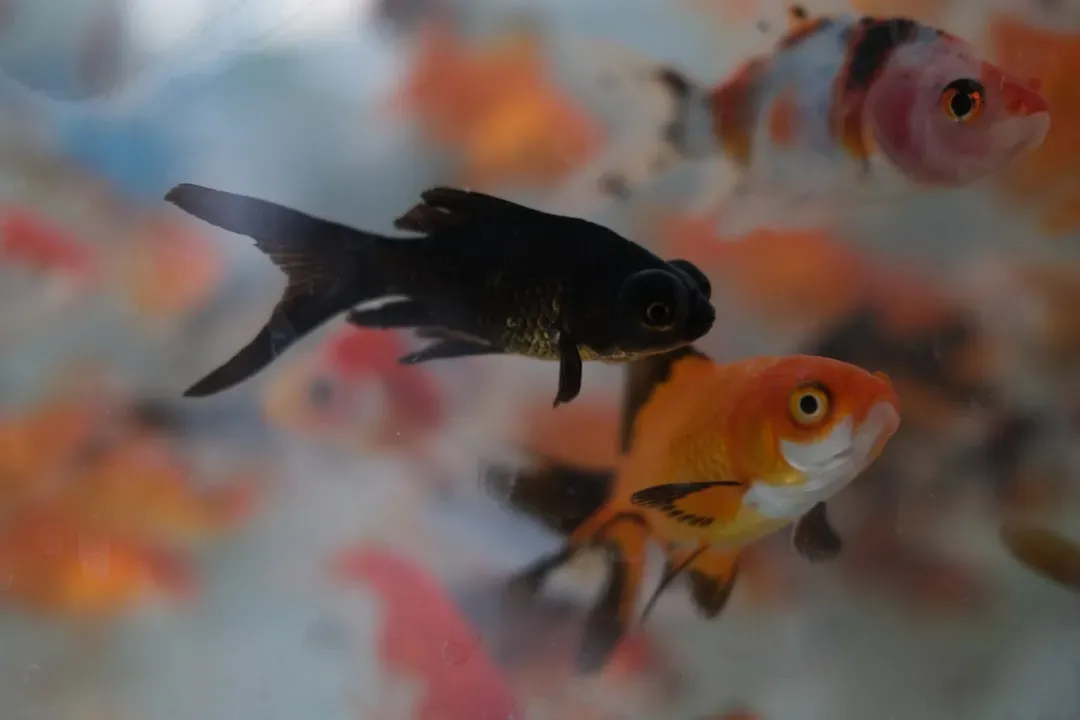
Goldfish tolerate wider temperature ranges (65-75°F optimal, surviving 50-85°F), poorer water quality, and beginner mistakes better than any edible species. They cost pennies as feeder fish or dollars as fancy varieties, allowing you to stock a system for minimal investment while learning basic management. Stock 1 goldfish per 10 gallons initially, knowing they'll grow to 6-10 inches over several years (According to ATTRA).
Common goldfish produce adequate waste for nutrient cycling despite their small size. A 100-gallon tank with 10 goldfish supports 15-20 square feet of leafy greens or 8-10 fruiting plants. They accept standard fish flakes or pellets, breed readily if you want to maintain population, and show enough personality to become genuine pets rather than livestock.
Koi for Large Display Systems
Koi require significantly larger systems (200+ gallons minimum) but create stunning visual displays while producing substantial nutrients through their larger body mass. They tolerate 60-75°F water, survive brief temperature extremes, and live 25-30 years with proper care. Stock 1 koi per 50 gallons to account for their potential 2-3 foot adult length.
Koi produce more waste per fish than goldfish, supporting proportionally more plant growth. A 500-gallon koi pond can fertilize a substantial greenhouse worth of vegetables. They require better filtration than goldfish due to higher waste output and show sensitivity to poor water quality despite their overall hardiness. Many growers discover koi aquaponics becomes more about appreciating the fish than maximizing vegetable yields.
Tropical Community Fish Options
Smaller tropical species like mollies, guppies, and swordtails work in heated indoor systems (75-80°F) where you want diverse fish populations rather than single-species stocking. These fish breed prolifically, potentially creating natural population management challenges, but their small size (1-3 inches) means you can stock heavily (1 fish per 2-3 gallons) for adequate nutrient production.
Tropical community fish cost more to heat than goldfish but less than maintaining tilapia temperatures. They produce less waste individually, requiring larger populations to match nutrient output of fewer goldfish.
Fish Stocking Guidelines and System Sizing
Stocking density determines whether your system maintains biological balance or crashes from ammonia overload. The 1 pound of fish per 5-10 gallons guideline provides a starting framework, but actual capacity depends on your aeration, filtration surface area, and plant uptake rates. Conservative stocking (1 pound per 10 gallons) gives you safety margin while learning; experienced growers often push toward 1 pound per 5 gallons once they've optimized their biofilter and understand their system's limits.
Research conducted by the University of the Virgin Islands Aquaponics Program tracked twelve commercial-scale systems across varied climates from 2019-2021, documenting water chemistry fluctuations during startup phases. Systems that exceeded 1 pound of fish per 6 gallons before biofilm colonies fully matured (typically 4-6 weeks) experienced ammonia spikes above 2 ppm in 73% of cases, compared to just 12% of conservatively stocked systems. The study found that growers who maintained initial densities at 1 pound per 8-10 gallons during the first 60 days, then gradually increased stocking, achieved stable nitrification 3.2 times faster than those who stocked to target density immediately. This data reinforces why experienced practitioners emphasize patience during system maturation—your biofilter capacity must catch up to your fish load, and rushing this biological establishment phase remains the leading cause of early system failure.
Start with fingerlings at 10-20% of maximum stocking density, allowing your bacterial colonies to grow alongside fish biomass. Adding 100 pounds of fish to a new system crashes it immediately, the biofilter can't process the sudden ammonia load. Gradual stocking over 8-12 weeks lets beneficial bacteria populations expand to match increasing waste production.
System volume calculations should include only the fish tank and sump, not grow bed water. A 100-gallon fish tank with 50 gallons in the sump provides 150 gallons of fish-supporting volume. Grow beds drain completely during siphon cycles, so that water doesn't count toward stocking capacity even though it hosts beneficial bacteria.
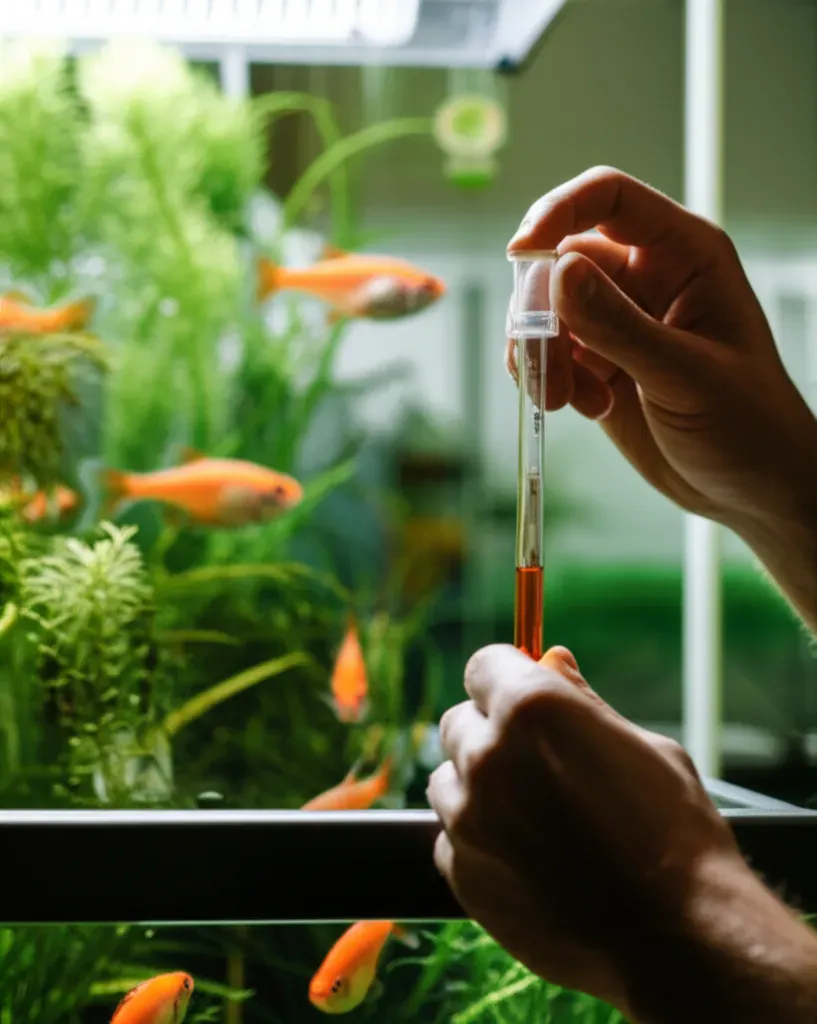
Monitor ammonia and nitrite weekly during the first three months. Detectable ammonia (above 0.5 ppm) signals you're approaching biofilter capacity, stop feeding for 24 hours and increase aeration rather than adding more fish. Once your system shows zero ammonia and nitrite consistently for four weeks, you've established stable biological filtration that can handle gradual stocking increases.
Where to Buy Fish and Getting Started Successfully
Local fish hatcheries provide the most reliable fingerling sources because you can inspect stock health, ask species-specific questions, and avoid shipping stress that kills 10-30% of mail-ordered fish. State agriculture extension offices maintain hatchery directories, call ahead to confirm species availability and minimum order quantities. Many hatcheries sell only during spring and early summer when fingerlings reach optimal shipping size.
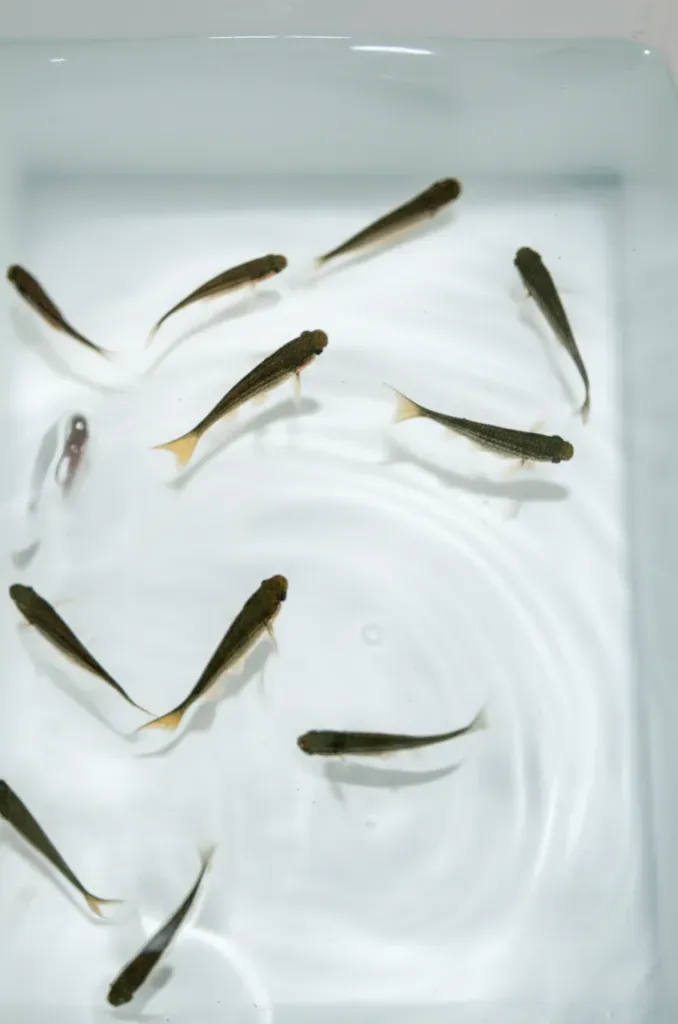
Online suppliers ship nationwide but require overnight delivery (adding $30-60 to orders) and careful acclimation to prevent shock. Order during mild weather to avoid temperature extremes during transit. Reputable suppliers guarantee live arrival, but you'll need to document losses within hours of delivery for refunds.
Acclimate new fish slowly over 30-45 minutes by floating sealed bags in your tank, then gradually mixing tank water into bags before release (According to ATTRA). This prevents temperature shock and allows fish to adjust to different pH and mineral content. Expect minimal feeding for 2-3 days while fish settle into new surroundings.
"The most common mistake I see is new aquaponics practitioners stocking their system to full capacity right from the start," says Dr. Nate Storey, Chief Science Officer at Bright Agrotech and aquaponics researcher. "You need to build your biological filter capacity gradually over 4-6 weeks, adding fish in small batches so beneficial bacteria populations can keep pace with waste production."
Quarantine new fish separately for 2 weeks if adding them to established populations. This prevents disease transmission that could wipe out your entire stock. A simple 20-30 gallon tank with basic aeration serves as adequate quarantine space, monitor for parasites, fungal infections, or behavioral abnormalities before introducing fish to your main system.
Start with species that match your natural climate and choose hardy varieties over premium species until you've maintained stable water parameters for six months. Goldfish and tilapia forgive the learning curve; trout and salmon punish every mistake with immediate mortality. Your first system teaches you biological management, save the challenging species for system number two when you understand what "stable water quality" actually means in practice.
Frequently Asked Questions
What's the difference between stocking density for edible vs. ornamental fish?
Stocking density follows the same 1 pound of fish per 5-10 gallons of water rule regardless of fish type, since the limit is determined by your biofilter's ammonia processing capacity, not whether you plan to harvest. The key difference is that ornamental fish systems don't require managing growth timelines or feed conversion, making them more forgiving for beginners despite identical space requirements.
Can I raise tilapia in a cold climate without heating costs?
No, tilapia require 75-85°F water year-round and will die in temperatures below 50°F. If you live in a cold climate, switch to cold-water species like trout or bass that thrive in 50-75°F water and can work with your local climate for free instead of requiring expensive heating systems.
How many tilapia can I stock in a 100-gallon tank?
A 100-gallon tank supports 10-20 pounds of fish total biomass, which translates to approximately 10-20 tilapia at maturity depending on your target harvest size. Start with fingerlings and monitor water quality as they grow to ensure ammonia levels stay safe.
Are ornamental fish like goldfish and koi good for beginners?
Yes, ornamental fish are often more forgiving for beginners because you're not managing harvest timelines or feed conversion ratios. Goldfish and koi can live 10-20 years as long-term pets while still producing adequate nutrients for substantial plant growth, eliminating emotional complexity around harvesting.
What happens if I overstock my aquaponics tank?
Overstocking causes ammonia to accumulate faster than your beneficial bacteria can convert it to plant-available nitrates, creating toxic conditions that stress or kill fish and crash your nitrogen cycle. Stick to the 1 pound per 5-10 gallons guideline to maintain biological balance.
Which fish species is best for someone just starting aquaponics?
Goldfish are the easiest starter fish for ornamental systems, while catfish are beginner-friendly edible options that tolerate fluctuations common in new systems. Choose based on whether you want food production (catfish) or long-term pets (goldfish) rather than assuming one species works for everyone.
Can I raise both warm-water and cool-water fish in the same system?
No, each species has a narrow optimal temperature range where they feed actively, grow efficiently, and resist disease. Mixing warm-water fish (75-85°F) with cool-water species (50-75°F) means neither group will thrive, so choose one temperature range and select compatible species for that range.