Aquaponics System Pros and Cons: Is It Right for You?
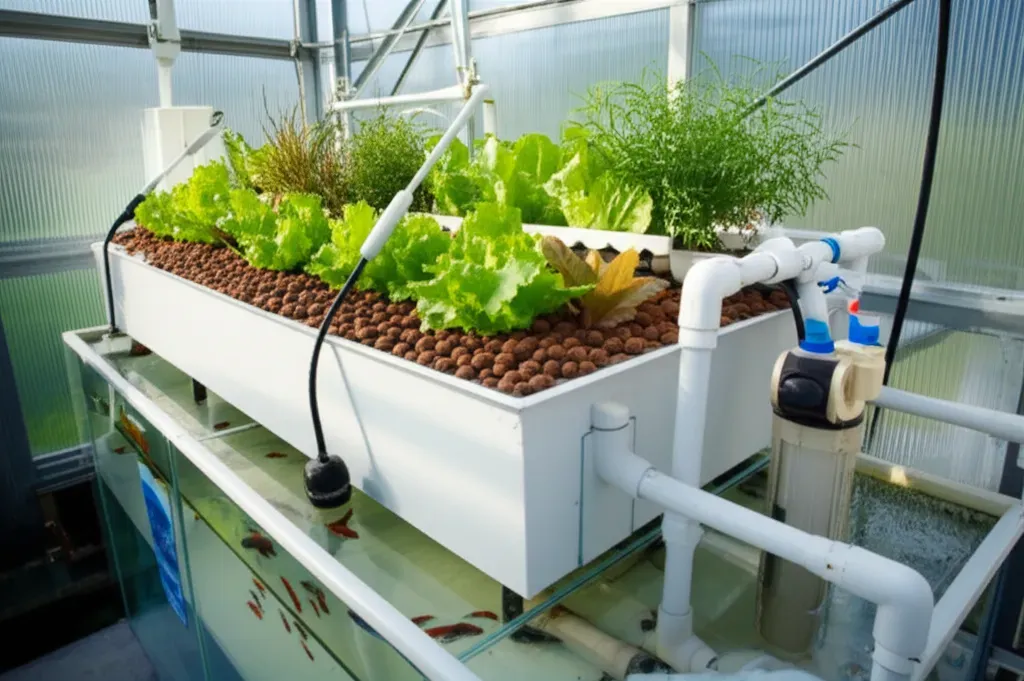
Aquaponics combines fish farming with vegetable growing in a closed-loop system that can save 90% of the water traditional gardening requires, but it demands consistent monitoring, upfront investment, and a genuine interest in managing living ecosystems (USDA). Whether this sustainable food production method fits your lifestyle depends on your budget, available space, time commitment, and willingness to learn water chemistry basics.
Table of Contents
- What Aquaponics Really Involves: Setting Realistic Expectations
- The Basic Components of an Aquaponics System
- Daily, Weekly, and Monthly Time Commitments
- The Major Advantages of Aquaponics Systems
- Physical Benefits: Less Bending, Kneeling, and Heavy Lifting
- Food Security and Quality Control
- The Real Drawbacks and Challenges You Need to Consider
- Startup Costs: Budget vs. Premium Options
- The Learning Curve and Common Beginner Mistakes
- Is Your Living Situation Suitable for Aquaponics?
- Climate Considerations and Indoor vs. Outdoor Setup
- Making Your Decision: A Practical Framework
The promise of fresh vegetables and fish protein from your own backyard or basement appeals to anyone seeking food independence. However, the reality involves more than marketing materials suggest, and understanding both the genuine advantages and honest limitations will help you decide if aquaponics aligns with your goals and circumstances.
What Aquaponics Really Involves: Setting Realistic Expectations
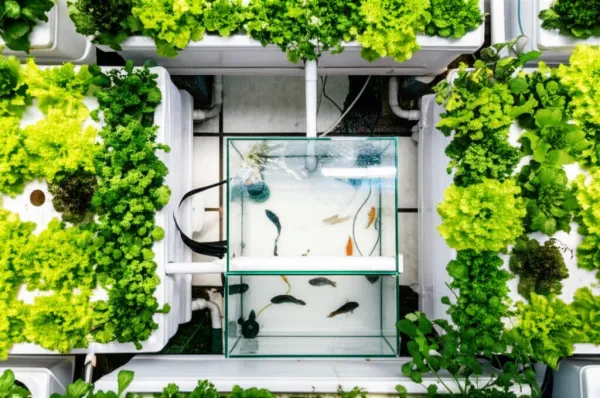
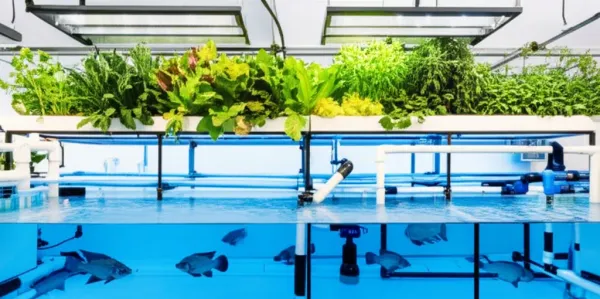
Aquaponics is a food production system that couples fish farming with plant cultivation in water, where fish waste provides organic nutrients for plants while plants filter water for fish (USDA National Agricultural Library). This symbiotic relationship eliminates synthetic fertilizers and creates a self-sustaining ecosystem once properly balanced.
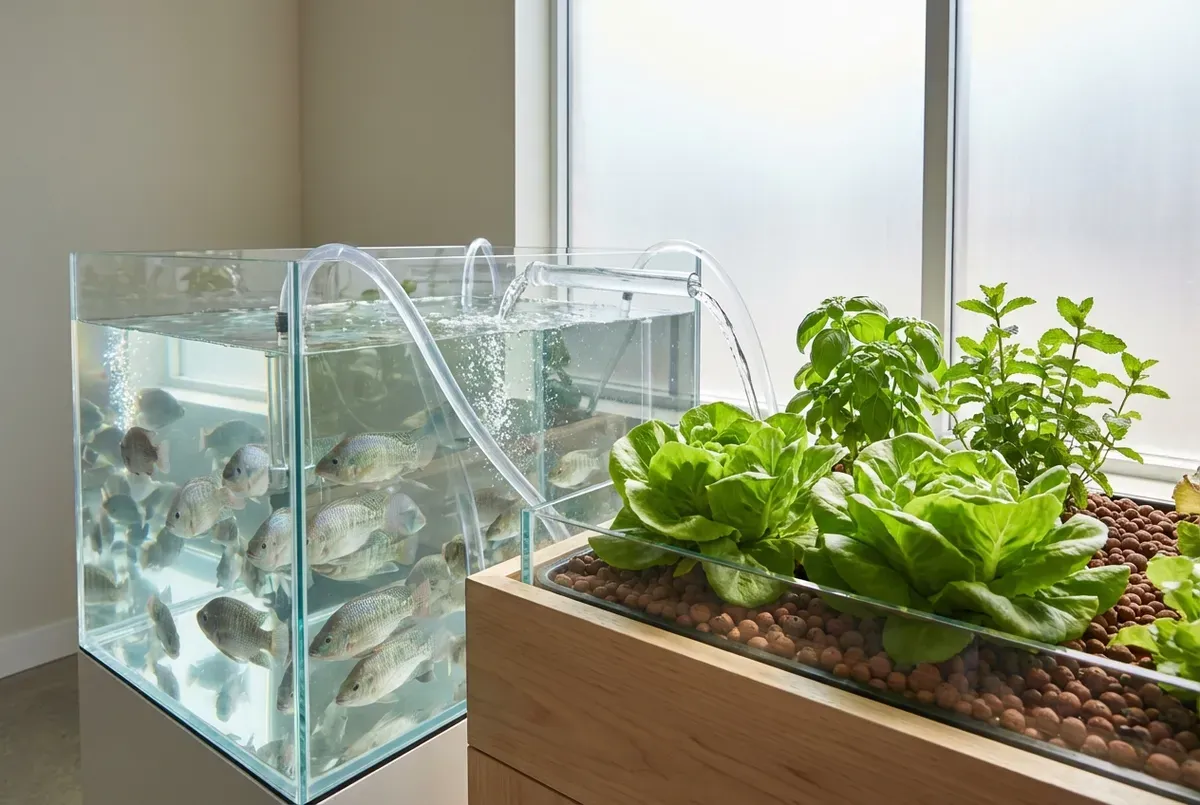
The system operates continuously, meaning your water pump runs 24/7 or on precise intervals to maintain circulation and oxygenation. Fish produce ammonia through waste, beneficial bacteria convert that ammonia into nitrites and then nitrates, and plants absorb those nitrates as fertilizer. This nitrogen cycle forms the foundation of every aquaponics system, regardless of size or complexity.
Many beginners discover their first challenge isn't building the system but rather establishing this bacterial colony, which typically takes 4-6 weeks before you can safely add fish at full capacity.
The Basic Components of an Aquaponics System
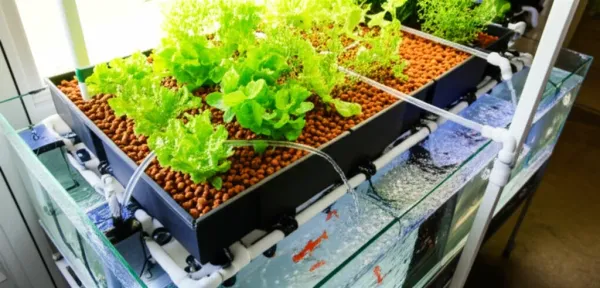
Picture a fish tank connected to a growing bed positioned above or beside it. Water pumps from the fish tank into the grow bed, where plants sit in expanded clay pebbles or gravel instead of soil. The grow bed acts as both a planting area and a biological filter where beneficial bacteria colonize the media surface.
Water either drains continuously back to the fish tank or uses a bell siphon mechanism that automatically fills and drains the grow bed in cycles. This flood-and-drain action pulls oxygen into the root zone and prevents stagnant conditions. A basic system needs just four elements: fish tank, grow bed, water pump, and aeration for the fish.
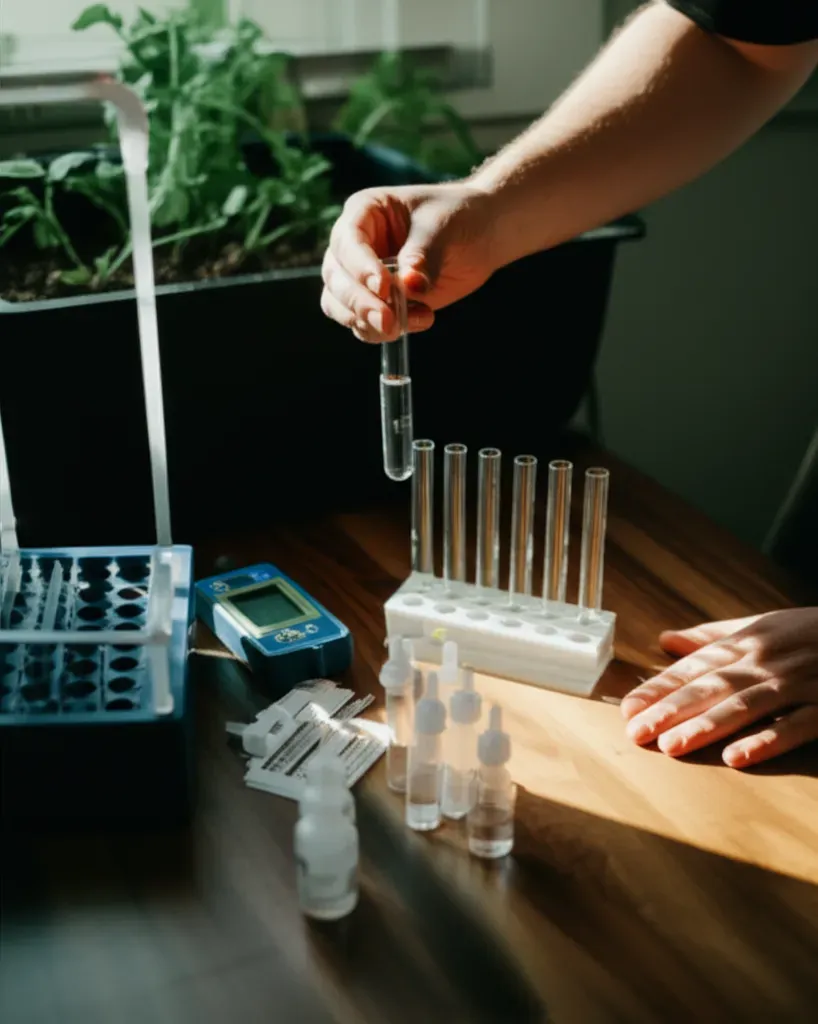
Well, you'll also need testing equipment for pH, ammonia, nitrite, and nitrate levels, but those aren't structural components.
Daily, Weekly, and Monthly Time Commitments
Daily tasks take 5-10 minutes: feed the fish, observe their behavior for signs of stress or illness, check that the pump is running, and scan plants for pest issues or nutrient deficiencies. This quick inspection becomes routine, like checking your email.
Weekly maintenance adds another 15-30 minutes for water testing (pH, ammonia, nitrite, nitrate), topping off evaporated water, and harvesting mature plants. Monthly tasks include cleaning pump filters, inspecting plumbing connections, and potentially adjusting fish stocking as your fish grow larger.
Compared to traditional gardening, you'll spend less time weeding, watering, and dealing with soil preparation, but more time monitoring water chemistry and equipment function. I've watched hundreds of students drop out in month two because they underestimated that weekly testing ritual—standing in the greenhouse with test tubes while dinner gets cold inside becomes the breaking point. The growers who succeed are the ones who build that 20-minute Sunday morning routine into their week like clockwork, coffee in hand, before the house wakes up. After three months, you'll know your system's rhythm so well that you can spot a pH drift just by how the lettuce leaves catch the light, but those first twelve weeks demand disciplined attention to the numbers.
The Major Advantages of Aquaponics Systems
The water efficiency alone makes aquaponics remarkable for drought-prone regions or anyone concerned about resource conservation. Because water recirculates continuously through the system, you only replace what evaporates or gets absorbed by plants, roughly 90% less than soil-based agriculture requires (USDA).
Time Commitment Breakdown for Aquaponics System Management
| Task Frequency | Duration | Typical Activities |
|---|---|---|
| Daily | 5-10 minutes | Feed fish, observe behavior, check pump operation, scan for pests |
| Weekly | 15-30 minutes | Test water chemistry (pH, ammonia, nitrite, nitrate), top off evaporated water, harvest mature plants |
| Monthly | Variable | Clean pump filters, inspect plumbing connections, adjust fish stocking as needed |
You'll never pull weeds from an aquaponics system, since plants grow in inert media without soil. The absence of dirt also means no soil-borne diseases, no tilling, and no back-breaking soil amendment work each season. Fish waste provides all the organic nutrition plants need, eliminating trips to the garden center for fertilizer bags.
Year-round production becomes possible with indoor or greenhouse systems, giving you fresh lettuce in January and basil in December regardless of outdoor conditions. This continuous harvest cycle means you're picking salad greens every week rather than waiting for a single seasonal harvest.
The dual harvest distinguishes aquaponics from simple vegetable gardening, you're raising protein alongside your produce. Tilapia, trout, or catfish provide fresh fish fillets while their waste feeds your crops, creating two food streams from one system.
Physical Benefits: Less Bending, Kneeling, and Heavy Lifting
Grow beds sit at waist or chest height, positioning your plants at a comfortable working level that eliminates the constant bending and kneeling traditional gardening demands. For those managing arthritis, back problems, or general mobility limitations, this ergonomic advantage transforms food growing from a painful chore into an accessible activity.
The system comes to you rather than requiring you to crouch in dirt. Harvesting lettuce, planting seedlings, and checking plant health all happen at standing height. Water weight stays stationary in tanks and beds, you're not hauling watering cans or dragging hoses across a yard.
The physical demands shift from strength and flexibility to observation and patience, making aquaponics particularly suitable for older adults who want to maintain an active food-growing practice without the joint stress.
Food Security and Quality Control
Growing your own vegetables and fish creates independence from supply chain disruptions, price fluctuations, and questionable agricultural practices. You know exactly what went into your food because you controlled every input, no pesticides, no herbicides, no antibiotics unless you chose to use them.
Fresh-picked lettuce contains more nutrients than grocery store greens that traveled 1,500 miles and sat in cold storage for a week. Your fish never saw growth hormones or contaminated feed if you selected quality fish food. This transparency and freshness simply isn't available through retail channels.
The system produces consistently once established, providing reliable harvests that don't depend on weather cooperation or seasonal availability. That reliability offers genuine food security for households concerned about self-sufficiency.
The Real Drawbacks and Challenges You Need to Consider
Startup costs create the first barrier for many interested growers. A functional beginner system requires $300-500 minimum, mid-range setups run $800-1,500, and larger productive systems easily exceed $3,000 before you've grown a single leaf of lettuce. These figures include the basics but often overlook testing kits, backup air pumps, and the electricity costs of running pumps continuously.
Aquaponics vs. Traditional Gardening: Time and Resource Comparison
| Factor | Aquaponics | Traditional Soil Gardening |
|---|---|---|
| Water Usage | 90% less water required | Higher water consumption for irrigation |
| Weeding | None (no soil) | Regular weeding required |
| Soil Preparation | No tilling or amendments needed | Annual soil amendment and preparation |
| Fertilizer Costs | None (fish waste provides nutrients) | Regular fertilizer purchases |
| Soil-Borne Diseases | Eliminated | Common concern requiring management |
| Seasonal Production | Year-round with indoor/greenhouse setup | Limited to growing season |
| Physical Demands | Minimal bending and kneeling | High (bending, kneeling, heavy lifting) |
The learning curve for water chemistry intimidates beginners unfamiliar with concepts like nitrification, pH buffering, and dissolved oxygen. Regular monitoring of pH, ammonia, nitrite, and nitrate levels is critical for maintaining system health (University of Maryland Extension), and interpreting those numbers requires knowledge most gardeners never developed.
Plant variety limitations frustrate growers expecting to cultivate everything they'd grow in soil. Leafy greens and herbs thrive in aquaponics, but fruiting plants like tomatoes and peppers demand additional nutrient supplementation and system adjustments (University of Maryland Extension). The fish waste provides excellent nitrogen but lacks sufficient potassium and other minerals fruiting plants need.
System failures carry high stakes because both fish and plants depend on continuous water circulation and oxygenation. A pump failure during a weekend away can result in rapid fish mortality and plant stress. Power outages threaten the entire ecosystem unless you have battery backup systems.
Here's the thing: aquaponics represents a compromise between specialized systems. Production efficiency typically doesn't match optimized standalone hydroponic or aquaculture operations (ScienceDirect research). You're accepting slightly lower yields in exchange for the integrated benefits and reduced input requirements.
Startup Costs: Budget vs. Premium Options
A small beginner system (10-20 gallon fish tank, single grow bed) costs $300-500 for basic components: tank, grow bed, pump, plumbing, media, and initial fish and seeds. This entry point lets you test your interest without major financial commitment, though production remains limited to herbs and small greens.
Mid-range systems ($800-1,500) provide 50-100 gallon fish capacity with multiple grow beds, producing enough vegetables for regular household consumption. These setups often include better filtration, more reliable pumps, and sufficient space to experiment with different crops simultaneously.
Premium systems exceed $2,000 and can reach $5,000+ for greenhouse installations with automated monitoring, backup power systems, and substantial growing capacity (ScienceDirect). Often-overlooked expenses include water testing kits ($30-100), backup air pumps ($20-50), electricity for continuous pump operation ($5-15 monthly), and heating costs in cold climates that can double your electric bill during winter months.
The Learning Curve and Common Beginner Mistakes
Water chemistry balance confuses most newcomers. pH naturally drifts downward as nitrification produces acid, requiring periodic adjustment to maintain the 6.8-7.2 sweet spot where fish, plants, and bacteria all thrive. Ammonia spikes during the first weeks kill fish if you stock too early or too heavily.
The nitrogen cycle establishment takes patience beginners rarely expect. Adding fish before beneficial bacteria colonize your grow media creates toxic conditions, yet many new growers stock their tanks immediately after filling them with water. This impatience causes more first-system failures than any other mistake.
Fish stocking rates require careful calculation based on grow bed volume and filtration capacity. Overstocking overwhelms the system's ability to process waste, leading to chronic water quality problems and stunted plant growth.
Is Your Living Situation Suitable for Aquaponics?
Space requirements vary dramatically based on your production goals. A countertop herb system occupies just 2-3 square feet, while a family-scale setup needs 20-40 square feet of floor space plus access room for maintenance. Weight becomes critical for indoor installations, a 100-gallon system weighs over 1,000 pounds when filled, requiring structural support beyond what typical residential floors provide on upper levels.
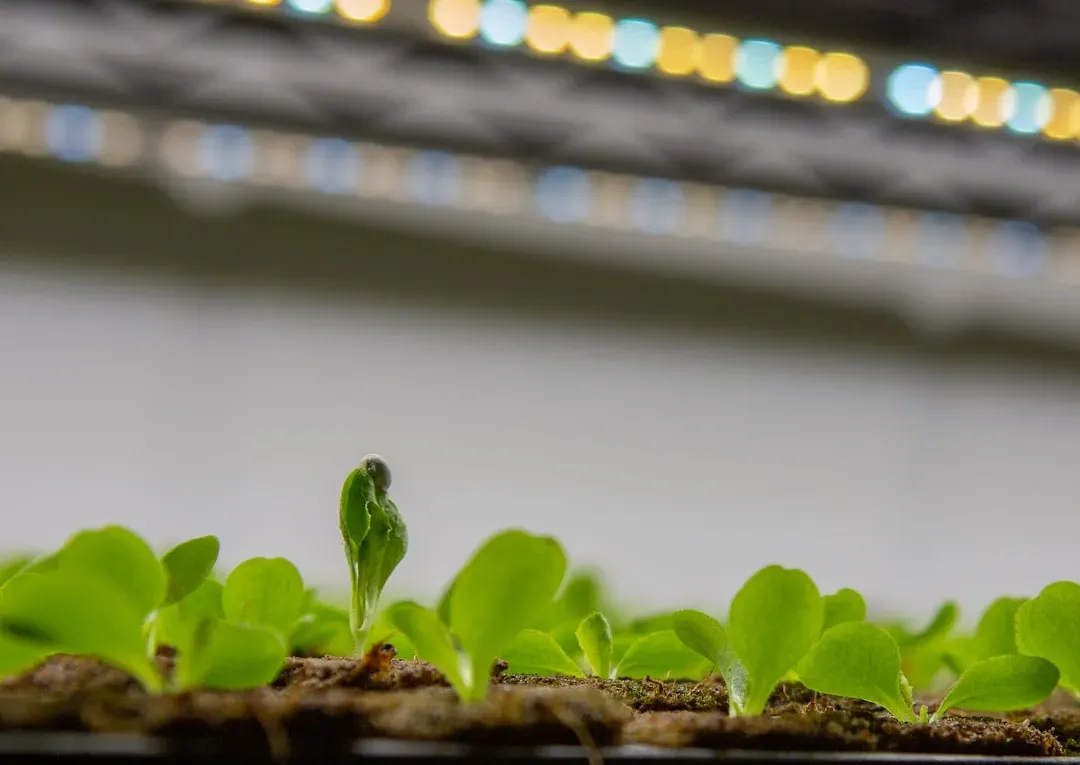
Electrical access must be reliable and nearby, since extension cords create tripping hazards and fire risks for systems running 24/7. Natural light through south-facing windows works for small systems, but most indoor setups need supplemental grow lights adding another $50-200 to startup costs and increasing electricity consumption.
Noise from water pumps and flowing water bothers some households, particularly in bedrooms or quiet living spaces. Quality pumps run quieter than cheap models, but you'll always hear some ambient water movement. Apartment dwellers need to consider neighbors below who might object to potential leaks or constant pump vibration.
Climate Considerations and Indoor vs. Outdoor Setup
Temperature stability matters more than specific temperature ranges. Most common fish and plants tolerate 65-80°F, but rapid fluctuations stress both. Outdoor systems in temperate climates work spring through fall but require greenhouse protection or indoor relocation during freezing weather.
Heating costs in cold climates add $20-50 monthly to maintain optimal water temperature (typically 70-86°F depending on species, per ScienceDirect research). Cooling in hot climates proves more challenging and expensive than heating, since water chillers cost $300+ and consume significant electricity.
Indoor systems eliminate weather variables but require artificial lighting for most crops. Basements offer temperature stability but lack natural light, while sunrooms provide light but experience temperature swings. Greenhouses represent the ideal compromise but add substantial upfront investment.
Making Your Decision: A Practical Framework
Ask yourself these qualifying questions: Can you commit to daily 5-10 minute check-ins without exception? Do you have $300-500 available for initial investment without financial stress? Does your living situation allow a system that runs continuously and might occasionally leak or overflow?
If you travel frequently for weeks at a time, aquaponics presents serious challenges unless you have a dedicated caretaker who understands water chemistry. Rental situations require landlord approval for systems holding significant water volume. HOA restrictions sometimes prohibit outdoor aquaculture in visible areas.
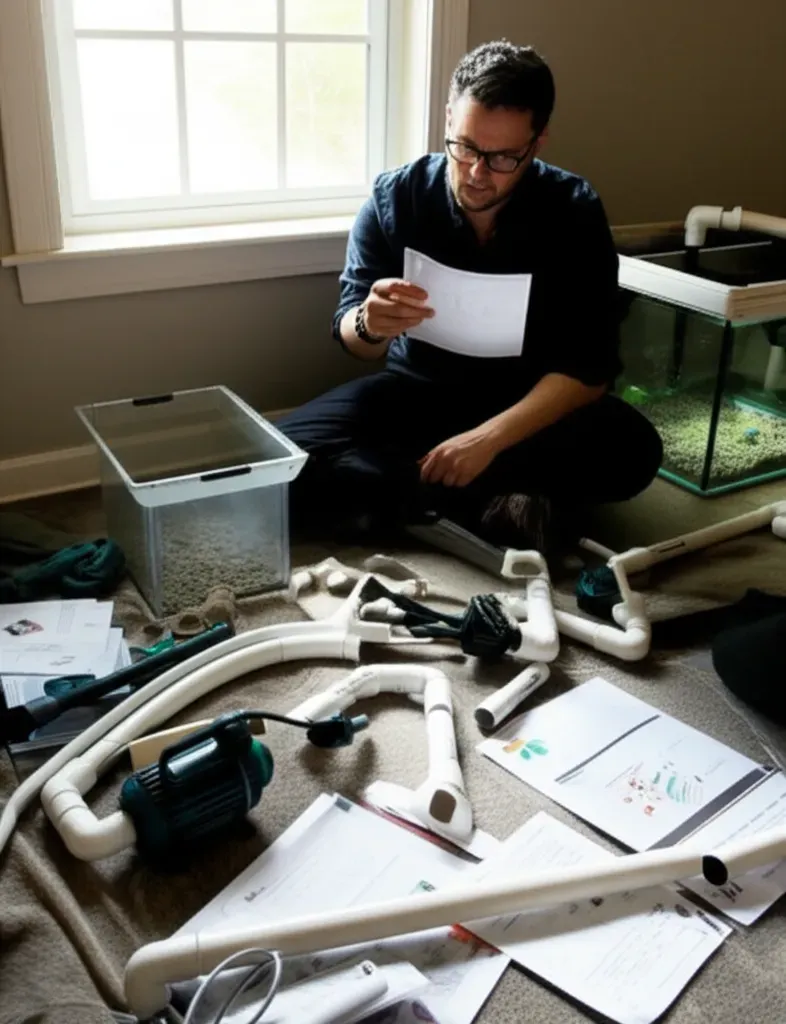
Three practical starting paths emerge based on your situation. Start small with a countertop 10-gallon system ($150-250) to test your interest and learn the basics without major commitment. Purchase a complete kit ($400-800) that includes everything needed for a mid-size system, eliminating the research and sourcing hassle. DIY build from plans if you enjoy hands-on projects and want to minimize costs while maximizing learning.
Aquaponics might NOT be right if you expect immediate results (the system takes 2-3 months to reach full productivity), want maximum yields of fruiting vegetables (hydroponics alone produces better tomatoes), lack patience for learning curves, or can't accommodate the continuous electricity requirement and daily attention needs. "The biggest mistake new aquaponics growers make is starting too large," says Dr. Nate Storey, Chief Science Officer at Bright Agrotech and aquaponics researcher. "A small system teaches you the biological rhythms and lets you fail cheaply while you're learning."
Begin with honest self-assessment of your motivations. If you're drawn to the sustainable closed-loop concept, enjoy observing natural systems, and want both fish and vegetables from one integrated setup, aquaponics offers genuine rewards that justify the learning investment and ongoing attention it requires.
Frequently Asked Questions
How long does it take before I can actually harvest food from an aquaponics system?
You'll need 4-6 weeks to establish the bacterial colony before adding fish at full capacity, then another 6-8 weeks for most vegetables to reach maturity. So realistically, expect your first significant harvest around 2-3 months after setup. Fast-growing greens like lettuce may be ready sooner, while fruiting plants take longer.
What's the realistic weekly time commitment for maintaining an aquaponics system?
Plan for 15-30 minutes weekly for water testing (pH, ammonia, nitrite, nitrate), topping off evaporated water, and harvesting plants, plus 5-10 minutes daily for feeding fish and quick system checks. The weekly water testing routine is the most critical task and often where beginners struggle to stay consistent.
Can I set up an aquaponics system indoors or in a small apartment?
Yes, aquaponics systems can be scaled to fit indoor spaces and basements, though you'll need to consider climate control, lighting, and adequate space for the fish tank and grow beds. The article mentions indoor setups are possible, but you should verify your local regulations and ensure proper ventilation and electrical setup.
How much money should I budget to start an aquaponics system?
The article mentions both budget and premium options exist but doesn't specify exact costs. Startup expenses vary widely depending on system size and quality—basic DIY systems can start under $500, while commercial-grade setups cost significantly more. Factor in testing equipment, which is essential for monitoring water chemistry.
What water chemistry knowledge do I need to operate an aquaponics system?
You need to understand and monitor pH, ammonia, nitrite, and nitrate levels weekly. While you don't need advanced chemistry expertise, you must be willing to learn how these parameters affect fish and plant health and how to make adjustments when levels drift out of range.
Is aquaponics suitable for someone with physical limitations who struggles with traditional gardening?
Yes, aquaponics offers significant physical benefits because plants grow in elevated beds without soil, eliminating the need for bending, kneeling, and heavy digging. This makes it an excellent option for people with mobility issues or those seeking to reduce physical strain compared to traditional gardening.
What are the most common beginner mistakes in aquaponics?
The article highlights that underestimating the weekly water testing commitment is a major reason beginners quit by month two. Other common mistakes likely include not allowing adequate time for bacterial colony establishment and failing to maintain consistent daily monitoring routines.
How much water does aquaponics actually save compared to traditional gardening?
Aquaponics systems can save approximately 90% of the water that traditional gardening requires because water recirculates continuously through the closed-loop system. You only need to replace water lost through evaporation, making it highly efficient for water-conscious growers.