Aquaponics System Diagram: Visual Guide to System Layouts
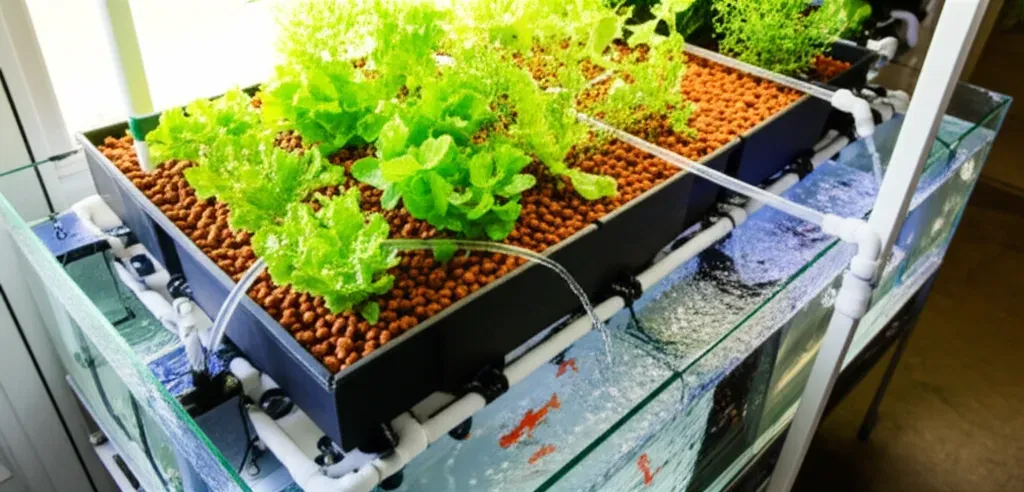
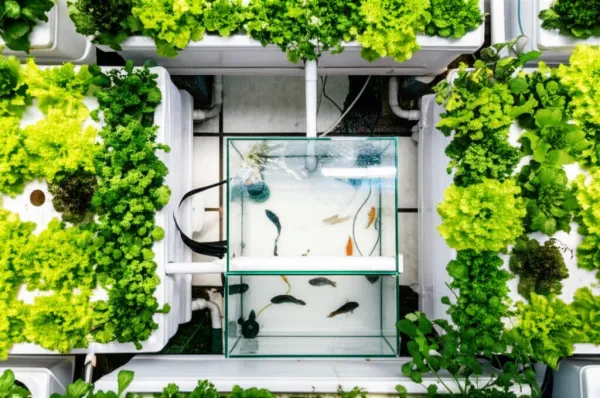
An aquaponics system diagram maps the water flow and biological relationships between fish tanks, grow beds, and filtration components, showing you exactly how fish waste transforms into plant nutrients through bacterial action. Understanding these visual layouts helps you choose the right design for your space, budget, and physical capabilities before you invest in components or construction materials.
Table of Contents
- Understanding Aquaponics System Components and Flow
- The Three Core Elements: Fish Tank, Grow Bed, and Filtration
- Water Flow Patterns and the Nitrogen Cycle Explained
- Pumps, Plumbing, and Aeration Systems
- Four Main Aquaponics System Layouts Compared
- Media Bed Systems: The Beginner-Friendly Choice
- NFT Systems: Space-Efficient Vertical Growing
- DWC and Hybrid Systems: Scaling for Production
- Sizing and Scaling Your System Layout
- Small Systems: Starter Setups for Limited Space
- Medium Systems: Hobby-Scale Production
- Location Considerations: Indoor, Outdoor, and Greenhouse Layouts
- Common Layout Mistakes and Design Best Practices
- Accessibility and Ergonomic Design Principles
- Critical Design Checklist Before You Build
The diagrams you'll encounter show more than just plumbing connections. They reveal the nitrogen cycle in action, the mechanical systems that maintain water movement, and the sizing relationships that determine whether your system thrives or struggles. I spent three months researching system diagrams online before building my first setup, and I still plumbed my fish tank drain into the wrong port on my grow bed—a mistake that flooded my garage within hours. That expensive lesson taught me to trace every arrow on the diagram with my finger while standing in front of the actual components, matching each illustrated connection to the physical plumbing before turning on a single pump.
Understanding Aquaponics System Components and Flow
Every aquaponics system integrates aquaculture and hydroponics in a recirculating loop where fish provide nutrients and plants filter water (according to the USDA National Agricultural Library). This closed-loop design requires three fundamental elements working in harmony: a fish habitat that generates waste, a growing environment that absorbs nutrients, and a biological filter that converts toxic ammonia into plant-available nitrate.
Aquaponics System Component Sizing Guide
| Component | Fish Tank Size | Grow Bed Area | Pump Capacity | Stocking Density |
|---|---|---|---|---|
| Small Starter | 20-30 gallons | 6-8 sq ft | 20-30 GPH | 4-6 lbs fish |
| Medium Hobby | 50 gallons | 12-15 sq ft | 50+ GPH | 10-15 lbs fish |
| Large Production | 100+ gallons | 30+ sq ft | 100+ GPH | 25+ lbs fish |
The Three Core Elements: Fish Tank, Grow Bed, and Filtration
Your fish tank serves as the nutrient generator, housing the animals whose waste feeds your entire system. Tank size directly determines fish capacity, a 50-gallon tank typically supports 10-15 pounds of fish at full stocking density, though you'll start with far fewer during system establishment.
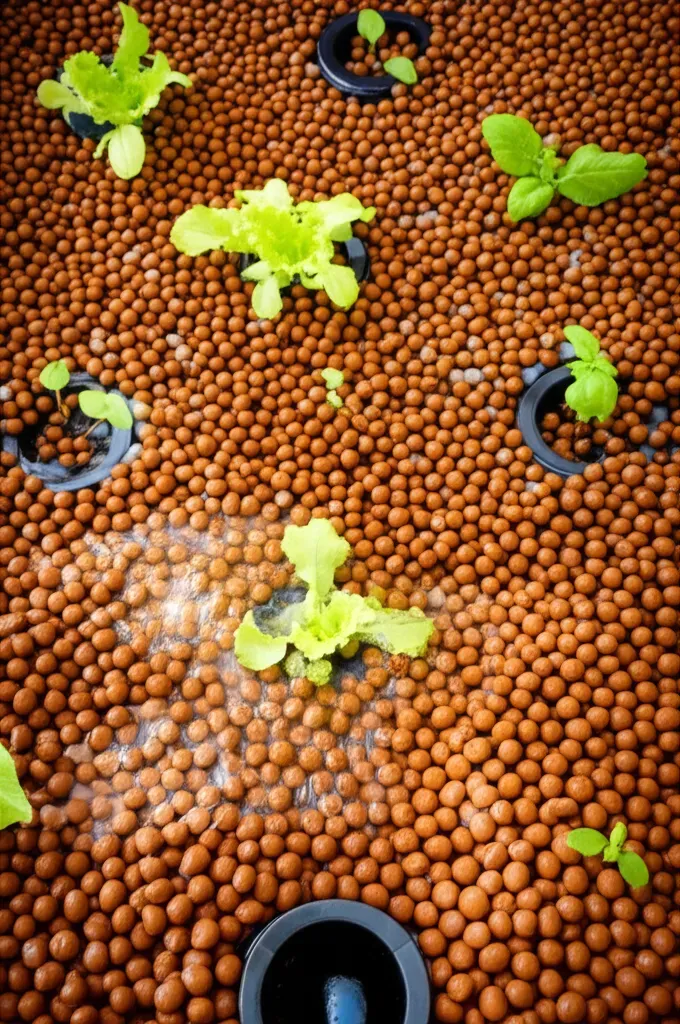
The grow bed receives nutrient-rich water and provides both plant support and bacterial habitat. In media bed systems, the gravel or expanded clay serves triple duty as mechanical filter, biological filter, and growing space (University of Hawaii). A 50-gallon fish tank pairs well with 12-15 square feet of grow bed surface area, maintaining the balance between nutrient generation and plant uptake.
Filtration happens through bacterial colonization on surfaces throughout your system. These nitrifying bacteria convert ammonia from fish waste first to nitrite, then to nitrate through a two-step process requiring oxygen and surface area (Purdue Extension). Media beds provide this surface area automatically, while other system types need dedicated biofilter components.
Water Flow Patterns and the Nitrogen Cycle Explained
Water circulates from fish tank through filtration and into grow beds, then returns cleaned to the fish. Think of it as a continuous purification loop where plants and bacteria tag-team to remove fish waste compounds.
The nitrogen cycle starts when fish excrete ammonia through gills and waste. Nitrosomonas bacteria oxidize this ammonia into nitrite, still toxic to fish. Then Nitrobacter bacteria convert nitrite into nitrate, which plants absorb as their primary nitrogen source. This process takes 4-6 weeks to establish in new systems as bacterial populations colonize available surfaces.
System balance means your bacterial population and plant mass can process nutrients as fast as fish generate them. Overstock fish or underfeed plants, and ammonia accumulates. The diagram shows you where to monitor, test water between fish tank and grow bed to catch problems early.
Pumps, Plumbing, and Aeration Systems
Your pump moves water continuously or intermittently depending on system design. Size it to circulate total system volume once per hour minimum, a 100-gallon system needs a pump rated for 100+ gallons per hour, accounting for head height and plumbing friction.
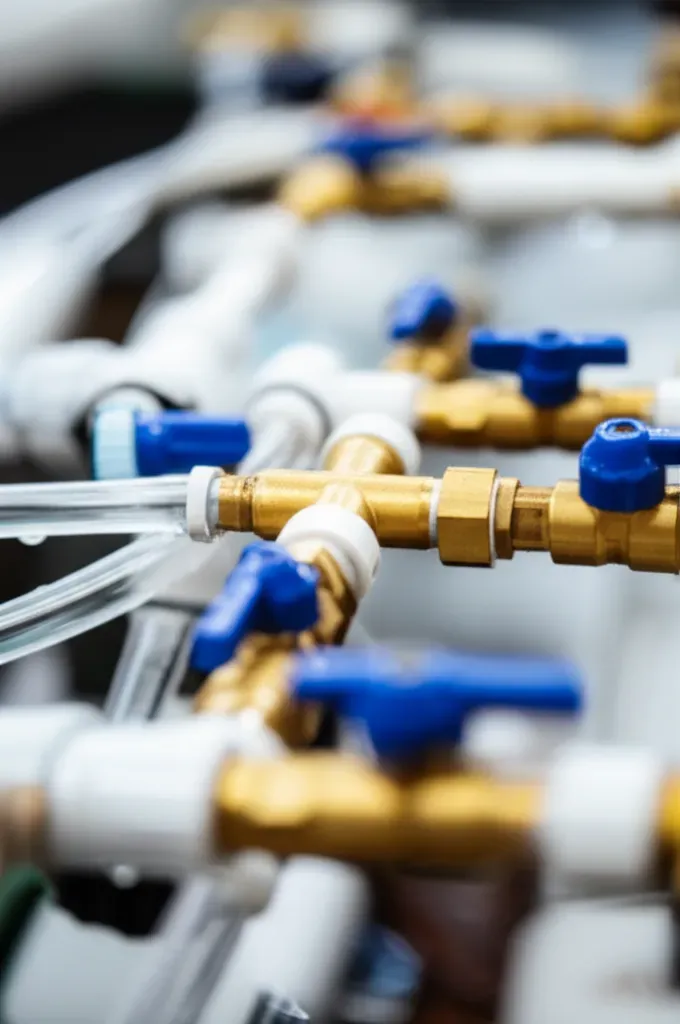
Plumbing diagrams show pipe sizing, valve placement, and connection points. Use 1-inch or larger pipes for main circulation to prevent clogs from solid waste. Include ball valves at key points so you can isolate sections for maintenance without draining everything.
Aeration keeps both fish and bacteria alive. Air stones in fish tanks maintain dissolved oxygen above 5 mg/L, while grow bed aeration happens naturally during flood-and-drain cycles. Battery backup air pumps protect your fish during power outages, they're inexpensive insurance against total system loss.
Four Main Aquaponics System Layouts Compared
System layout determines maintenance requirements, space efficiency, and how physically demanding daily operations become. Each design offers different trade-offs between simplicity, productivity, and accessibility for ongoing care.
Comparison of Four Main Aquaponics System Layouts
| System Type | Space Efficiency | Beginner-Friendly | Maintenance Level | Best For |
|---|---|---|---|---|
| Media Bed | Moderate | Yes | Low-Moderate | Beginners, small spaces |
| NFT (Nutrient Film Technique) | High | No | High | Vertical growing, space-limited |
| DWC (Deep Water Culture) | Moderate | No | Moderate | Leafy greens, herbs |
| Hybrid Systems | High | No | Moderate-High | Commercial production, scaling |
Media Bed Systems: The Beginner-Friendly Choice
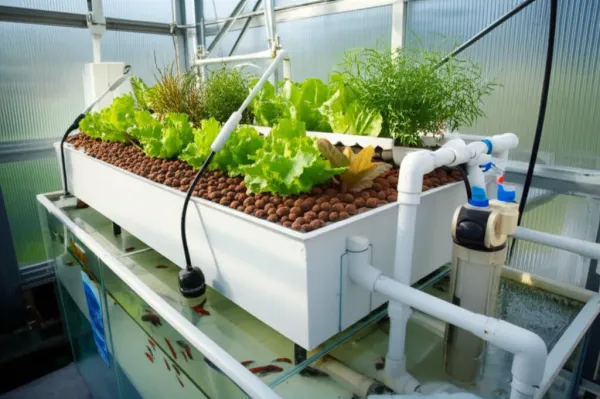
Media bed systems flood gravel-filled containers then drain completely, creating the oxygen exchange plants need while filtering water through bacterial biofilm. A timer or bell siphon automates this cycle, water rises until the siphon activates, then drains rapidly and repeats.
This design forgives beginner mistakes because the media provides massive surface area for bacterial colonization and mechanical filtration of solid waste. You can reach plants easily from above without bending into channels or managing floating rafts, well, making it the most accessible option for growers with mobility limitations.
Most backyard systems use media beds because they need no separate filtration components and support diverse crops from lettuce to tomatoes. The main drawback is weight, a 4x8 grow bed filled with media and water exceeds 2,000 pounds, requiring substantial structural support.
NFT Systems: Space-Efficient Vertical Growing
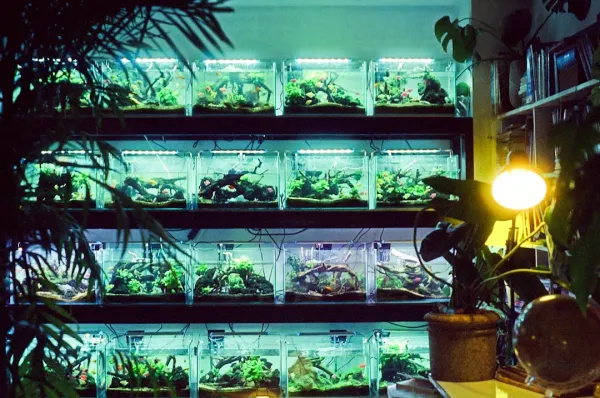
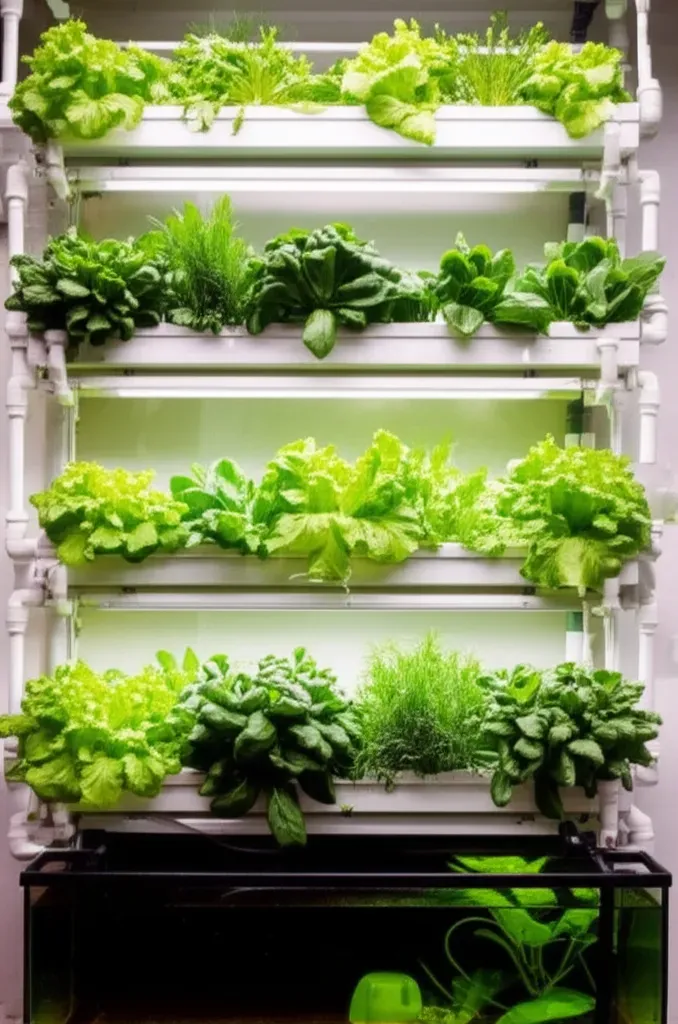
Nutrient Film Technique flows a thin water film through sloped channels where plant roots dangle into the stream. These systems stack vertically, maximizing production per square foot of floor space, ideal for enclosed areas with height but limited footprint.
NFT requires separate biofilter and solids removal since channels provide minimal bacterial surface area (University of Hawaii). You'll monitor flow rates carefully, maintaining just enough water movement to prevent root drying while avoiding flooding. Channel slope of 1:100 works for most installations.
Leafy greens thrive in NFT but fruiting plants struggle without media support. The system demands attention, pump failure means roots dry within hours, and clogs from solid waste or root intrusion cause immediate problems.
DWC and Hybrid Systems: Scaling for Production
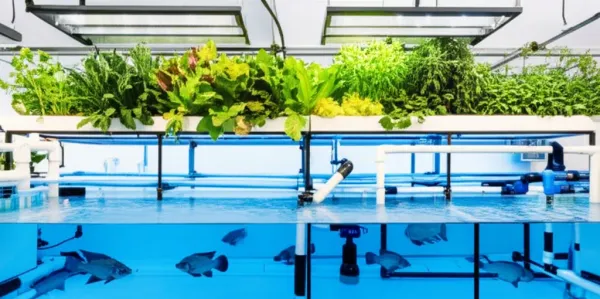
Deep Water Culture suspends plant rafts on foam boards floating in fish-water-filled troughs. Roots hang directly into aerated water while plants rest supported at the surface. Commercial operations favor DWC for its simplicity at scale and continuous harvest capability.
The University of Virgin Islands developed feeding rate ratios of 60-100 grams of fish feed per square meter of growing area daily for their raft systems. This precision matters more as systems grow, small imbalances in backyard setups cause minor fluctuations, but production-scale systems crash hard without proper ratios.
Hybrid designs combine media beds for filtration with NFT or DWC for production space. You get media bed reliability with the space efficiency of other methods, though complexity and cost increase proportionally.
Sizing and Scaling Your System Layout
Your available space, physical capabilities, and production goals determine appropriate system scale. Bigger doesn't always mean better, a well-managed small system outperforms a neglected large one, and maintenance demands increase exponentially with size.
Small Systems: Starter Setups for Limited Space
A 50-gallon fish tank paired with a single 4x2 grow bed fits on most patios or balconies, occupying roughly 15 square feet including access space. This supports 5-8 fish initially and produces 3-5 pounds of greens weekly once established. Total weight approaches 800 pounds, so verify your deck or balcony can handle the load before filling.
Component list includes the fish tank, grow bed with media, 200 GPH pump, air pump with stones, and basic plumbing. Budget $400-600 for materials if building yourself. Maintenance takes 30-45 minutes weekly, mostly feeding fish, testing water, and harvesting plants.
Honestly, small systems teach you the fundamentals without overwhelming complexity or financial risk. Research from the University of the Virgin Islands (2016) documented that small-scale aquaponics systems under 100 gallons achieved 90-95% water use efficiency compared to soil gardening, requiring only periodic top-offs to replace evaporation and transpiration losses. Their trials showed backyard systems producing 1 pound of fish and 8-10 pounds of vegetables per month per 50 gallons of fish tank volume, matching the output of a 200-square-foot traditional garden bed. The study emphasized that systems smaller than 75 gallons faced greater temperature fluctuations and required more frequent monitoring, with daily parameter checks recommended during the first 90 days of operation.
Medium Systems: Hobby-Scale Production
A 250-gallon fish tank supporting 30-40 square feet of growing space provides regular harvests for a household of 3-4 people. Expect 15-20 pounds of produce weekly from leafy greens, with lower yields from fruiting crops. This scale requires 100-200 square feet of total space including walkways and equipment access.
Fish stocking density reaches 30-40 pounds at maturity in a 250-gallon tank, following the guideline of 60-100 grams of feed per square meter of growing area (University of Virgin Islands). You'll spend 2-3 hours weekly on maintenance tasks, feeding, testing, harvesting, and occasional system adjustments.
Medium systems justify automation investments like automatic fish feeders and backup power for pumps. The infrastructure costs $1,500-3,000 but delivers meaningful food production and resilience against single-point failures.
Location Considerations: Indoor, Outdoor, and Greenhouse Layouts
Outdoor systems need weather protection for fish tanks and shade cloth over grow beds in hot climates. Locate near water sources and electrical outlets, running extension cords across yards creates trip hazards and voltage drops. Indoor setups require grow lights adding $200-500 to startup costs plus ongoing electricity consumption. Ventilation prevents humidity problems that damage structures and encourage pests.
Greenhouses offer the best of both worlds, natural light with climate control and year-round access. Insulation and heating extend growing seasons in cold regions. Just ensure the structure handles humidity and provides adequate ventilation to prevent overheating in summer months.
Common Layout Mistakes and Design Best Practices
Poor layout decisions create maintenance burdens that turn aquaponics from enjoyable to exhausting. Most problems stem from ignoring physical access needs, underestimating component weights, or placing elements where monitoring becomes difficult.
Accessibility and Ergonomic Design Principles
Position grow beds at 30-36 inches high so you can tend plants without excessive bending or reaching. This height works whether you're standing or using a garden stool. Leave 3-4 feet of clearance on at least two sides for comfortable access, cramped layouts force awkward positions that strain backs and knees during routine tasks.
Place frequently accessed components like fish feeding points and water test locations within easy reach of your main path. I've seen growers abandon systems because daily tasks required navigating obstacle courses or climbing over equipment. Thoughtful layout keeps aquaponics sustainable long-term.
Install shut-off valves at key points so you can isolate sections without full system drains. This simple addition means fixing a leaky fitting takes minutes instead of hours spent moving fish and draining tanks.
Critical Design Checklist Before You Build
Verify structural support handles total system weight including water, media, and components, calculate conservatively at 10 pounds per gallon for water plus media weight. Confirm electrical circuits provide adequate amperage for pumps, heaters, and lights without overloading. Test your water source for chlorine, chloramine, and pH before filling tanks.
Plan for system expansion by oversizing plumbing slightly and leaving space for additional grow beds. Include redundancy for critical components, backup air pumps prevent fish loss during power outages, and spare pump parts mean quick repairs when failures happen at midnight.
Document your layout with measurements and photos before you build. This reference helps troubleshooting later and guides modifications as you learn what works for your specific situation. "The number one mistake I see in system design is underestimating the weight load—water is heavy, and when you add gravel media, a four-foot grow bed can easily exceed 400 pounds," says Dr. Wilson Lennard, aquaponics researcher and Director of Aquaponics Solutions, who has consulted on commercial system installations across three continents.
Start with a detailed diagram that shows every component, connection, and access point. Test your design by walking through daily and weekly maintenance tasks on paper, identifying potential problems before they're built into your system. Well, the time spent planning prevents expensive rebuilds and creates an aquaponics layout you'll actually enjoy maintaining for years.
Related Articles
- Types of Aquaponics Systems: Design Methods & Best Practices
- Aquaponics System Design: Planning Your Perfect Setup
- Aquaponics System Components: Essential Parts Explained
- How Does an Aquaponics System Work? The Complete Cycle Explained
- DIY Aquaponics Systems: Complete Build Guide for Beginners
- Aquaponics System Design: Components, Planning & Implementation
Frequently Asked Questions
How long does it take for an aquaponics system to become fully operational?
The nitrogen cycle typically takes 4-6 weeks to establish in new systems as nitrifying bacteria colonize available surfaces. During this startup period, ammonia and nitrite levels fluctuate, so you should monitor water chemistry closely and avoid stocking fish at full capacity until bacterial populations stabilize.
What's the correct ratio of fish tank size to grow bed area?
A general guideline is pairing a 50-gallon fish tank with 12-15 square feet of grow bed surface area. For starter systems, use 20-30 gallon tanks with 6-8 sq ft of grow bed, and scale up to 100+ gallon tanks with 30+ sq ft for production systems. This balance ensures adequate nutrient generation matches plant uptake capacity.
Which aquaponics system layout is best for beginners?
Media bed systems are the most beginner-friendly option because the gravel or expanded clay serves triple duty as mechanical filter, biological filter, and growing medium. This simplifies design and provides abundant surface area for beneficial bacteria without requiring dedicated biofilter components.
What's the most common mistake when setting up an aquaponics system diagram?
Misplacing plumbing connections is the most costly mistake—one wrong connection can flood your space within hours. Always trace every arrow on the diagram with your finger while standing in front of actual components, matching each illustrated connection to physical ports before turning on any pump.
How much fish can I stock in my aquaponics system?
Stocking density depends on tank size: a 20-30 gallon starter system supports 4-6 lbs of fish, a 50-gallon hobby system supports 10-15 lbs, and a 100+ gallon production system supports 25+ lbs. Start with fewer fish than maximum capacity during the first 4-6 weeks while the nitrogen cycle establishes.
What water flow rate (GPH) do I need for my system?
Pump capacity should match system size: small starter systems need 20-30 GPH, medium hobby systems need 50+ GPH, and large production systems need 100+ GPH. The pump must move water through the entire cycle while allowing adequate contact time for bacterial filtration and plant nutrient absorption.
Can I use an aquaponics system indoors, outdoors, or in a greenhouse?
Yes, aquaponics systems work in all three environments. Location choice depends on your space availability, climate control needs, and production goals. Indoor systems require grow lights and climate control; outdoor systems depend on natural sunlight and seasonal temperature fluctuations; greenhouses offer a middle ground with environmental protection and natural light.
What role do nitrifying bacteria play in aquaponics?
Nitrifying bacteria convert toxic fish waste into plant nutrients through a two-step process: Nitrosomonas bacteria oxidize ammonia into nitrite, then Nitrobacter bacteria convert nitrite into nitrate that plants absorb. This biological filtration requires oxygen and surface area, which is why media beds and biofilter components are essential system elements.