Growing Vegetables in Aquaponics: What Works Best & How
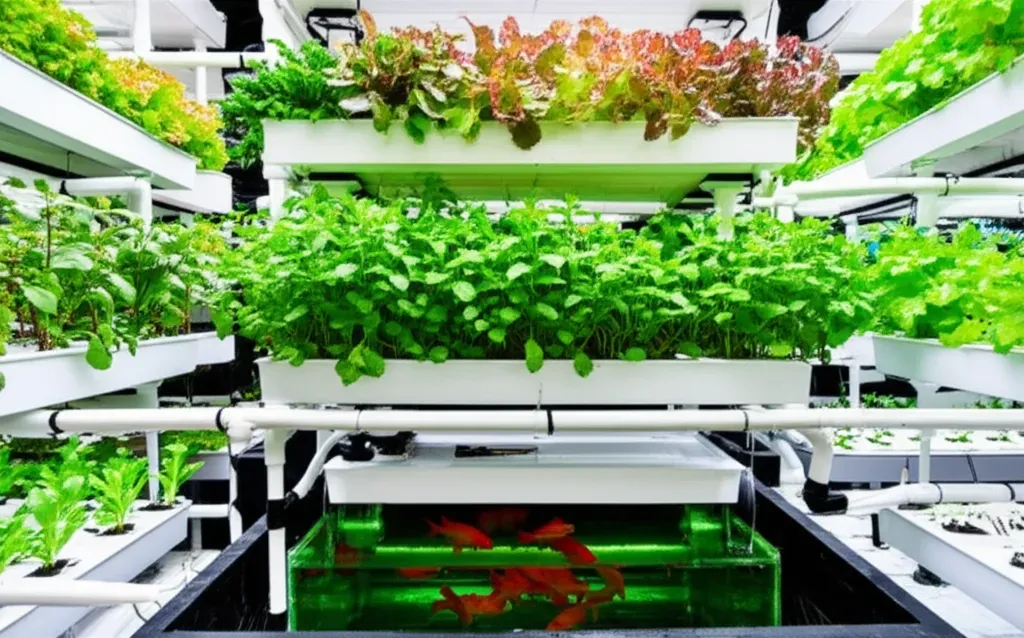
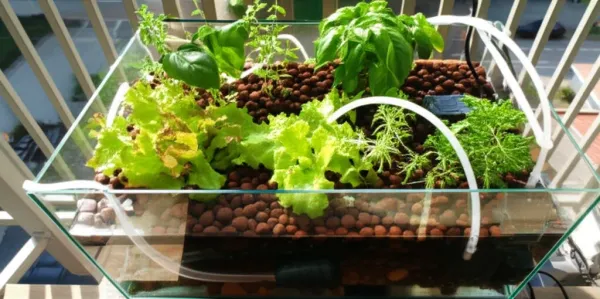
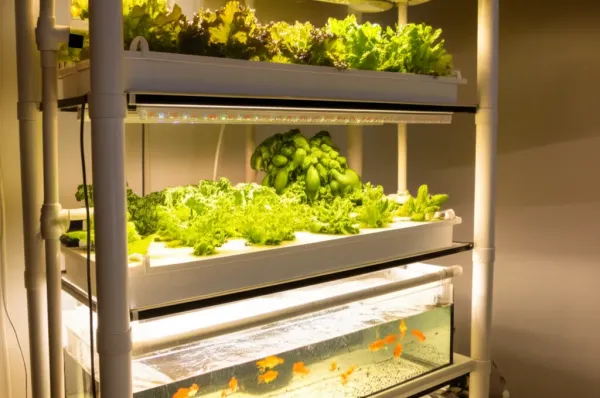
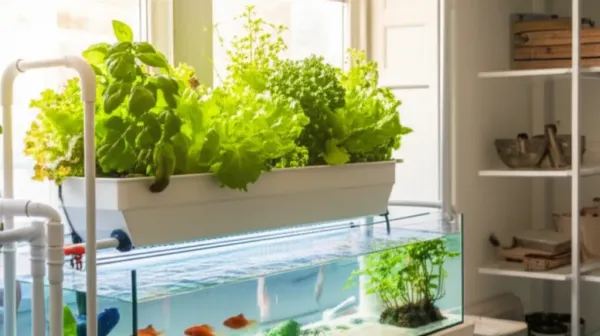
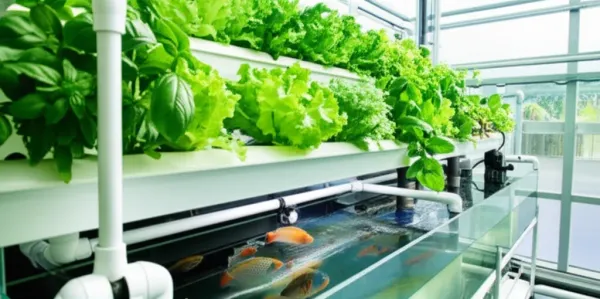
Growing vegetables in aquaponics works best with leafy greens like lettuce and herbs for beginners, then tomatoes and peppers as you gain experience, the fish waste provides continuous nutrients while the plants filter the water, creating a self-sustaining cycle that produces faster growth than soil gardening.
Table of Contents
- Understanding What Makes Vegetables Thrive in Aquaponics Systems
- How Aquaponics Differs from Traditional Vegetable Gardening
- Key Factors That Determine Vegetable Success
- The Role of Fish in Your Vegetable Production
- Best Vegetables for Aquaponics: A Tiered Approach for Beginners
- Tier 1: Best Starter Vegetables (Easiest and Fastest)
- Tier 2: Intermediate Vegetables (More Rewarding)
- Tier 3: Advanced Options (For Experienced Growers)
- How to Start Growing Vegetables in Your Aquaponics System
- Preparing Your System Before Planting
- Planting Methods: Seeds vs. Seedlings
- Proper Spacing and Plant Placement Strategies
- Ongoing Care and Maintenance for Healthy Vegetable Growth
- Daily and Weekly Monitoring Tasks
- Identifying and Solving Common Growing Problems
- Seasonal Adjustments for Consistent Production
- Planning Your Year-Round Vegetable Production
- Creating a Planting Calendar That Matches Your System
- Maximizing Yields in Limited Space
- Scaling Your Garden as You Gain Experience
This closed-loop system eliminates the physical strain of traditional gardening while delivering cleaner harvests and predictable yields. Once you understand which vegetables match your system's nutrient capacity and how to time your plantings, you'll harvest fresh produce year-round without the guesswork of soil amendments or fertilizer schedules.
Understanding What Makes Vegetables Thrive in Aquaponics Systems
Your aquaponics system creates growing conditions that differ fundamentally from soil gardening, and vegetables that thrive in this environment share specific characteristics. The nitrogen cycle converts fish waste into plant-available nutrients through beneficial bacteria, a process called nitrification that happens continuously in your grow bed and biofilter.
This constant nutrient delivery means vegetables receive a steady food supply rather than the feast-or-famine pattern of traditional fertilizing. The fish waste provides an organic food source for the plants, and the plants naturally filter the water for the fish (USDA National Agricultural Library), creating a symbiotic relationship where each component supports the others.
How Aquaponics Differs from Traditional Vegetable Gardening
Traditional soil gardening requires lifting heavy bags of amendments, kneeling to weed, and managing chemical fertilizers that can burn plants if misapplied. Aquaponics eliminates these physical demands entirely, you're working at waist or chest height with clean water and grow media that never needs replacing.
The closed-loop system recirculates water continuously, which means you're adding water to replace evaporation rather than watering individual plants. No soil means no weeds competing for nutrients, no soil-borne diseases, and no muddy cleanup after harvest.
Plants in aquaponic systems typically grow 25-30% faster than in soil (Texas A&M AgriLife Extension) because nutrients are immediately available in dissolved form. Roots don't expend energy searching through soil, they're constantly bathed in nutrient-rich water that delivers exactly what they need for photosynthesis and growth.
Key Factors That Determine Vegetable Success
The optimum pH range for aquaponic systems is between 6.8 and 7.2 (University of Arkansas Extension), a compromise that balances fish health, plant nutrient uptake, and bacterial efficiency. This narrow range means you can't grow acid-loving blueberries or alkaline-preferring asparagus successfully.
Vegetables with fibrous root systems adapt better to grow media than those with deep taproots. Lettuce, herbs, and tomatoes develop extensive feeder roots that maximize contact with water flow, while carrots and parsnips struggle in the shallow environment most systems provide.
Your success checklist includes these decision points:
- Nutrient demand: leafy greens thrive on lower fish waste output than fruiting plants
- Growth cycle: 30-45 day crops let you harvest before water chemistry drifts
- Space requirements: compact varieties prevent overcrowding that restricts water flow
- Support needs: vining plants require trellising that doesn't block light to lower levels
The Role of Fish in Your Vegetable Production
Your fish aren't just pets, they're nutrient generators whose feeding rate directly determines how many plants you can support. The general ratio starts at one pound of fish for every five to seven gallons of water, but your vegetable load adjusts this baseline up or down.
Heavy feeders like tomatoes and peppers demand more fish waste than lettuce or herbs. If your priority is maximizing tomato production, you'll stock more fish and feed them more frequently; if you're optimizing for low-maintenance herbs, fewer fish reduce both feeding labor and system monitoring.
Fish type affects nutrient composition slightly, tilapia produce waste higher in certain minerals than goldfish, but the difference matters more for commercial operations than backyard systems. Well, what really matters is maintaining consistent feeding schedules so your bacteria population stays sized correctly for the waste load you're generating.
Best Vegetables for Aquaponics: A Tiered Approach for Beginners
Starting with vegetables that tolerate beginner mistakes builds your confidence while your system stabilizes. These tiers reflect both growing difficulty and the nutrient density your fish population needs to support each plant category, moving from forgiving leafy greens to demanding fruiting crops.
Vegetable Suitability for Aquaponics by Growth Characteristics
| Vegetable Type | Root System | Nutrient Demand | Growth Cycle | Best For |
|---|---|---|---|---|
| Lettuce & Leafy Greens | Fibrous (shallow) | Low | 30-45 days | Beginners, quick harvests |
| Herbs (Basil, Cilantro) | Fibrous (shallow) | Low | 30-45 days | Low-maintenance systems |
| Tomatoes | Fibrous (extensive) | High | 60-90 days | Experienced growers, more fish |
| Peppers | Fibrous (extensive) | High | 60-90 days | Experienced growers, more fish |
| Carrots & Parsnips | Deep taproot | Medium | 60-80 days | Not recommended for most systems |
| Blueberries | Acid-loving | Specialized pH | Long-term | Not suitable (pH incompatible) |
| Asparagus | Deep perennial | Alkaline-preferring | Multi-year | Not suitable (pH incompatible) |
Tier 1: Best Starter Vegetables (Easiest and Fastest)
Lettuce grows very well in aquaponics and can be harvested in 4 to 6 weeks (Penn State Extension), making it the perfect first crop for validating your system works. Butterhead, romaine, and loose-leaf lettuce varieties perform well in aquaponic systems (University of Hawaii), with butterhead types like Buttercrunch offering the most forgiving growth habit.
Lettuce should be spaced 6 to 8 inches apart in aquaponic grow beds (University of Hawaii) to allow adequate water circulation around each plant. You can harvest outer leaves continuously once plants reach 4 inches tall, extending production for weeks before the plant bolts in warm weather.
Leafy greens such as lettuce, kale, and chard as well as herbs such as basil are ideal crops for aquaponics (University of Arkansas Extension). Spinach matures in 35-45 days, kale in 50-65 days, and Swiss chard produces for months with regular leaf harvesting.
Herbs deliver the quickest wins for building enthusiasm. Basil reaches harvestable size in 30 days, cilantro in 40 days, and parsley in 45 days. These compact plants fit between larger vegetables and tolerate partial shade, making them excellent gap-fillers in your grow bed layout.
I still remember harvesting my first basil crop in week five—the smell hit me before I even touched the leaves, that intense sweet-spicy aroma that supermarket basil never has. By week six I was making pesto every Sunday and giving jars to neighbors, which created just enough positive momentum to keep me troubleshooting when my pH crashed two weeks later. That early abundance from such a forgiving plant taught me why experienced growers always tell beginners to start with herbs: you need those quick wins to stay committed when the learning curve steepens.
Tier 2: Intermediate Vegetables (More Rewarding)
Fruiting plants such as tomatoes, peppers, and cucumbers require higher nutrient levels and longer growing periods (Penn State Extension), typically 60-90 days from transplant to first harvest. Your system needs at least three months of stable operation before introducing these heavier feeders.
Determinate tomato varieties work best because they stay compact and produce fruit in concentrated flushes rather than sprawling indefinitely. Cherry and grape tomato types like 'Sweet 100' or 'Sungold' yield heavily in the confined space of grow beds, while full-size slicers demand more support structure and pruning attention.
Peppers adapt well once established, though they're slower to fruit than tomatoes. Bell peppers need 70-80 days, while hot peppers like jalapeños mature in 60-70 days. Both require sturdy cages or stakes positioned to avoid shading lower plants as they reach 24-30 inches tall.
Cucumbers produce abundantly but need vertical trellising from day one, their vining habit can overtake a grow bed in weeks if left unchecked. Bush cucumber varieties like 'Spacemaster' stay more manageable while still delivering consistent yields throughout the growing season.
Tier 3: Advanced Options (For Experienced Growers)
Cauliflower, broccoli, and other brassicas demand cool water temperatures (60-65°F) and extended growing periods of 70-100 days, making them challenging in systems where fish prefer warmer conditions. These crops work best as fall plantings when naturally cooling weather aligns everyone's temperature preferences.
Squash and melon varieties produce in aquaponics but consume enormous space for modest yields. A single zucchini plant can occupy 4-6 square feet of grow bed while its large leaves block light to everything below, honestly, most backyard growers get better return on effort from compact producers.
How to Start Growing Vegetables in Your Aquaponics System
Before your first seed touches grow media, your system needs a functional nitrogen cycle converting fish waste into plant-available nutrients. Rushing this establishment phase is the most common mistake that leads to both fish losses and plant failures in the first 90 days.
Preparing Your System Before Planting
The cycling process typically takes 4 to 6 weeks to establish the beneficial bacteria needed to convert fish waste into plant nutrients (Penn State Extension). You'll start by adding a small number of hardy fish or using pure ammonia to feed the bacteria colony as it develops in your biofilter and grow media.
Test your water every 2-3 days during cycling, watching for ammonia to spike first, then nitrite levels to rise and fall as different bacterial species establish. Your system is ready for full planting when ammonia and nitrite both read zero while nitrate accumulates steadily, indicating the complete conversion chain is functioning.
Look for these specific numbers before adding vegetables: ammonia below 0.5 ppm, nitrite at 0 ppm, nitrate between 20-40 ppm, and pH stable in the 6.8-7.2 range for three consecutive days. Patience during this phase prevents the frustration of watching plants yellow from ammonia toxicity or nitrogen deficiency.
Planting Methods: Seeds vs. Seedlings
Starting from seed directly in grow media costs less but adds 2-3 weeks to your harvest timeline and requires managing germination moisture without disrupting water flow. Transplanting established seedlings eliminates germination variables and gets you to harvest faster, particularly valuable when you're still learning to read your system's signals.
Seedlings from a nursery cost $2-4 per plant versus $0.10-0.30 per seed, but the success rate difference often justifies the expense for first-timers. You're buying plants with established root systems that adapt quickly to your grow bed rather than gambling on whether seeds will germinate in media that's wetter than traditional starting mix.
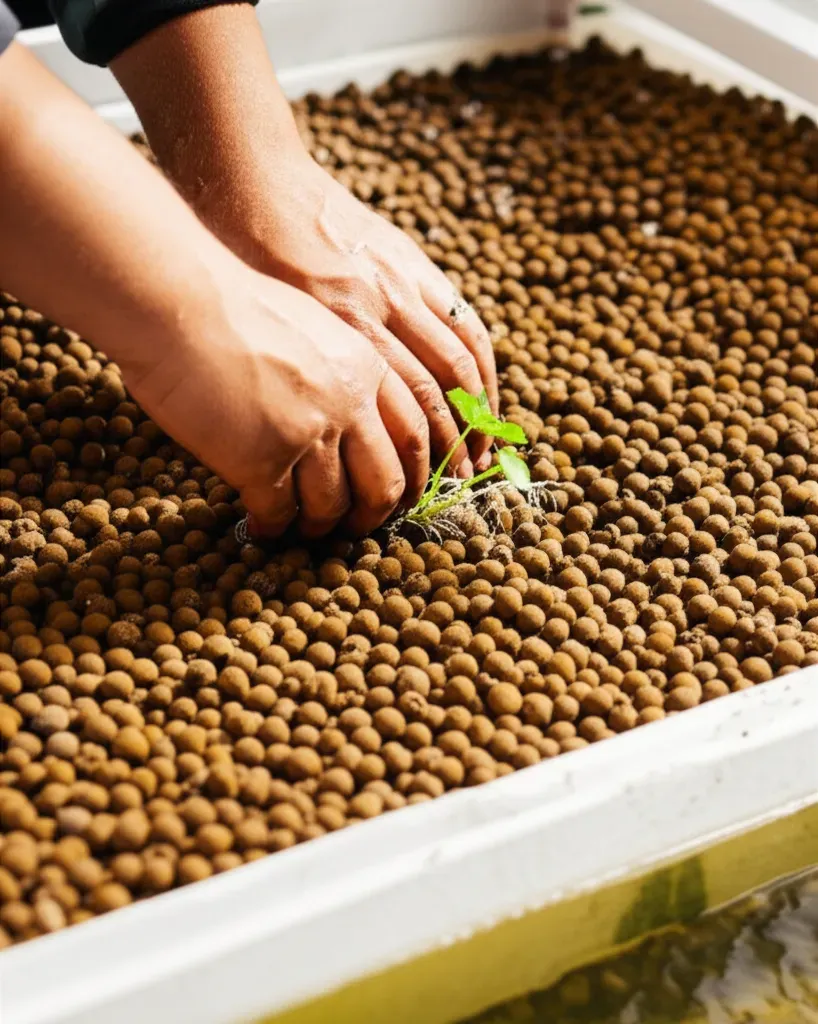
If you choose seedlings, rinse all soil from roots before planting to prevent introducing soil pathogens and organic matter that can clog your system. Gently spread the roots in your planting hole and surround them with grow media, ensuring the crown sits at the same depth it was growing in the nursery pot.
Proper Spacing and Plant Placement Strategies
Optimal water temperature for lettuce production is 68 to 75°F (University of Hawaii), which means positioning heat-sensitive crops where water enters the grow bed at its coolest point. Arrange your bed with tall plants like tomatoes on the north or back edge where they won't shade shorter crops throughout the day.
Space leafy greens at their mature spread diameter to allow water to flow around all sides of each plant, trapped moisture between crowded leaves invites fungal problems even in aquaponics. Herbs can tolerate slightly tighter spacing since you're harvesting them continuously before they reach full size.
Succession planting means adding new lettuce seedlings every 2-3 weeks rather than planting your entire bed at once. This strategy delivers continuous harvest instead of a glut followed by empty space, and it spreads your monitoring attention across plants at different growth stages rather than managing fifty identical heads simultaneously.
Research from the University of the Virgin Islands aquaponics program found that lettuce yields increased by 23% when plants were spaced at 8-inch centers compared to 6-inch spacing, primarily because improved air circulation reduced tip burn and fungal pressure. The same study tracked labor efficiency and discovered that growers spent 35% less time on disease management and leaf trimming when they maintained proper spacing from transplant through harvest. I've seen beginners pack their first raft system thinking more plants equals more food, only to lose entire sections to pythium root rot that spreads rapidly through touching root masses—your harvest records will quickly reveal that fewer, healthier plants consistently outproduce crowded beds.
Aquaponics vs. Traditional Soil Gardening Comparison
| Growing Factor | Aquaponics | Traditional Soil Gardening |
|---|---|---|
| Growth Speed | 25-30% faster | Standard baseline |
| Physical Demands | Waist/chest height work, minimal strain | Kneeling, heavy lifting, bending |
| Nutrient Delivery | Continuous, dissolved form | Feast-or-famine with fertilizer applications |
| Weeding Required | None (no soil) | Regular weeding necessary |
| Soil-borne Diseases | Eliminated | Common problem |
| Water Management | Recirculated, replace only evaporation | Individual plant watering required |
| Nutrient Source | Organic fish waste | Chemical or organic amendments |
| Root Energy Expenditure | Minimal (nutrients delivered) | Significant (searching through soil) |
Ongoing Care and Maintenance for Healthy Vegetable Growth
Your daily interaction with the system takes 5-10 minutes of observation rather than active intervention. Most problems announce themselves through visible changes in plant appearance or fish behavior, catching issues early means simple corrections instead of emergency rescues.
Daily and Weekly Monitoring Tasks
Each morning, observe your fish during feeding to confirm they're active and eating normally, lethargic fish or reduced appetite signals water quality problems before your test kit confirms them. Check that water is flowing through all grow bed zones and your pump is running quietly without unusual vibration.
Look at plant leaf color and growth rate compared to yesterday. Dark green leaves with vigorous new growth indicate adequate nutrition, while pale yellow-green suggests nitrogen deficiency or pH drift affecting nutrient uptake. Wilting despite wet media points to root problems or water temperature stress.
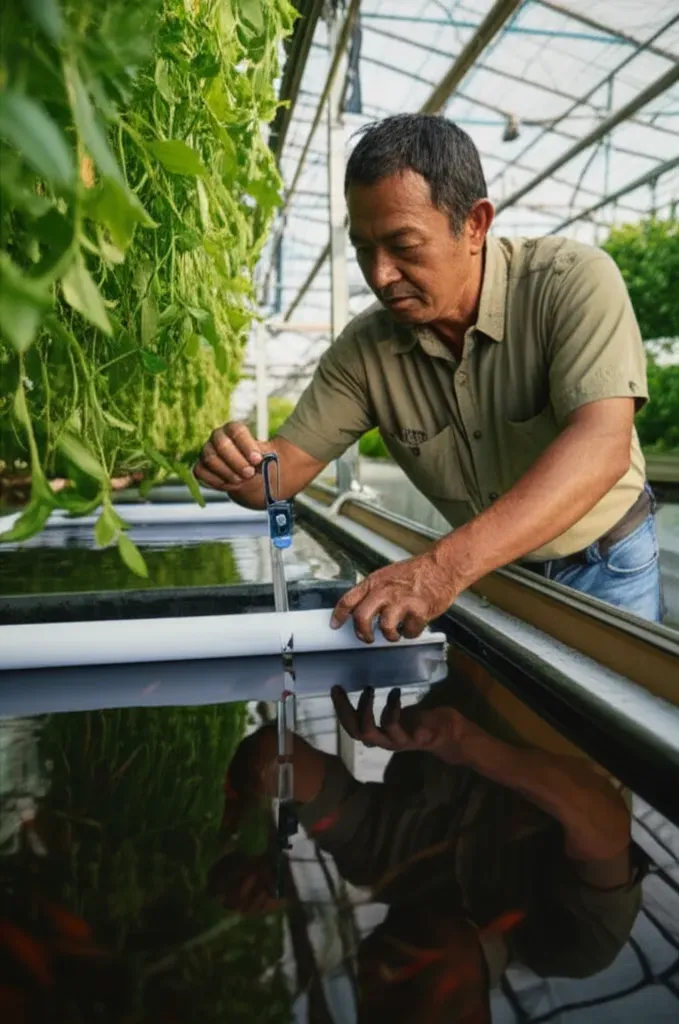
Weekly tasks include testing pH, ammonia, nitrite, and nitrate levels, a 10-minute process that catches chemistry drift before it damages plants or fish. Top off evaporated water to maintain consistent volume, most systems lose 1-3% daily depending on temperature and humidity.
Identifying and Solving Common Growing Problems
Yellow lower leaves while upper growth stays green typically means nitrogen deficiency, increase fish feeding by 10-15% and retest nitrate levels in three days. If nitrate reads adequate but yellowing continues, check pH, levels above 7.5 lock out iron and other micronutrients even when they're present.
Stunted growth with dark leaves suggests pH has dropped below 6.5, making nutrients less available despite adequate fish waste production. Add small amounts of calcium carbonate or potassium carbonate to raise pH gradually, never more than 0.2 units per day to avoid shocking your fish and bacteria.
Holes in leaves point to pest pressure rather than nutrient issues. Aphids cluster on new growth, caterpillars leave ragged edges, and spider mites create stippled yellowing. Remove pests by hand or use organic insecticidal soap, avoiding any products toxic to fish or beneficial bacteria.
Seasonal Adjustments for Consistent Production
Summer heat above 80°F slows cool-season crops like lettuce while accelerating tomato growth, shift your planting ratio toward heat-tolerant varieties during these months. Shade cloth over grow beds reduces water temperature by 5-10 degrees when ambient conditions push your system above optimal range.
Winter production in unheated systems means focusing on cold-hardy greens like kale, spinach, and Asian greens that tolerate water temperatures down to 50°F. Your fish will eat less in cold water, reducing nutrient input just as plant growth naturally slows, the system stays balanced if you match crop selection to seasonal capacity.
Planning Your Year-Round Vegetable Production
Strategic crop rotation and succession planting transform your system from a summer hobby into a twelve-month food source. The key is matching your planting schedule to both harvest goals and your system's nutrient capacity as it fluctuates with fish activity and water temperature.
Creating a Planting Calendar That Matches Your System
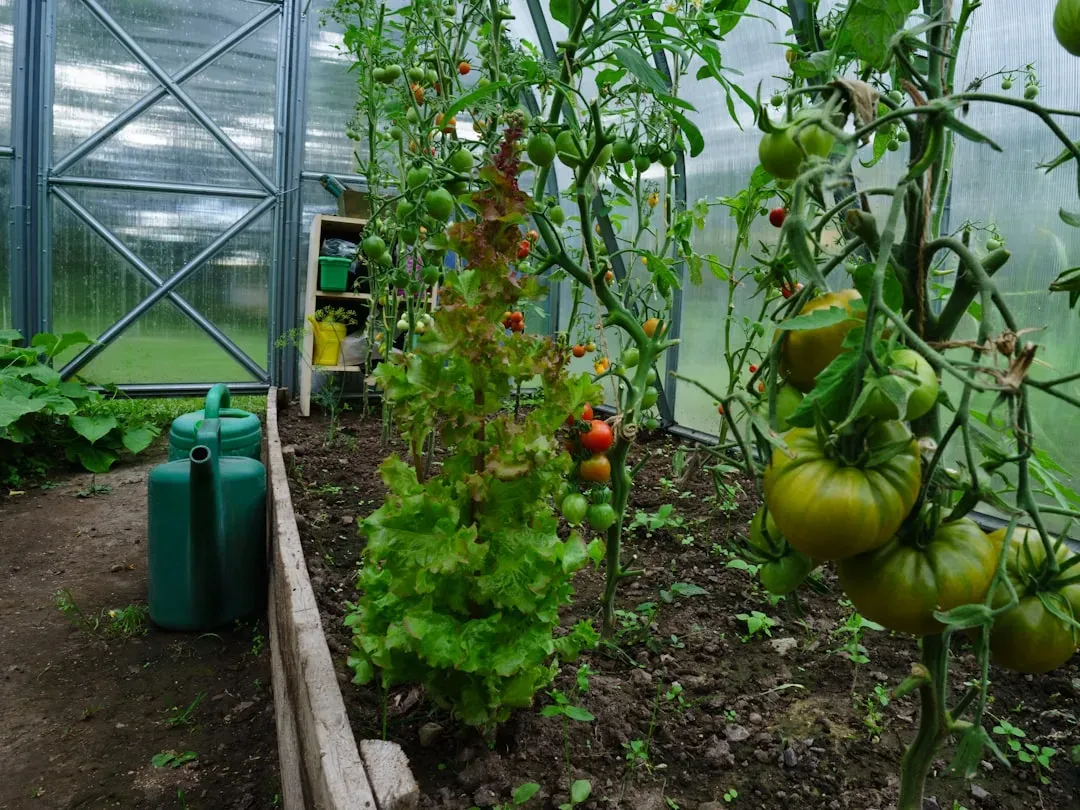
Map your grow bed into zones based on light exposure, water flow rate, and accessibility for harvest. Reserve your prime real estate (full sun, strong flow, easy reach) for high-value crops like tomatoes and peppers that will occupy space for 90+ days.
Plant fast-turnover greens in 2-week intervals rather than all at once, this staggers your harvest so you're picking fresh lettuce continuously instead of racing to eat fifty heads before they bolt. A simple calendar notation system tracks when each zone was planted and projects harvest dates for planning your next succession.
Maximizing Yields in Limited Space
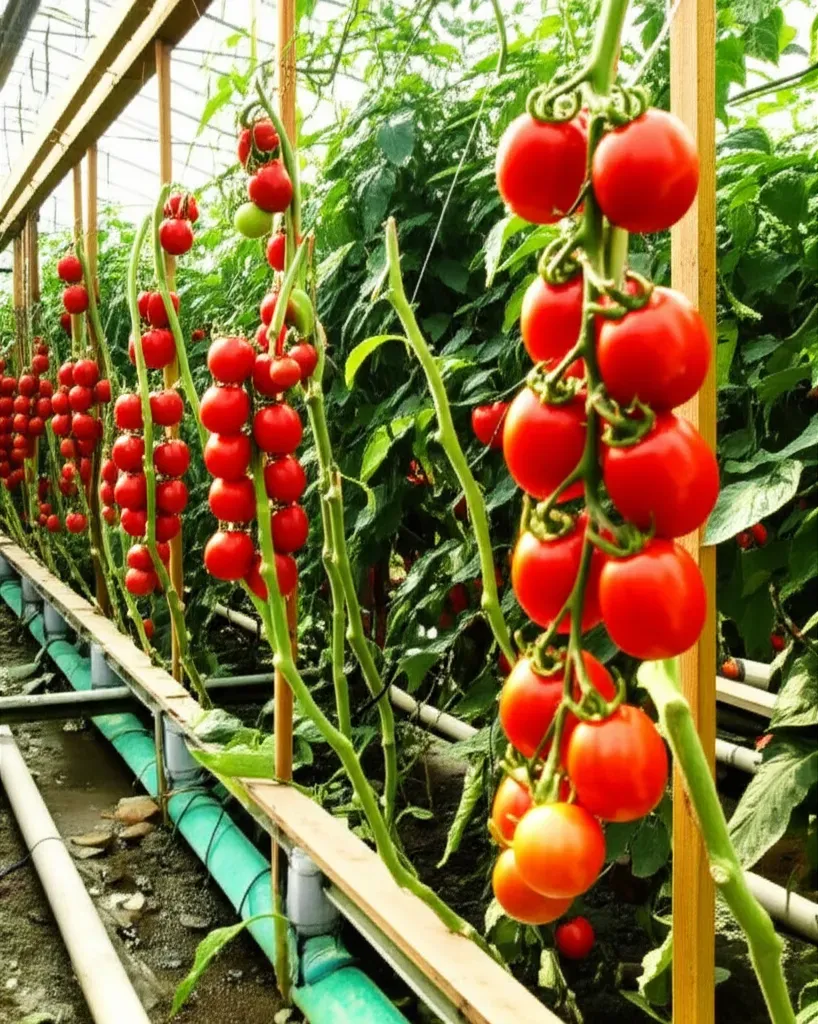
Vertical growing using trellises and cages multiplies your productive area without expanding your system footprint. Train cucumbers, peas, and indeterminate tomatoes upward on sturdy supports that won't shade neighboring plants as they climb.
Interplanting fast and slow crops in the same zone means your lettuce harvests before your pepper plant needs the space, essentially getting two crops from one footprint. Plant quick-maturing radishes or herbs around the base of slower tomatoes to capture unused space during the establishment phase.
Cut-and-come-again harvesting extends production from leafy greens and herbs by weeks or months. Remove outer leaves while leaving the growing crown intact, the plant continues producing new growth rather than bolting immediately after a single harvest.
Scaling Your Garden as You Gain Experience
Your first season teaches you which vegetables your household actually consumes and which grow best in your specific conditions. Use this data to refine your plant selection before expanding, growing more of what works beats adding system capacity for crops that underperform.
Track your harvest weights and planting dates to calculate actual yields per square foot, this quantitative approach reveals which varieties deliver the best return on your time and system resources. After three seasons you'll have enough data to forecast annual production and plan your grocery budget accordingly.
"The most successful aquaponics operators I've worked with all followed the same pattern: they started with a single grow bed, ran it for at least six months, and only then considered expansion," says Dr. Nate Storey, Chief Science Officer at Plenty Unlimited and aquaponics researcher. "That initial period gives you irreplaceable knowledge about your water chemistry, fish behavior, and which crops actually thrive in your specific environment."
Start with lettuce and herbs to build your confidence in the fundamentals, then graduate to tomatoes and peppers as your system matures. This measured approach prevents the overwhelm that causes many beginners to abandon aquaponics after one disappointing season, your success comes from matching your ambitions to your current skill level while planning your next challenge.
Related Articles
- Complete Guide to Aquaponics Systems: How They Work & Getting Started
- How Does an Aquaponics System Work? The Complete Cycle Explained
- Best Fish for Aquaponics Systems: Complete Species Guide
- Aquaponics System Design: Planning Your Perfect Setup
- Aquaponics Systems for Beginners: Easy Start Guide
- DIY Aquaponics Systems: Complete Build Guide for Beginners
Frequently Asked Questions
How long should I wait before planting in a new aquaponics system?
You should allow your system to cycle for 4-6 weeks before planting anything. This gives beneficial bacteria time to establish and convert fish waste into plant-available nutrients through the nitrogen cycle. Planting too early will result in nutrient deficiencies and stunted plant growth.
What's the ideal pH level for an aquaponics vegetable garden?
The optimal pH range is between 6.8 and 7.2, which balances fish health, plant nutrient uptake, and bacterial efficiency. This narrow range means you cannot successfully grow acid-loving plants like blueberries or alkaline-preferring plants like asparagus in aquaponics.
Which vegetables should beginners start with in aquaponics?
Beginners should start with Tier 1 vegetables like leafy greens (lettuce) and herbs, which are the easiest and fastest to grow. Once you gain experience, you can progress to Tier 2 crops like tomatoes and peppers, which require more nutrient capacity.
How much faster do vegetables grow in aquaponics compared to soil gardening?
Vegetables in aquaponic systems typically grow 25-30% faster than in soil because nutrients are immediately available in dissolved form. Roots don't expend energy searching through soil—they're constantly bathed in nutrient-rich water.
What types of root systems work best in aquaponics?
Vegetables with fibrous root systems adapt better to aquaponic grow media than those with deep taproots. Lettuce, herbs, and tomatoes develop extensive feeder roots that maximize contact with water flow, while carrots and parsnips struggle in the shallow environment most systems provide.
Do I need to replace the grow media in an aquaponics system?
No, the grow media never needs replacing. Unlike soil gardening, aquaponics eliminates the need for physical amendments or soil replacement, reducing maintenance and ongoing costs.
Can I grow vegetables year-round in an aquaponics system?
Yes, aquaponics allows you to harvest fresh produce year-round without the guesswork of soil amendments or fertilizer schedules. By creating a planting calendar that matches your system's capacity and timing plantings strategically, you can maintain consistent production.
Why are leafy greens better for beginners than fruiting plants?
Leafy greens thrive on lower fish waste output than fruiting plants like tomatoes and peppers, making them ideal for systems still establishing stable nutrient levels. They also have shorter growth cycles (30-45 days), allowing you to harvest before water chemistry drifts.