Aquaponics vs Hydroponics: Key Differences & Which to Choose
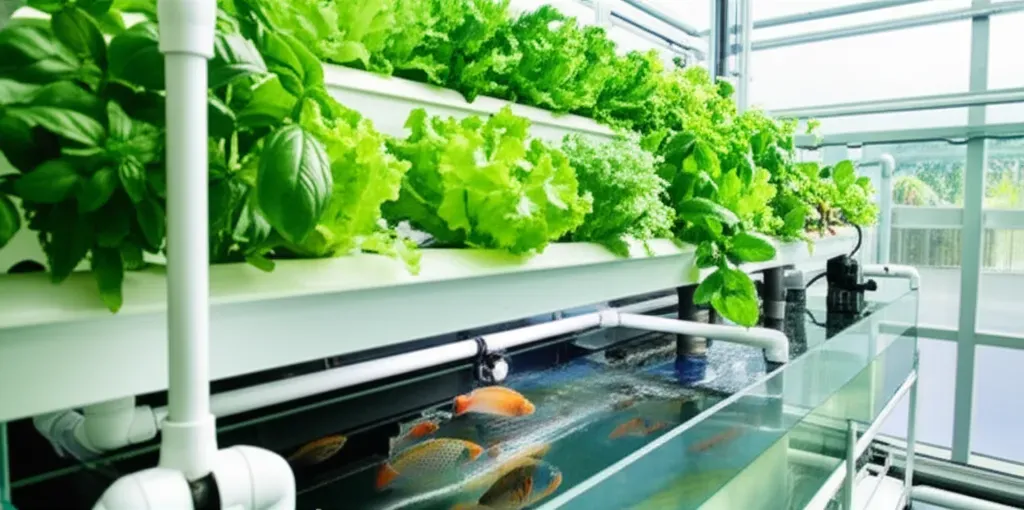
Aquaponics combines fish farming with plant cultivation in a closed biological loop, while hydroponics grows plants in nutrient-enriched water without fish or soil. The fundamental difference: aquaponics relies on living bacteria to convert fish waste into plant nutrients, making it biology-based, whereas hydroponics delivers chemically formulated nutrients directly to roots, making it chemistry-based. This distinction affects everything from startup costs to daily maintenance, crop selection to problem recovery.
Table of Contents
- Understanding the Core Systems: How Aquaponics and Hydroponics Actually Work
- How Hydroponics Delivers Nutrients to Plants
- How Aquaponics Creates a Living Ecosystem
- The Fundamental Difference That Drives Everything Else
- Startup Costs and Equipment: What You'll Actually Spend
- Hydroponics Startup Investment
- Aquaponics Initial Setup Costs
- Hidden Costs and Ongoing Expenses to Budget For
- Daily Management and Time Commitment: What Your Routine Will Look Like
- Hydroponics Maintenance Tasks and Time Requirements
- Aquaponics Care Routine and Complexity
- Problem-Solving and System Recovery
- Performance Comparison: Yields, Crop Options, and What Grows Best
- Growth Speed and Productivity Differences
- Best Crops for Each System
- The Bonus of Aquaponics: Growing Your Own Protein
- Making Your Decision: Which System Fits Your Situation
Your choice between these systems depends on whether you prioritize precise control and faster growth (hydroponics) or sustainable protein production alongside vegetables (aquaponics). Both eliminate soil and its associated pests, both conserve water compared to traditional gardening, and both deliver fresh produce year-round indoors or out.
The decision isn't about which system is superior. It's about matching the right growing method to your goals, available time, and tolerance for biological complexity versus chemical precision.
Understanding the Core Systems: How Aquaponics and Hydroponics Actually Work
Before you invest in equipment or order seeds, you need to understand what you're actually building. These systems share water-based growing but diverge completely in how they deliver nutrients to your plants.
System Characteristics Comparison
| Characteristic | Hydroponics | Aquaponics |
|---|---|---|
| Nutrient Source | Chemically formulated solutions | Fish waste converted by bacteria |
| Primary Approach | Chemistry-based (direct control) | Biology-based (ecosystem management) |
| Soil Required | No | No |
| Fish Component | None | Essential (tilapia, catfish, etc.) |
| Bacterial Cycle | Not required | 4-6 weeks to establish nitrogen cycle |
| Problem Response Time | Minutes to hours | Days (dependent on bacterial populations) |
| System Complexity | Mechanical/chemical | Biological/ecological |
| Water Conservation | High (vs. traditional gardening) | High (vs. traditional gardening) |
| Protein Production | No | Yes (fish harvest) |
How Hydroponics Delivers Nutrients to Plants
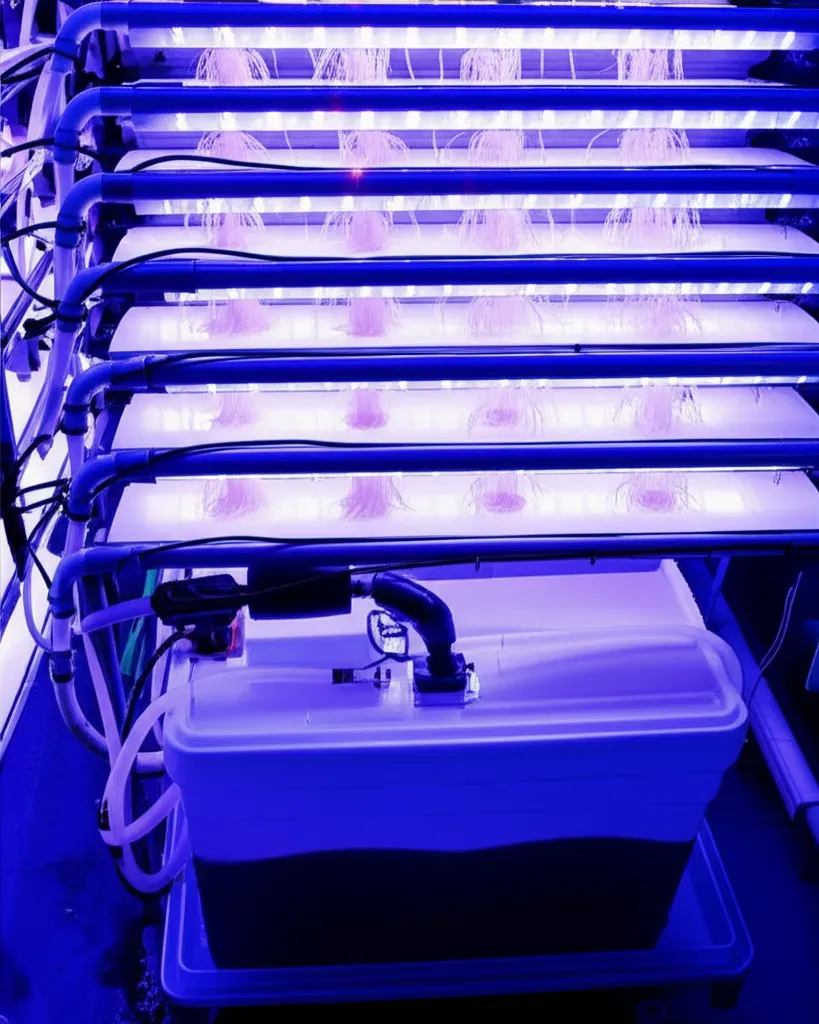
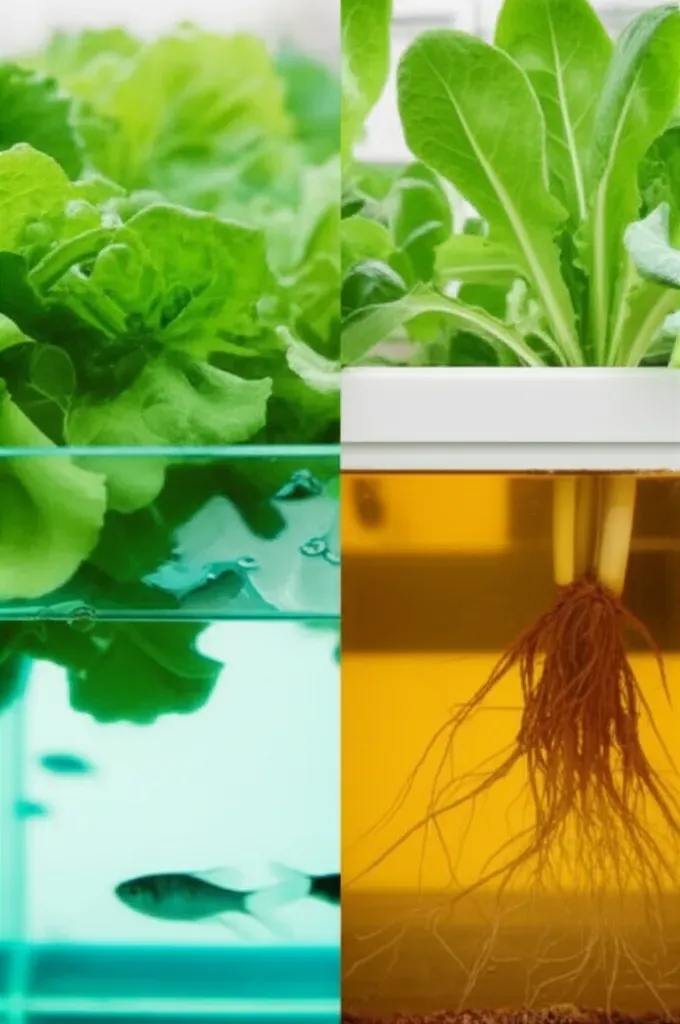
Hydroponics grows plants without soil by dissolving mineral nutrients directly into water and delivering that solution to exposed roots (according to the USDA National Agricultural Library). Your plants sit in growing medium like perlite, coconut coir, or clay pebbles that provides physical support but zero nutrition.
The nutrient solution contains everything plants need: nitrogen, phosphorus, potassium, calcium, magnesium, and trace elements in precise ratios. You're essentially feeding plants intravenously, bypassing the soil ecosystem entirely.
Common hydroponic methods include deep water culture (roots suspended in oxygenated nutrient solution), nutrient film technique (thin stream of solution flowing past roots), and drip systems (nutrient solution delivered to each plant on schedule). Each method moves water differently but shares the same principle: direct chemical feeding (Michigan State University Extension).
How Aquaponics Creates a Living Ecosystem
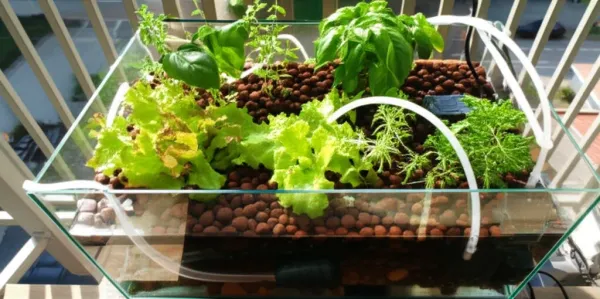
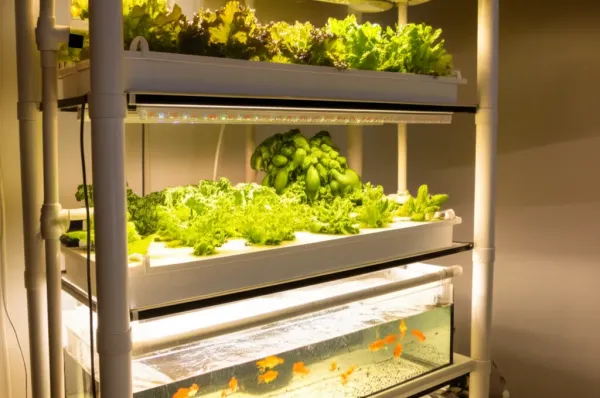
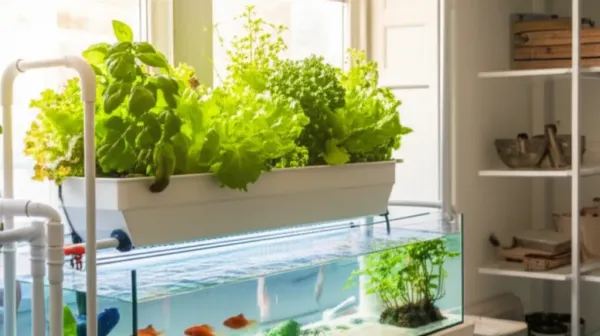
Aquaponics combines fish tanks with grow beds in a recirculating system where fish waste becomes plant food through bacterial conversion (University of Arkansas Extension). Fish produce ammonia through respiration and waste, beneficial bacteria colonizing your system convert that ammonia first to nitrite then to nitrate, and plants absorb nitrate as their primary nitrogen source.
This nitrogen cycle, the same biological process in natural ponds and aquariums, takes four to six weeks to establish as bacterial colonies build up on surfaces throughout your system (Penn State Extension). You're not adding synthetic nutrients; you're managing a miniature ecosystem.
The fish provide continuous nutrient production, plants filter the water clean for fish, and bacteria make the whole exchange possible. Remove any component and the system collapses.
The Fundamental Difference That Drives Everything Else
Hydroponics operates like a chemistry lab where you control every variable. Mix nutrients to exact specifications, adjust pH with acids and bases, and plants respond predictably within hours. You're the sole decision-maker.
Aquaponics functions like stewarding a garden pond. You feed fish, bacteria process waste at their own pace, and plants grow on whatever nutrients the system generates. You're collaborating with biology rather than commanding chemistry.
This biology-versus-chemistry distinction explains why hydroponics offers faster problem correction but requires constant monitoring, while aquaponics provides stable long-term production but demands patience during imbalances. I'll never forget the moment this clicked for me: watching my hydroponic lettuce perk up within six hours of adjusting nutrient concentration, then checking my aquaponics greenhouse where tilapia lazily circled while tomatoes grew at their own steady rhythm. One system responded to my commands like a machine; the other invited me to observe, adjust feeding schedules, and trust the bacteria I couldn't even see to do their work. When your hydroponic pH drifts, you adjust it in minutes; when your aquaponic pH drops, you're working with bacterial populations and buffering capacity over days.
Startup Costs and Equipment: What You'll Actually Spend
Money matters when you're choosing between systems. Initial investment differs significantly, and understanding where those dollars go helps you budget realistically.
Startup Costs and Initial Investment Comparison
| Cost Category | Hydroponics | Aquaponics |
|---|---|---|
| Basic System Kit | $300-$800 | $500-$1,500 |
| Growing Medium | $30-$100 | $50-$150 |
| Nutrient Solutions (first purchase) | $50-$150 | $0 (fish waste provides nutrients) |
| Fish Tank/Breeding Stock | N/A | $100-$300 |
| Aeration & Filtration Equipment | $100-$300 | $200-$500 |
| pH Testing & Monitoring Tools | $50-$150 | $75-$200 |
| Seeds/Seedlings | $30-$75 | $30-$75 |
| Estimated Total Startup | $560-$1,575 | $955-$2,725 |
| Ongoing Monthly Costs | $30-$80 (nutrients) | $20-$50 (fish food) |
Hydroponics Startup Investment
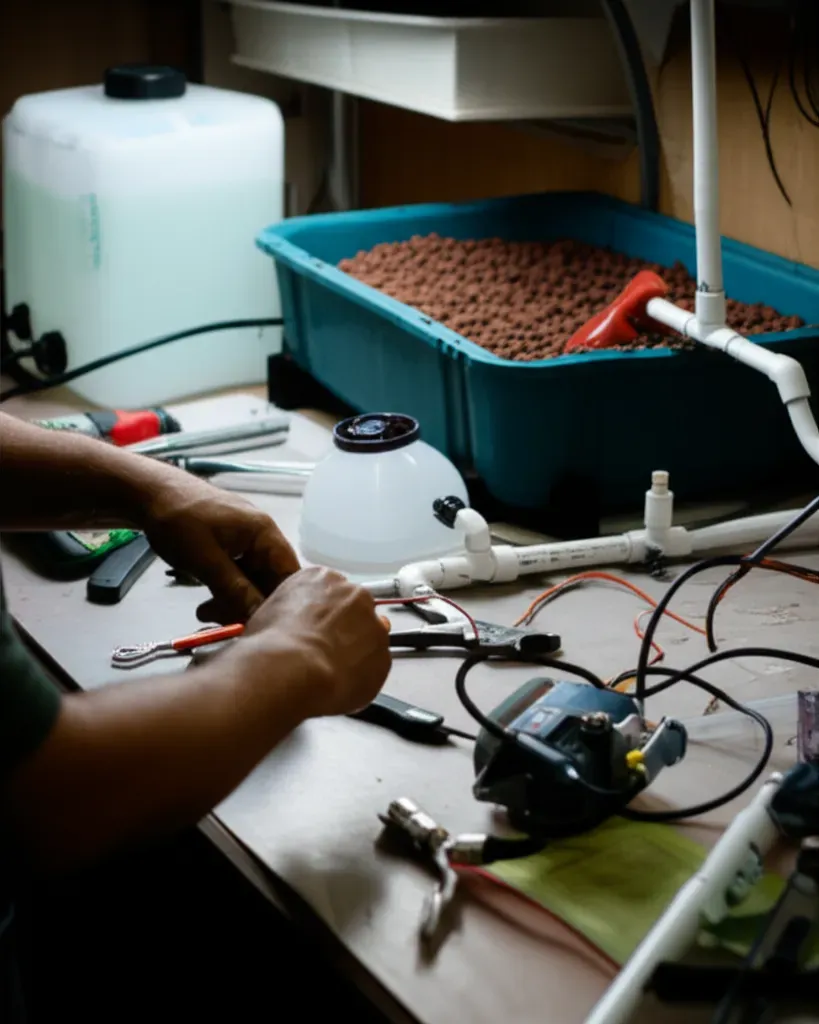
A basic hydroponic system for a 4x4 growing area runs $300-600, depending on whether you build or buy. Essential equipment includes grow lights ($100-250 for LED panels), water pump ($20-40), air pump for root oxygenation ($15-30), growing containers or channels ($50-100), pH and EC meters ($50-80), and initial nutrient supply ($30-50).
Growing medium adds another $20-40 for enough perlite or coconut coir to support 20-30 plants. You'll need a reservoir to hold nutrient solution, typically a 15-25 gallon container ($20-40).
Optional upgrades that improve results include automated pH dosing systems ($150-300), backup pumps ($25-50), and environmental controllers for temperature and humidity ($100-200). Most beginners start basic and upgrade after their first successful harvest.
Aquaponics Initial Setup Costs
Aquaponics typically costs 30-50% more initially because you're building two interconnected systems. A comparable 4x4 setup runs $500-900 for DIY builds. You need everything hydroponics requires plus fish-specific equipment.
The fish tank (50-100 gallons for small systems, $50-150), biofilter for bacterial colonization ($40-100), more powerful water pump to move higher volumes ($40-80), and comprehensive water testing kit for ammonia, nitrite, nitrate, and pH ($40-70) add to base costs. Initial fish stock runs $20-50 depending on species and quantity.
Well, you're also buying into a living system that takes weeks to establish. That cycling period means delayed planting and initial fish food expenses ($15-25 monthly) before you see returns. The biological complexity demands more monitoring equipment upfront (Penn State Extension).
Hidden Costs and Ongoing Expenses to Budget For
Electricity for pumps and lights runs $20-50 monthly for small systems, similar for both methods. Hydroponics requires nutrient replenishment every 2-4 weeks ($15-30 monthly), while aquaponics needs fish food at comparable cost ($15-30 monthly depending on fish load).
Water testing supplies represent ongoing expenses: hydroponic growers spend $10-20 monthly on pH calibration and test solutions, aquaponic practitioners double that for ammonia, nitrite, and nitrate testing during system maturation.
Backup equipment matters more than most beginners realize. I've seen growers shocked when they tally their first year's receipts—my own hydroponic setup consumed $180 in base nutrients and pH adjusters, while my aquaponics system burned through $240 in fish food plus an extra $85 in test kits during the critical first three months of cycling. That testing investment front-loads in aquaponics, but once your nitrogen cycle stabilizes, you're mainly monitoring pH and occasionally checking nitrates rather than constantly validating nutrient ratios across twelve elements. A failed pump in hydroponics gives you hours to respond; in aquaponics, fish survival depends on continuous oxygenation. Budget $50-100 for spare pumps and air stones regardless of system choice.
Daily Management and Time Commitment: What Your Routine Will Look Like
Time investment determines whether you'll sustain your system long-term. Both methods demand regular attention, but the nature of that attention differs considerably.
Hydroponics Maintenance Tasks and Time Requirements
Daily checks take 10-15 minutes: verify pH (target 5.5-6.5 for most crops), check water level, inspect roots for discoloration, and ensure pumps operate properly. You're looking for deviations from your established baseline.
Weekly tasks consume 30-45 minutes: replace nutrient solution completely or top off and adjust concentration, clean filters and pump intakes, trim dead leaves, and test electrical conductivity to confirm nutrient strength. Most growers schedule this for weekend mornings.
Monthly maintenance adds another hour: deep-clean reservoirs to prevent pathogen buildup, inspect all tubing for algae or blockages, calibrate pH meters, and evaluate overall system performance. The routine becomes automatic after your first month (Michigan State University Extension).
Aquaponics Care Routine and Complexity
Daily feeding takes 5-10 minutes: provide fish food once or twice daily (amount depends on fish size and water temperature), observe fish behavior for signs of stress or disease, and check that water circulates properly through all components. Fish health dictates plant nutrition, so this observation matters.
Water quality testing requires 15-20 minutes every 2-3 days during system maturity: measure ammonia, nitrite, nitrate, and pH to confirm the nitrogen cycle functions properly (Penn State Extension). Once established after 2-3 months, testing drops to weekly unless you add fish or increase feeding.
To be fair, aquaponics demands more ecological thinking but potentially less chemical adjustment. Your pH naturally stabilizes as bacterial populations mature, and nutrient availability follows fish feeding rather than mixing schedules. The system develops momentum that hydroponics never achieves.
Problem-Solving and System Recovery
Hydroponics offers rapid problem correction because you control all inputs. Nutrient deficiency appears in leaves? Adjust your solution formula within hours. pH crashes overnight? Add pH-up solution and retest in 30 minutes. Root disease outbreak? Dump the reservoir, sterilize components, and restart with fresh solution.
Recovery happens fast, you're working with chemistry that responds immediately to intervention. The tradeoff: problems can escalate just as quickly if you don't catch them early.
Aquaponics requires patience and biological understanding during imbalances. Ammonia spike from overfeeding? You can't just dump the water, that kills your fish. Instead, you reduce feeding, increase aeration, add supplemental biofilter media, and wait for bacterial populations to catch up over 5-10 days.
The biological buffer that provides long-term stability also slows problem resolution. Last summer, I watched a beginning grower nearly abandon aquaponics when his ammonia hit 4 ppm after enthusiastically overfeeding his goldfish—he wanted to fix it *now* like he could in hydroponics by flushing and replacing solution. Instead, we cut feeding to every other day, added a second air stone, and I taught him to test daily while his Nitrosomonas population doubled every 24 hours until they caught up. Ten days of patience saved his fish and taught him more about biological systems than any book could. Many growers discover that aquaponic problems stem from impatience, trying to force rapid changes in a system that operates on bacterial time scales, not human schedules. You're learning to work with living processes rather than against them.
Performance Comparison: Yields, Crop Options, and What Grows Best
Production capacity and crop selection influence whether your system delivers the harvests you're imagining. Both methods outperform soil gardening, but they excel with different plants.
Growth Speed and Productivity Differences
Hydroponics typically produces 10-25% faster growth because you're delivering optimized nutrition constantly. Lettuce reaches harvest size in 28-35 days versus 35-45 days in aquaponics, tomatoes fruit 7-10 days earlier, and herbs achieve cutting size a week sooner.
That speed advantage comes from precision: you're mixing nutrients for each growth stage, adjusting ratios as plants mature, and pushing productivity to biological limits. Commercial hydroponic farms exploit this control for maximum yields per square foot.
Aquaponics offers more stable long-term production with organic certification potential because you're not adding synthetic chemicals. Growth rates settle slightly slower but remain consistent year-round once your system matures. The University of Hawaii documents that aquaponic systems use 90% less water than soil-based agriculture through recirculation, comparable to hydroponics but with the added benefit of fish protein production.
Best Crops for Each System
Hydroponics excels with heavy-feeding fruiting plants: tomatoes, peppers, cucumbers, strawberries, and squash thrive on high-nutrient solutions you can adjust for flowering and fruiting stages. Leafy greens like lettuce, kale, spinach, and chard grow phenomenally well. Herbs including basil, cilantro, and mint reach harvest size quickly.
Aquaponics performs best with leafy greens and herbs that tolerate moderate nutrient levels: lettuce varieties, Swiss chard, pak choi, and most culinary herbs flourish. Fruiting plants grow successfully but require careful fish-to-plant ratios to generate sufficient nutrients, you'll need more fish or supplemental feeding to support heavy producers.
Certain crops struggle in aquaponics because fish waste doesn't provide enough specific nutrients. Iron-hungry plants like strawberries often need supplementation. Root vegetables work poorly in both systems since most designs don't accommodate deep root zones (though media beds in aquaponics support some root crops).
The Bonus of Aquaponics: Growing Your Own Protein
Aquaponics delivers fish harvest alongside vegetables, a significant advantage if you value food independence. Tilapia reaches plate size (1-1.5 pounds) in 6-9 months, catfish in 8-12 months, providing genuine protein production from your system (University of Hawaii).
Realistic expectations matter, though. A 100-gallon fish tank supports 15-20 tilapia at harvest weight, yielding 20-30 pounds of fish annually. That's meaningful supplemental protein but not total self-sufficiency. Ornamental fish like goldfish and koi offer no harvest but still drive the system effectively if you're focused on vegetables.
State regulations complicate fish raising: some jurisdictions restrict tilapia possession, require permits for aquaculture, or prohibit certain species entirely. Research local laws before investing in fish stock. The added complexity of animal husbandry, feeding schedules, disease management, harvest processing, only justifies itself if you actually want to raise fish, not just grow vegetables.
Making Your Decision: Which System Fits Your Situation
Choose hydroponics if you prioritize maximum control, fastest growth, and don't mind regular chemical management. The system suits detail-oriented growers comfortable with pH adjustment, nutrient mixing, and treating growing as a technical hobby. You'll invest less initially and can start planting immediately after setup.
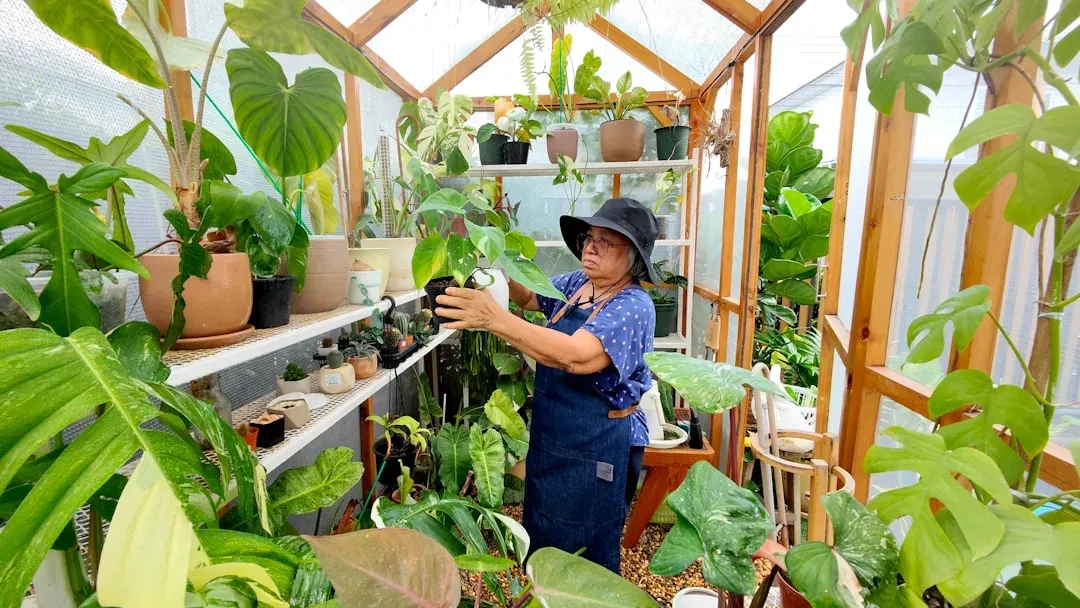
Hydroponics makes sense when your primary goal is vegetable production, you're growing heavy-feeding fruiting crops, or you want to experiment with different nutrient formulas and growing techniques. The learning curve involves chemistry and system mechanics rather than biology, you're troubleshooting equipment and adjusting formulas, not managing living organisms.
Select aquaponics if you're drawn to sustainable closed-loop systems, want to raise fish alongside plants, and have patience for biological processes. This choice suits growers who think in terms of ecosystems rather than inputs and outputs. You're committing to animal care responsibilities and accepting that system changes happen gradually.
Aquaponics fits when you value organic growing methods, want supplemental protein production, or find satisfaction in managing interconnected living systems. The approach rewards ecological thinking, understanding how fish health affects plant nutrition, how bacterial populations respond to temperature, how the whole system balances over time. "Aquaponics requires you to think like a farmer, not just a gardener—you're managing a living ecosystem where every decision affects multiple interconnected components," says Dr. Nate Storey, Chief Science Officer at Plenty Unlimited and aquaponics researcher who has designed systems for commercial operations worldwide.
Consider your available time honestly. Hydroponics demands consistent monitoring and regular intervention but offers flexible scheduling, you can adjust nutrients anytime. Aquaponics requires daily fish feeding at relatively fixed times and ongoing attention to biological indicators that can't be rushed.
Look, both systems will teach you about plant nutrition, water chemistry, and controlled environment growing. Neither is objectively superior. Hydroponics delivers speed and control; aquaponics provides sustainability and protein. Your choice should align with what you actually want to harvest and how you prefer to spend your growing time.
Start with the system that matches your genuine interests rather than which sounds more impressive. A hydroponic grower who wishes they had fish will feel limited; an aquaponic practitioner who just wants vegetables will resent feeding schedules. Match the method to your motivation, and you'll sustain the commitment required for long-term success.
Ready to build your first system? Begin with a small-scale setup in either method to learn the fundamentals before expanding. Your first growing season teaches more than any article can, about your preferences, your available time, and whether you're more drawn to chemical precision or biological balance. That hands-on experience will guide every decision that follows.
Related Articles
- Aquaponics System Pros and Cons: Is It Right for You?
- How Does an Aquaponics System Work? The Complete Cycle Explained
- Complete Guide to Aquaponics Systems: How They Work & Getting Started
- Types of Aquaponics Systems: Design Methods & Best Practices
- Aquaponics Systems for Beginners: Easy Start Guide
- Growing Vegetables in Aquaponics: What Works Best & How
Frequently Asked Questions
How long does it take to set up an aquaponics system before I can start growing?
While physical setup takes days to weeks, you must wait 4-6 weeks for the nitrogen cycle to establish before plants can thrive. During this cycling period, beneficial bacteria colonize the system and convert fish waste into usable nutrients. Starting plants too early will result in nutrient deficiencies and poor growth.
Can I grow the same crops in both aquaponics and hydroponics?
No, crop selection differs between systems. Hydroponics works well for fast-growing, nutrient-hungry plants like lettuce and herbs. Aquaponics is better suited for plants that tolerate lower nutrient concentrations, though you can grow similar crops with adjusted stocking densities and fish types.
What happens if my aquaponics system loses power or crashes?
Recovery takes days rather than hours because you depend on bacterial populations to rebuild nutrient conversion. In hydroponics, you can adjust chemical nutrients within minutes to hours. This makes aquaponics riskier for system failures but also means the biological buffer provides some resilience.
Which system uses less water overall?
Both aquaponics and hydroponics conserve significantly more water than traditional soil gardening. However, aquaponics uses slightly more water due to fish tank evaporation and water loss during harvesting, while hydroponics can recirculate with minimal losses.
Do I need to buy fish food or other inputs for aquaponics?
Yes, you must continuously feed the fish to maintain nutrient production for plants. The fish food cost is an ongoing expense, plus occasional water top-offs and pH adjustments. This makes aquaponics more complex and expensive to operate than hydroponics despite lower nutrient costs.
Is hydroponics or aquaponics better for a beginner?
Hydroponics is generally easier for beginners because you have direct control over nutrients and can fix problems quickly. Aquaponics requires understanding fish care, bacterial cycles, and ecosystem balance, making it better suited for experienced growers willing to manage biological complexity.
Can I harvest protein from hydroponics like I can from aquaponics?
No, hydroponics produces only vegetables and herbs. Aquaponics uniquely allows you to harvest fish as protein alongside your plants, making it the only system providing dual food production in one setup.
What's the main advantage of choosing hydroponics over aquaponics?
Hydroponics offers faster plant growth, precise nutrient control, simpler daily maintenance, and quicker problem-solving. Choose it if you prioritize maximum yields, crop speed, and want to avoid managing a living ecosystem with fish and bacteria.