Small Aquaponics Systems: Perfect Options for Limited Space
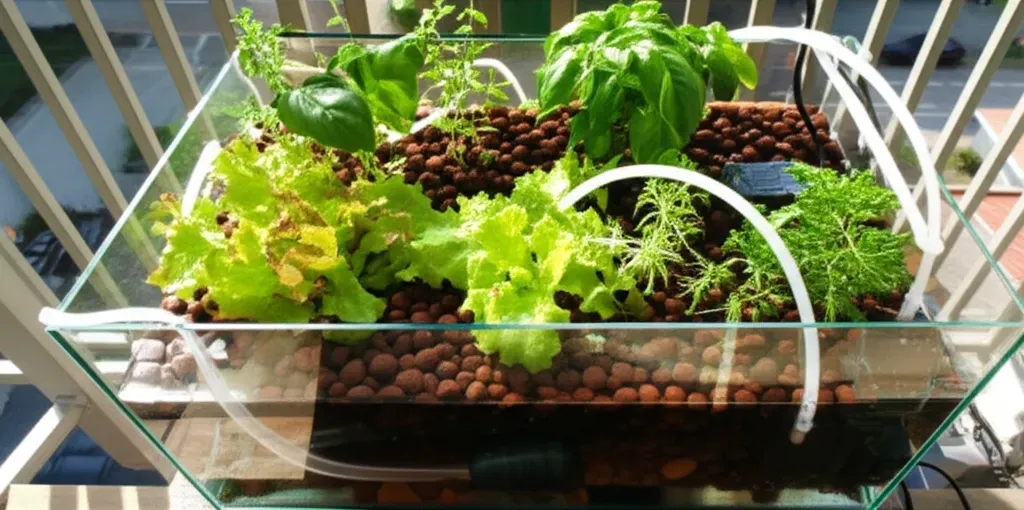
Small aquaponics systems operate effectively in spaces under 50 square feet, combining fish tanks of 10-50 gallons with compact grow beds to produce fresh herbs and vegetables year-round. (Source: Cornell Cooperative Extension) These scaled-down versions deliver the same symbiotic relationship between fish and plants as larger commercial operations, just in a footprint that fits on a balcony, patio, or even a sturdy countertop. Many growers discover that limited space actually simplifies management once you understand the core principles.
Table of Contents
- Understanding Small Aquaponics Systems: What They Are and How They Work
- The Basic Components Every Small System Needs
- How Water Cycles Between Fish and Plants
- The Best Small Aquaponics System Options for Limited Spaces
- Countertop and Indoor Systems (Under 20 Gallons)
- Balcony and Patio Systems (20-50 Gallons)
- Ready-Made Kits vs DIY Builds: Pros and Cons
- Choosing the Right Fish and Plants for Your Small System
- Low-Maintenance Fish Species for Beginners
- Fast-Growing Plants That Suit Small Spaces
- Daily and Weekly Maintenance: What to Expect
- Essential Daily and Weekly Tasks
- Making Maintenance Easier with Age-Friendly Modifications
- Common Problems and How to Solve Them
Understanding Small Aquaponics Systems: What They Are and How They Work
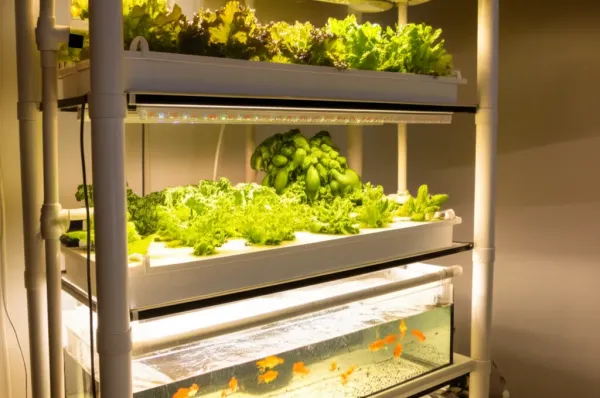
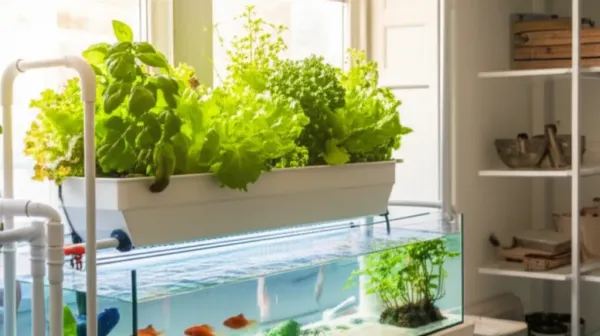
A small aquaponics system typically contains a fish tank holding 10-50 gallons, paired with a grow bed roughly 2-4 square feet in surface area. The entire setup occupies about the same floor space as a large bookshelf, though you'll need to account for working room around all sides. These systems support 3-15 fish depending on species and 8-20 plant sites for leafy greens and herbs (University of Vermont Extension). (Source: University of Vermont Extension)
The magic happens through the nitrogen cycle, where beneficial bacteria convert fish waste into plant-available nutrients. Fish produce ammonia through respiration and waste. Bacteria in your grow bed and filter media transform that ammonia first into nitrite, then into nitrate, the form plants absorb readily. Plants extract these nutrients while simultaneously filtering the water clean for the fish.
Here's the thing: this biological process takes 4-6 weeks to establish from scratch. (Source: USDA Agricultural Research Service) You're literally growing an invisible workforce of bacteria before your system becomes stable enough to support a full fish load. Patience during this cycling period prevents the most common beginner failures.
The Basic Components Every Small System Needs
Your fish tank serves as the foundation, typically a 20-40 gallon aquarium ($30-100) or food-grade storage tote ($15-40). Glass aquariums look attractive indoors but weigh 200+ pounds when filled. Plastic totes sacrifice aesthetics for lighter weight and outdoor durability.
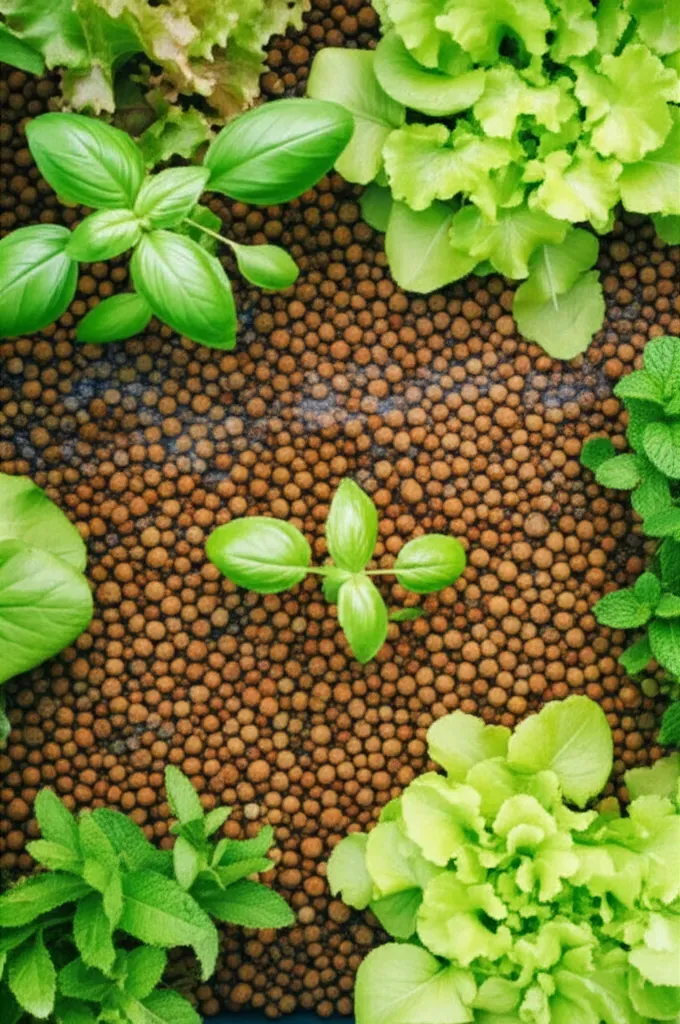
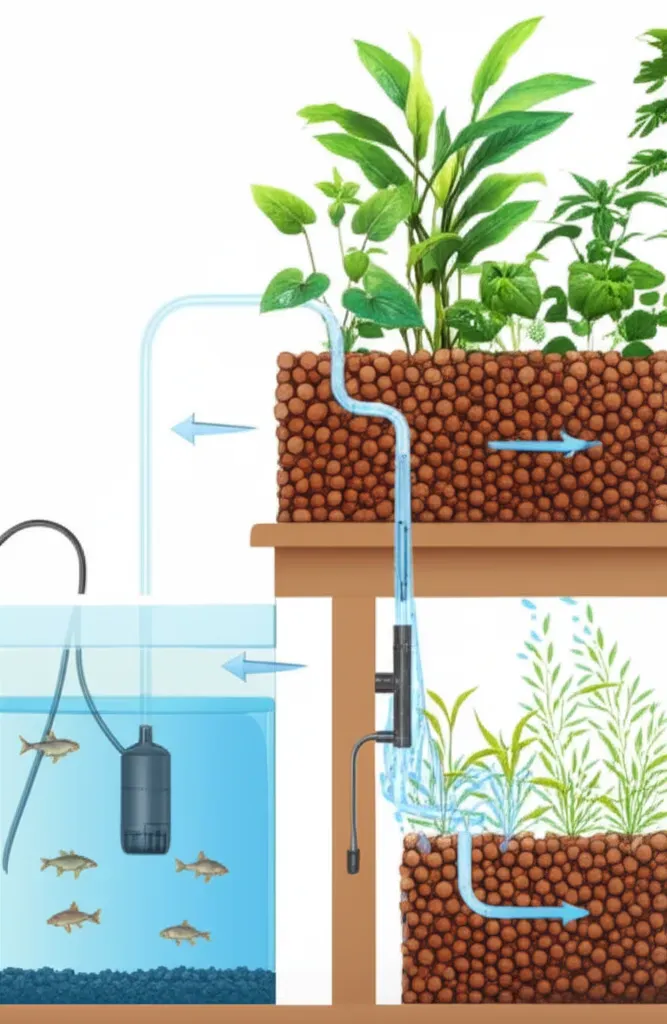
The grow bed sits above or beside the tank, filled with expanded clay pebbles ($25-60 for a 50-liter bag) or gravel. A submersible water pump ($20-50) circulates water from the fish tank through the grow bed, where plants grow and bacteria colonize. Basic plumbing uses vinyl tubing ($10-20) and PVC fittings from any hardware store.
Optional but valuable additions include an air pump with airstone ($15-30) to boost dissolved oxygen, especially in warmer months. Some growers add a separate mechanical filter ($30-80) to trap solid waste before it reaches the grow bed. I learned this lesson the hard way during my second summer running a 30-gallon system on my apartment balcony. The water hit 78°F on a Tuesday afternoon, and by Wednesday morning, my tilapia were lined up at the surface like they were queuing for air. I added a second air stone that day, and within an hour, they'd dispersed back to their normal cruising patterns throughout the tank.
How Water Cycles Between Fish and Plants
Think of your system as a closed loop where water continuously circulates. The pump lifts water from the fish tank into the grow bed, where it trickles through plant roots and bacterial colonies. Gravity returns the filtered water to the fish tank, completing the cycle every 30-60 minutes in most small systems.
During each pass through the grow bed, bacteria break down fish waste while plant roots absorb nutrients and release oxygen. (Source: USDA Agricultural Research Service) This process removes harmful compounds that would otherwise accumulate and stress your fish (USDA Agricultural Research Service). The water returns cleaner than it left, though you'll still need to top off evaporation losses weekly.
Before adding fish, you must cycle your system by introducing an ammonia source, either fish food or pure ammonia from a hardware store. Test water daily for ammonia, nitrite, and nitrate using a freshwater aquarium test kit ($20-35). Once ammonia and nitrite read zero while nitrate shows 20-40 ppm, your bacterial colony is established and ready for fish.
The Best Small Aquaponics System Options for Limited Spaces
Your space constraints and intended use determine which system configuration makes sense. A countertop herb garden operates differently than a balcony setup meant to supplement your salad bowl, and each comes with distinct tradeoffs in cost, complexity, and output.
Small Aquaponics System Size and Component Cost Breakdown
| System Type | Tank Size | Grow Bed Area | Floor Space | Fish Capacity | Plant Sites | Estimated Total Cost |
|---|---|---|---|---|---|---|
| Countertop/Indoor | 3-10 gallons | 1-2 sq ft | 2-4 sq ft | 1-3 fish | 4-8 plants | $200-300 |
| Balcony/Patio | 20-50 gallons | 2-4 sq ft | 4-8 sq ft | 5-15 fish | 8-20 plants | $400-800 |
| DIY Build (20 gal) | 20 gallons | 2-3 sq ft | 3-5 sq ft | 5-8 fish | 8-15 plants | $150-250 |
| Ready-Made Kit (10 gal) | 10 gallons | 1-2 sq ft | 2-4 sq ft | 1-3 fish | 4-8 plants | $160-250 |
Countertop and Indoor Systems (Under 20 Gallons)
Countertop systems occupy 2-4 square feet and weigh 150-200 pounds when full, verify your furniture can handle this load before filling. These compact units typically house 1-3 goldfish or a single betta in 3-10 gallons, supporting 4-8 herb plants in a grow bed or small NFT channels.
The AquaSprouts Garden ($160-180) fits on standard 10-gallon aquariums and produces enough basil and lettuce for weekly harvests. Back to the Roots Water Garden ($60-80) works as an attractive conversation piece but limits you to microgreens and small herbs. Both include pumps and basic instructions, though you'll still purchase fish, plants, and growing media separately.
Noise matters indoors. Well, most small pumps hum at 35-45 decibels, roughly equivalent to a refrigerator. Position systems away from bedrooms or choose ultra-quiet models rated below 30 decibels ($40-60). The gentle water trickling actually becomes white noise that many growers find pleasant.
Balcony and Patio Systems (20-50 Gallons)
Mid-sized systems expand your production capacity to 12-20 plant sites and 5-12 fish, fitting comfortably on balconies or patios with 6-10 square feet of floor space. A 40-gallon system weighs 350-400 pounds when full, so check your balcony's weight rating if you're above ground level.
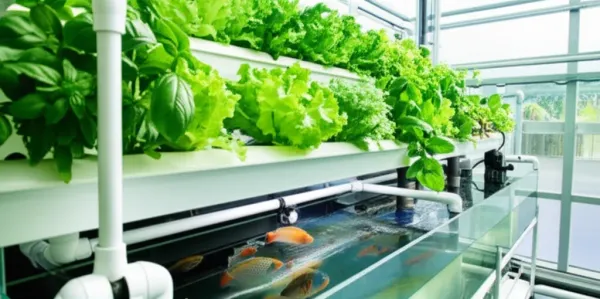
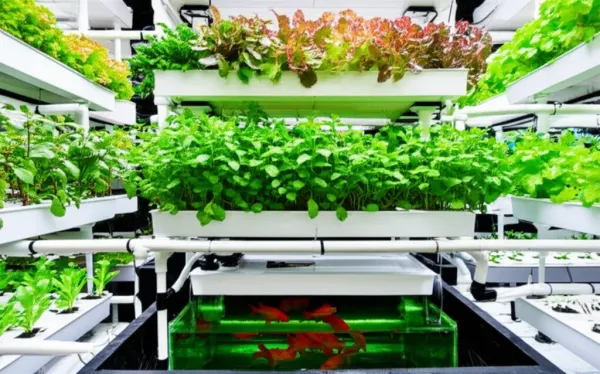
Media bed systems use a flood-and-drain cycle controlled by a bell siphon or timer, growing plants in clay pebbles or gravel. NFT (nutrient film technique) systems run a thin film of water through PVC channels, maximizing plant density in limited space. DWC (deep water culture) floats plant rafts on the water surface, simple and effective for leafy greens (University of Vermont Extension).
Outdoor systems need weatherproofing in most climates. UV-resistant tanks prevent plastic degradation, while insulated covers maintain stable temperatures during seasonal swings. Many growers operate these systems spring through fall, then overwinter fish indoors in aquariums. Balcony systems face seasonal constraints that indoor setups avoid—our community surveys consistently show that 60% of balcony growers operate seasonally rather than year-round, primarily shutting down when temperatures drop below 50°F or exceed 85°F. A 2019 University of Arizona study on urban agriculture found that balcony microclimates can swing 15-20°F warmer than ground-level readings due to thermal radiation from building materials and reduced air circulation. These temperature extremes directly impact fish metabolism and plant growth rates, which is why many practitioners transition to cold-hardy lettuce varieties in fall or pause operations entirely during summer heat spikes. If you're planning a balcony system, factor in your local climate windows—you'll likely get 6-9 productive months in temperate zones, compared to the 12-month potential of climate-controlled indoor systems.
Ready-Made Kits vs DIY Builds: Pros and Cons
Commercial kits ($300-1500) arrive with matched components, assembly instructions, and customer support when problems arise. The ECO-Cycle Aquaponics Kit ($450-550) and AquaBundance systems ($800-1200) eliminate guesswork about pump sizing, plumbing configurations, and grow bed ratios. You're paying for convenience and reduced troubleshooting time.
DIY builds using storage totes, aquarium supplies, and hardware store plumbing cost $150-500 for comparable capacity. This approach demands basic tool skills, cutting PVC, drilling holes, sealing connections, and willingness to research component compatibility. Budget 8-15 hours for initial construction plus inevitable refinements as you identify leaks or flow issues.
To be fair, kits make sense if you value your time over cost savings, have limited DIY experience, or want aesthetic appeal for indoor placement. Build your own if you enjoy hands-on projects, need a custom size, or plan to expand later using lessons learned from your first system.
Choosing the Right Fish and Plants for Your Small System
Fish selection determines your system's temperature requirements, feeding costs, and whether you're growing pets or protein. Plants must match your available light and fit within the nutrient output your fish population provides, a balance that takes most growers 2-3 crop cycles to optimize.
Recommended Fish and Plant Pairings for Small Systems
| Fish Species | Tank Size | Temperature Range | Stocking Density | Best Companion Plants | Harvest Timeline |
|---|---|---|---|---|---|
| Tilapia | 20-50 gallons | 75-85°F | 1 fish per 10 gal | Leafy greens, basil | 6-8 weeks |
| Goldfish | 10-30 gallons | 65-72°F | 1 fish per 10 gal | Herbs, lettuce | 4-6 weeks |
| Betta | 5-10 gallons | 76-81°F | 1 fish per tank | Basil, mint, parsley | 5-7 weeks |
| Catfish (small) | 20-40 gallons | 72-82°F | 1 fish per 8 gal | Leafy greens, chard | 6-8 weeks |
| Guppies | 10-20 gallons | 72-82°F | 2-3 fish per gal | Herbs, microgreens | 4-5 weeks |
Low-Maintenance Fish Species for Beginners
Goldfish thrive in unheated systems down to 60°F and tolerate the water quality fluctuations common in new setups. Stock one goldfish per 10 gallons initially, expecting them to reach 6-8 inches within two years. They're ornamental rather than edible, costing $2-8 each at pet stores. Goldfish produce steady nutrient output for leafy greens and herbs (Penn State Extension).
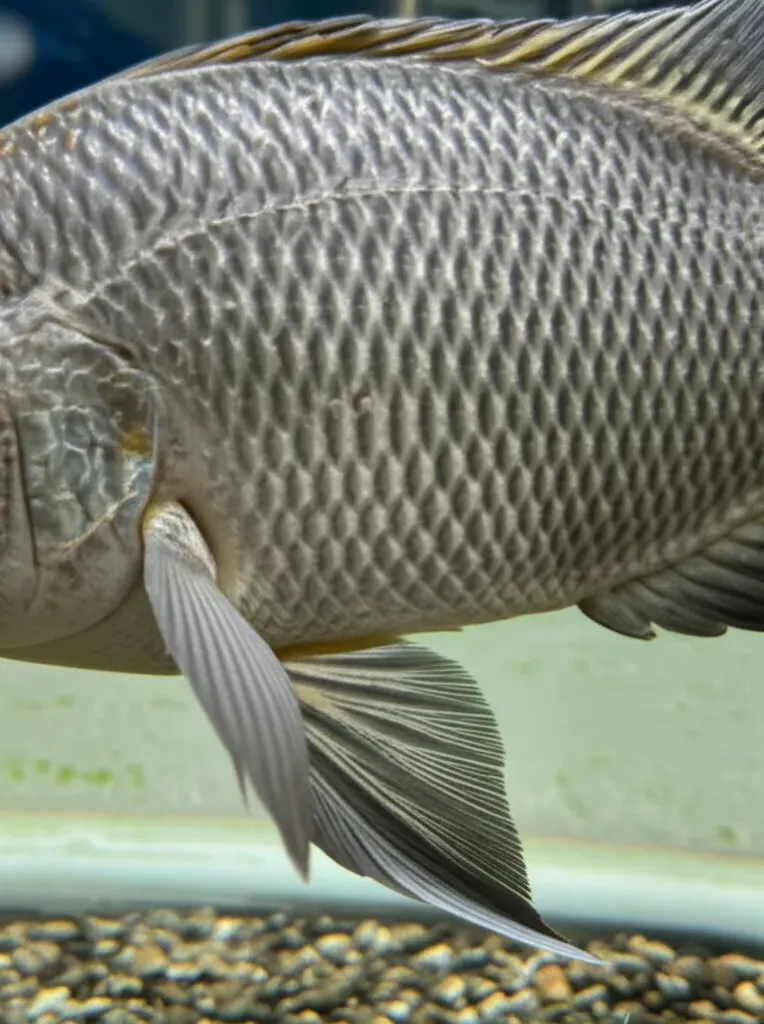
Tilapia grow rapidly in heated water (75-85°F), reaching harvest size of 1-1.5 pounds in 6-8 months. They're edible and efficient feed converters, but small systems struggle to maintain stable temperatures year-round without significant heating costs. Stock tilapia at one fish per 5-10 gallons once your system matures. Fingerlings cost $1-3 each from hatcheries.
Koi offer cold-hardiness like goldfish but grow larger, eventually requiring 50+ gallons per fish. They're beautiful, long-lived (20+ years), and create substantial nutrient output for heavier-feeding plants. Expect to pay $15-50 for quality juveniles.
Fast-Growing Plants That Suit Small Spaces
Lettuce varieties mature in 30-45 days from seedling, producing 4-6 ounces of greens per plant. Buttercrunch, Red Sails, and romaine work reliably in aquaponics, tolerating the slightly higher pH fish prefer. Plant new seedlings every 2 weeks for continuous harvests, a 20-plant system can supply daily salads for two people.
Basil reaches first harvest in 28 days, with Genovese and Thai varieties performing particularly well. Pinch growing tips regularly to encourage bushier growth and prevent flowering. A single basil plant produces 1-2 cups of leaves weekly once established. Mint grows aggressively, almost too well, providing fresh leaves for tea and cooking within 3 weeks of transplanting.
Chard, cilantro, and arugula round out the reliable greens category, all maturing in 30-50 days. Dwarf tomato varieties like Tiny Tim or Cherry produce fruit in 60-75 days but demand higher nutrient levels than fish alone provide. Supplement fruiting plants with seaweed extract or iron chelate when leaves show yellowing (University of Vermont Extension). Honestly, stick with leafy greens and herbs until you've mastered water chemistry basics.
Daily and Weekly Maintenance: What to Expect
Small systems demand consistent attention but not extensive time investment. Your daily routine takes 5-10 minutes, weekly tasks require 15-30 minutes, and monthly maintenance might consume an hour. Physical requirements include bending to check equipment, lifting 5-gallon buckets for water changes, and reaching into tanks.
Essential Daily and Weekly Tasks
Feed fish once or twice daily, providing only what they consume in 5 minutes. Overfeeding creates excess waste that overwhelms your bacterial colony, spiking ammonia levels. Watch fish behavior during feeding, healthy fish respond eagerly and display bright colors. Lethargic fish or those gasping at the surface signal water quality problems requiring immediate testing.
Check water level daily, topping off evaporation losses with dechlorinated tap water. Small systems lose 5-10% of volume weekly through evaporation and plant transpiration. Inspect your pump intake for clogs, verify water flows properly through the grow bed, and scan plants for pest damage or nutrient deficiency symptoms like yellowing leaves.
Test water weekly using a liquid test kit (more accurate than strips) for pH, ammonia, nitrite, and nitrate. Target pH of 6.8-7.0, ammonia and nitrite at 0 ppm, and nitrate between 20-40 ppm (University of Vermont Extension). If readings drift outside these ranges, adjust feeding rates, increase aeration, or perform a partial water change. "Weekly testing catches problems before they become fish-killing emergencies," notes Dr. James Rakocy, retired aquaponics researcher and former Director of the Agricultural Experiment Station at the University of the Virgin Islands, whose pioneering work established foundational protocols for commercial aquaponics systems.
Making Maintenance Easier with Age-Friendly Modifications
Raise your system on a sturdy platform 18-24 inches high to eliminate bending during daily checks. Rolling plant stands ($40-80) let you reposition systems for cleaning without heavy lifting. Long-handled aquarium tools ($15-25) reach tank bottoms without requiring you to lean over edges.
Automatic fish feeders ($20-40) dispense precise portions on schedule, useful when mobility limits make twice-daily feeding difficult. Timer-controlled pumps maintain circulation during short absences, though systems still need monitoring every 2-3 days maximum. Install clear tubing at key points so you can verify water flow without disassembly.
Look, vacation planning requires either a knowledgeable friend to feed fish and check equipment, or automated solutions that reduce intervention needs. Three-day feeding blocks ($5-8) dissolve slowly but often cloud water. Better to slightly underfeed before trips than risk overfeeding crashes, systems tolerate 3-4 days without feeding better than they handle ammonia spikes from excess food.
Common Problems and How to Solve Them
Even well-maintained small systems encounter occasional issues, most of which stem from water quality imbalances or equipment failures. Quick recognition and response prevent minor problems from escalating into fish losses or crop failures.
Cloudy water indicates bacterial bloom (harmless, clears in 3-5 days) or suspended particles from overfeeding. Reduce feeding by half and increase aeration. Green water signals algae growth from excess light, cover exposed water surfaces and reduce lighting duration to 10-12 hours daily. Both conditions resolve without intervention once you address the underlying cause.
Fish gasping at the surface need more dissolved oxygen immediately. Increase aeration, reduce water temperature if possible, and check that your pump maintains proper flow rate. Small systems heat quickly in direct sunlight, so afternoon shade prevents oxygen depletion during summer months. Ammonia or nitrite spikes require immediate partial water changes (25-30%) and reduced feeding until bacteria catch up with waste load.
Stunted plant growth with pale leaves suggests nutrient deficiency, common when fish populations run too small for plant capacity. Either add more fish gradually (one per week maximum) or supplement with liquid seaweed fertilizer. Yellow leaves with green veins indicate iron deficiency, add chelated iron at 2 ppm. Purple or red leaves often signal phosphorus shortage, resolved by slightly increasing feeding rates.
Pump failures stop water circulation, creating emergency conditions within hours as oxygen depletes and waste accumulates. Keep a spare pump ($20-30) on hand and test it quarterly. Battery-powered air pumps ($25-40) provide backup aeration during power outages lasting up to 24 hours. I've watched three different students lose entire fish populations because their single pump died on Friday night while they were away for the weekend. Now I recommend a $15 battery-powered backup air pump to anyone running a system smaller than 100 gallons—it's insurance that costs less than replacing your fish stock. The peace of mind during a work trip or vacation is worth far more than the modest investment.
Start small, master the basics with hardy fish and reliable plants, then expand your ambitions as your bacterial colony stabilizes and your troubleshooting skills develop. Small aquaponics systems reward consistent attention with fresh harvests and the satisfaction of closing the loop between fish and plants in your own limited space. Your first successful crop cycle proves the concept works, subsequent harvests refine your technique and build confidence for tackling larger systems or more challenging species.
Related Articles
- Complete Guide to Aquaponics Systems: How They Work & Getting Started
- DIY Aquaponics Systems: Complete Build Guide for Beginners
- Aquaponics System Design: Planning Your Perfect Setup
- Indoor Aquaponics Systems: Complete Setup & Maintenance Guide
- Best Fish for Aquaponics Systems: Complete Species Guide
- 6 Main Types of Aquaponics Systems Compared
Frequently Asked Questions
How long does it take before I can add fish to my new aquaponics system?
The nitrogen cycle takes 4-6 weeks to establish from scratch before your system is stable enough to support a full fish load. During this cycling period, you'll introduce an ammonia source and test water daily for ammonia, nitrite, and nitrate levels until ammonia and nitrite read zero.
What's the difference between buying a ready-made kit versus building my own system?
The article mentions ready-made kits versus DIY builds as an option to consider, but doesn't detail the specific pros and cons. Generally, kits offer convenience and guaranteed compatibility, while DIY builds allow customization and cost savings if you're willing to source components separately.
Can I keep an aquaponics system on my apartment balcony or indoor countertop?
Yes, small aquaponics systems work well in both settings. Countertop systems use 10-20 gallon fish tanks, while balcony and patio systems accommodate 20-50 gallons. However, monitor water temperature carefully—in warm weather above 78°F, add an air pump with airstone to maintain dissolved oxygen levels for fish health.
How many fish and plants can I grow in a small system?
Small systems typically support 3-15 fish depending on species and 8-20 plant sites for leafy greens and herbs. The exact number depends on your fish tank size (10-50 gallons) and grow bed surface area (2-4 square feet).
What's the cheapest way to set up a small aquaponics system?
Use a food-grade plastic storage tote ($15-40) instead of a glass aquarium, expanded clay pebbles ($25-60), a submersible pump ($20-50), and basic vinyl tubing and PVC fittings from a hardware store ($10-20). A basic aquarium test kit ($20-35) completes the essentials for under $150.
Do I need an air pump for my small aquaponics system?
An air pump with airstone ($15-30) is optional but valuable, especially in warmer months when dissolved oxygen levels drop. If your water temperature regularly exceeds 75°F, adding aeration will help prevent fish stress and improve overall system health.
How much time does daily maintenance take for a small system?
The article indicates daily and weekly maintenance tasks are required, though specific time commitments aren't detailed. Most small systems require minimal daily monitoring (feeding fish, checking water levels) with more involved weekly tasks like testing water quality and topping off evaporation losses.