Best Aquaponics Systems for Sale: 2024 Buyer's Guide
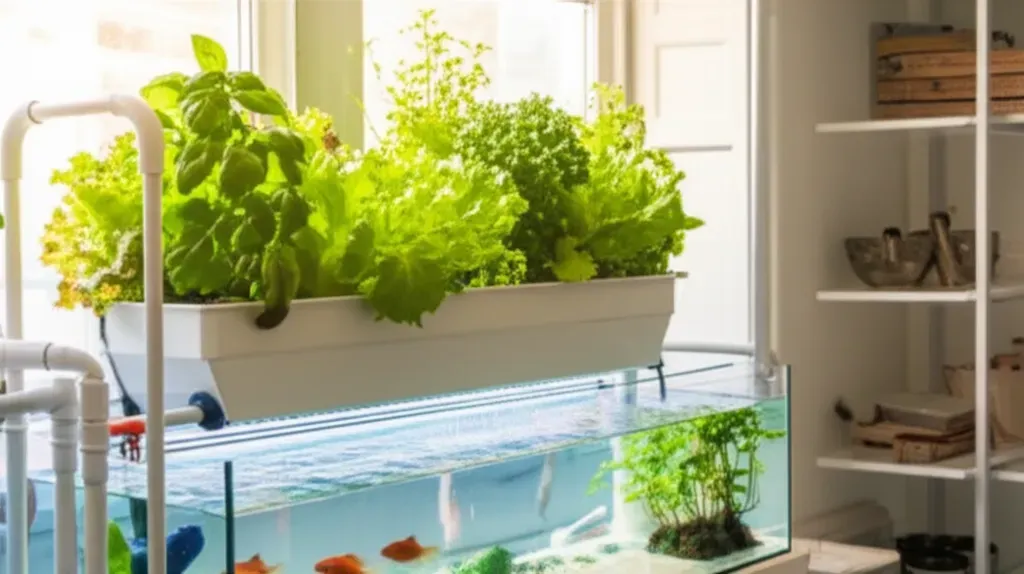
The best aquaponics systems for sale in 2024 balance beginner-friendly design with productive capacity, ranging from $150 countertop units perfect for herbs to $2,500 backyard systems that supply vegetables year-round. Your ideal choice depends on available space, physical capabilities, and whether you're testing the waters or committing to serious food production.
Table of Contents
- What is Aquaponics and Is It Right for Your Home?
- How Aquaponics Systems Work: The Simple Explanation
- Honest Assessment: Time, Cost, and Physical Requirements
- Key Benefits for Mature Homeowners
- Types of Aquaponics Systems: Finding Your Best Match
- Countertop and Small Indoor Systems
- Mid-Size Indoor and Patio Systems
- Backyard and Greenhouse Systems
- Our Top Aquaponics System Recommendations for 2024
- Best Starter System for Complete Beginners
- Best Value Mid-Range System
- Best Premium/Low-Maintenance System
- Best DIY-Friendly Kit
- Essential Buying Criteria: What to Look for Before You Buy
- Size and Space Requirements (With Actual Measurements)
- System Components and Quality Indicators
- Included Accessories vs. Hidden Costs
- Setting Up Your First Aquaponics System: Practical Steps
- Week 1-2: Assembly and Initial Cycling
- Week 3-4: Monitoring and Adjusting
- Week 5-6: Adding Fish and Stabilizing
- Ongoing Maintenance Routines
- Common Questions and Long-Term Success Tips
- What Fish Should I Start With?
- How Much Food Can I Really Grow?
- What Goes Wrong Most Often?
- When Should I Upgrade or Expand?
This guide evaluates commercial systems across price points and sizes, helping you match equipment to your specific situation rather than chasing theoretical "best" options that might sit unused in your garage.
What is Aquaponics and Is It Right for Your Home?
Aquaponics combines fish farming with soilless plant growing in a closed-loop system where fish waste feeds plants and plants clean water for fish. The USDA defines it as "a sustainable food production system that combines traditional aquaculture with hydroponics in a symbiotic environment." This isn't marketing language, it's a recognized agricultural method that scales down to home use.
How Aquaponics Systems Work: The Simple Explanation
Fish produce ammonia through their waste. Beneficial bacteria colonize your system's surfaces and convert that ammonia first into nitrites, then into nitrates. Plants absorb nitrates as fertilizer, removing them from the water before it cycles back to the fish tank.
You feed the fish daily. Everything else happens automatically through this nitrogen cycle once the bacterial colonies establish themselves during the first 4-6 weeks (University of Maryland Extension). The bacteria do the heavy lifting, you're just maintaining the environment they need to thrive.
This closed loop uses approximately 90% less water than soil gardening because you're only replacing what evaporates and what plants transpire (NCBI). No runoff, no daily watering, no nutrient mixing like traditional hydroponics requires.
Honest Assessment: Time, Cost, and Physical Requirements
Daily tasks take 15-30 minutes once your system stabilizes: feed fish, check water levels, observe plant and fish health (University of Maryland Extension). Weekly tasks add another 15-45 minutes depending on system size, testing water parameters, harvesting, trimming dead leaves, cleaning filters if your system includes them.
Startup costs span a wide range. Countertop systems start around $150-300 with everything included. Mid-size systems run $400-800 and require separate purchases like grow lights or heaters. Serious backyard setups reach $1,500-3,000+ but produce enough vegetables and fish to offset grocery costs within 18-24 months. I've watched dozens of new growers underestimate the physical demand of lifting 50-pound bags of grow media or moving a 200-gallon fish tank into position. My own back learned this lesson when I attempted to position an IBC tote system solo—now I always recruit help for anything involving major water volume, and I schedule system maintenance for mornings when my energy is highest rather than squeezing it in after a full workday.
Physical demands are moderate. You'll lift 5-25 pound bags of fish food and grow media during setup. Bending and reaching happen during planting and harvest, well, that's unavoidable with any garden. Systems with raised beds reduce strain significantly. The fish tank requires occasional cleaning that involves siphoning and bucket work, though many growers only do deep cleans annually.
Key Benefits for Mature Homeowners
The therapeutic rhythm of aquaponics appeals to people who want purposeful daily activity without the unpredictability of soil gardening. You're not battling weather, weeds, or soil pests. Temperature-controlled indoor systems produce lettuce, herbs, and tomatoes in January as reliably as July.
Food security matters more as grocery prices climb. A modest system yields 15-30 pounds of greens monthly plus occasional fish harvests. That's not self-sufficiency, but it's real supplemental food you control from seed to table.
The learning curve stays engaging without becoming overwhelming. There's always another crop to try, a technique to refine, or a system improvement to implement. Many growers find it becomes a shared activity with grandchildren, fish feeding is universally popular with the under-10 crowd.
Types of Aquaponics Systems: Finding Your Best Match
Three main system types dominate home aquaponics: media bed, nutrient film technique (NFT), and deep water culture (DWC). Each suits different crops, spaces, and maintenance preferences (NCBI). Hybrid systems combine elements of multiple types but add complexity that beginners rarely need.
Aquaponics System Price Range and Production Capacity by Size
| System Type | Price Range | Space Required | Monthly Yield | Best For |
|---|---|---|---|---|
| Countertop/Small Indoor | $150–$300 | 2–4 sq ft | 2–5 lbs greens | Beginners, herbs, apartment dwellers |
| Mid-Size Indoor/Patio | $400–$800 | 8–20 sq ft | 8–15 lbs greens | Serious hobbyists, mixed crops |
| Backyard/Greenhouse | $1,500–$3,000+ | 50–200 sq ft | 15–30 lbs greens + fish | Food production, ROI within 18–24 months |
Countertop and Small Indoor Systems
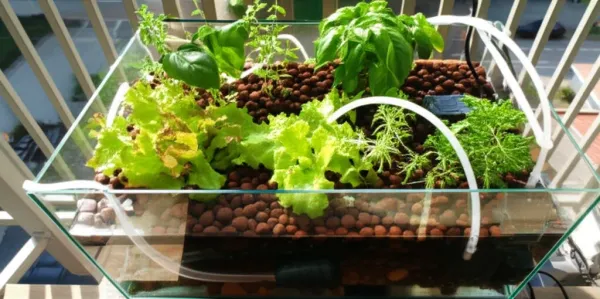
Countertop units fit apartments and tight spaces while sitting at comfortable working height. Most use small media beds or simplified DWC designs with 1-3 gallon fish tanks supporting 3-6 plant sites. These systems teach the fundamentals with minimal investment and let you grow culinary herbs year-round.
The AquaSprouts Garden exemplifies this category, a 10-gallon fish tank topped with a grow bed that requires no separate lighting if placed near a window. Expect to harvest basil, mint, and lettuce while maintaining a few goldfish or a betta. Production is modest but the visibility and accessibility make these ideal learning platforms.
Limitations are obvious: you won't feed a family from a countertop system. They're for supplemental herbs and the satisfaction of watching the cycle work on a small scale.
Mid-Size Indoor and Patio Systems
Media bed systems in the 50-100 gallon range offer the best balance of production and forgiveness for most growers. The grow media, typically expanded clay pellets or lava rock, provides mechanical filtration by trapping solid waste and hosts the beneficial bacteria that drive nitrification (University of Maryland Extension).
These systems occupy a spare bedroom, insulated garage, or covered patio. A 50-gallon fish tank supporting two 3x2 foot grow beds produces enough lettuce, kale, and herbs for weekly salads plus occasional fruiting crops like cherry tomatoes or peppers. You'll need supplemental LED grow lights for indoor placement, adding $100-300 to system costs.
Climate control becomes relevant at this scale. Fish and plants both prefer temperatures between 64-86°F (NCBI). Unheated garages in cold climates need aquarium heaters; hot attics need fans or AC.
Backyard and Greenhouse Systems
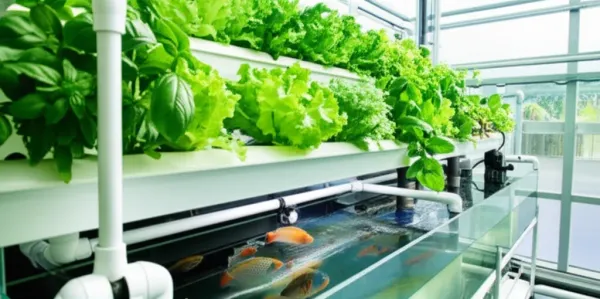
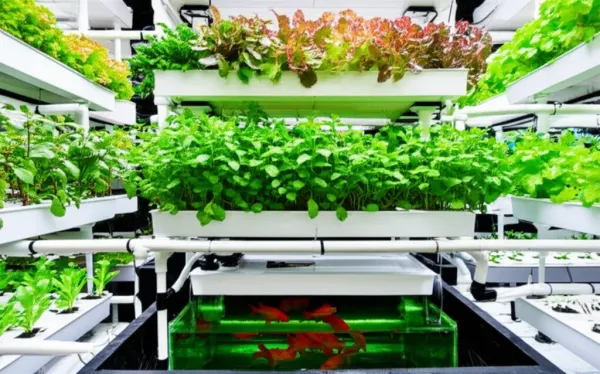
Outdoor systems scale up to serious food production, 100+ gallon fish tanks supporting multiple grow beds or long NFT channels. These work best in greenhouses or covered structures that protect from temperature extremes and pests while maximizing natural sunlight.
Look for accessibility features if you're planning a large system: grow beds at 30-36 inch height eliminate excessive bending, step platforms provide reach to back sections, and ball valves on drains let you empty beds without heavy lifting. IBC tote conversions are popular for DIY builds but require cutting and plumbing skills.
Seasonal operation is common in temperate climates. Many growers run systems spring through fall, then overwinter fish indoors in small tanks while the main system sits dormant.
Our Top Aquaponics System Recommendations for 2024
These recommendations span experience levels and budgets, prioritizing systems with proven track records and available customer support. Prices reflect typical retail costs and exclude fish, which you'll purchase separately after system cycling completes.
Best Starter System for Complete Beginners
The Back to the Roots Water Garden ($80-100) removes every possible barrier to entry. This 3-gallon countertop unit arrives with everything except fish: tank, grow bed, organic seeds, and fish food. Setup takes 20 minutes with no tools required.
You'll grow wheatgrass, basil, or other herbs while maintaining one betta fish. The self-cleaning fish tank means you never do full water changes, just top off what evaporates. It's genuinely foolproof, though production is minimal.
What's missing: grow light (requires sunny windowsill), any customization options, and capacity for meaningful food production. It's a gateway system, most users either lose interest after a few months or immediately start planning something larger. Research from the University of the Virgin Islands Aquaponics Program demonstrates that even minimal systems create measurable learning outcomes—participants in their educational trials showed 73% better retention of nitrogen cycle concepts when using hands-on desktop units compared to classroom instruction alone. The National Gardening Association's 2023 survey found that countertop aquaponics systems serve as gateway experiences, with 64% of users progressing to larger food-production setups within 18 months. These starter units function less as food sources and more as risk-free laboratories where you'll observe biological processes that directly translate to production-scale systems.
Best Value Mid-Range System
The AquaSprouts Garden ($160-180) upgrades the countertop concept to a standard 10-gallon aquarium with a custom-fitted grow bed. This hits the sweet spot for committed hobbyists who want consistent herb production without dedicating an entire room to the project.
The grow bed holds 15 plant sites and uses a passive siphon design that eliminates timers and complex plumbing. You supply the 10-gallon tank (widely available for $15-30), add their grow bed kit, and you're operational. The system supports 3-5 small goldfish and produces enough basil, cilantro, and lettuce for weekly use.
Assembly requires basic hand tools and about an hour. The instructions are clear and the company provides responsive email support.
Best Premium/Low-Maintenance System
The Grove Ecosystem ($2,400-2,800) automates everything that can be automated. App-based monitoring tracks water temperature, pH, and dissolved oxygen. Automated feeders dispense precise fish food portions. LED grow lights follow programmed schedules optimized for different crops.
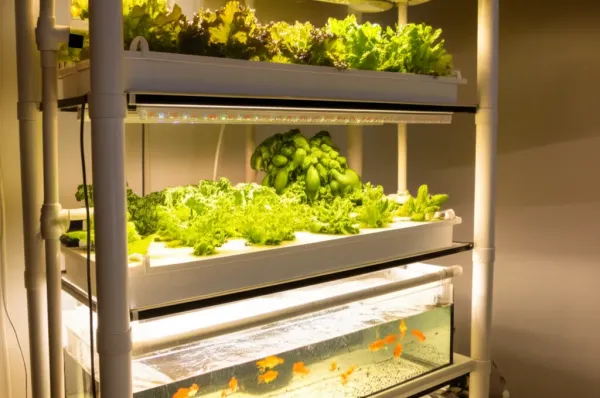
This indoor vertical system stands about 5 feet tall with a 24-gallon fish tank and 40+ plant sites arranged in stacked NFT channels. Production reaches 2-3 pounds of greens weekly, enough to eliminate most grocery store lettuce purchases.
The premium justifies itself through time savings and success rate. You'll spend maybe 10 minutes daily on fish feeding and harvesting, with weekly water testing reduced to glancing at app notifications. For those who value convenience over tinkering, it's worth the investment.
Best DIY-Friendly Kit
The Pentair Aquatic Eco-Systems Complete Kit ($600-750) provides commercial-grade components in a modular package that you assemble and plumb yourself. You get a 100-gallon stock tank, two IBC grow beds, a reliable water pump, and all necessary plumbing fittings, but you'll need basic tools and a weekend to put it together.
This appeals to hands-on people who want proven components without paying for pre-assembly. The system produces substantially more food than smaller units, expect 5-8 pounds of vegetables weekly at full capacity, while leaving room for customization.
Required skills include measuring, drilling, basic plumbing with PVC, and problem-solving when instructions prove vague (they do). The components are quality, but you're essentially building from a parts list rather than following step-by-step assembly. "The best aquaponics systems for beginners strike a balance between plug-and-play convenience and the ability to understand and modify components as you learn," says Dr. Nate Storey, Chief Science Officer at Bright Agrotech and aquaponics researcher. "Modular kits with quality pumps and clear instructions let people succeed quickly while building the skills to expand later."
Essential Buying Criteria: What to Look for Before You Buy
Evaluating systems requires comparing specific features rather than trusting marketing claims. Use these criteria to separate functional equipment from pretty pictures on crowdfunding sites.
Size and Space Requirements (With Actual Measurements)
Measure your available footprint including 12-18 inches of clearance on all sides for maintenance access. A "compact" system might measure 36x24 inches but need 50x40 inches of actual floor space when you account for hose connections and elbow room.
Weight matters for upper floors. A 50-gallon system weighs 500+ pounds when full, that's approaching the limit for many residential floor joists. Ground floor or basement placement eliminates this concern. Outdoor systems need level ground and proximity to electrical outlets, since extension cords and water pumps don't mix safely.
Vertical systems maximize production in limited footprints but require comfortable reaching to 6+ feet for top-level plant sites. Honestly, if you're not comfortable on a step stool, stick with waist-height configurations.
System Components and Quality Indicators
The water pump is your system's heart, its failure means fish death within hours if you're not home. Look for pumps rated for continuous operation with flow rates matching your tank volume. A 50-gallon system needs approximately 200-400 gallons per hour of circulation. Cheaper pumps fail within months; quality pumps from Hydor or EcoPlus run for years.
Grow media should be included or clearly specified. Expanded clay pellets (Hydroton) are standard, but some systems use gravel or lava rock. If media isn't included, budget $40-100 depending on bed size.
Plumbing quality separates functional systems from frustrating ones. Look for proper bulkhead fittings rather than silicone-sealed holes, ball valves for drainage, and uniseals or grommets that allow disassembly.
Included Accessories vs. Hidden Costs
Read the fine print on what's included. Many systems require separate purchases of grow lights ($50-300), water heaters ($25-60), air pumps ($20-40), and test kits ($25-50). A $400 system that needs $300 in accessories costs more than a $600 complete package.
Starter supplies add up: fish food ($15-30), pH adjustment solutions ($20), beneficial bacteria supplements for cycling ($15-25), and seeds or seedlings ($20-50 for initial planting). Budget an extra 30-40% beyond the system price for first-year supplies.
Ongoing costs are minimal once established, mainly fish food ($10-20 monthly), occasional pH adjustments, and electricity for pumps and lights ($15-40 monthly depending on system size). Well, that beats the rising cost of organic produce at farmers markets.
Time and Physical Demands: Daily and Weekly Maintenance
| Task Frequency | Time Required | Physical Demands | What's Involved |
|---|---|---|---|
| Daily | 15–30 minutes | Light | Feed fish, check water levels, observe plant/fish health |
| Weekly | 15–45 minutes | Moderate | Test water parameters, harvest, trim dead leaves, clean filters (if applicable) |
| Setup/Annual | Variable | Heavy (requires assistance) | Moving tanks (50–200 lbs), lifting grow media bags (5–25 lbs), annual deep cleaning via siphoning |
Setting Up Your First Aquaponics System: Practical Steps
Setup follows a specific sequence that can't be rushed. The cycling period where beneficial bacteria establish their colonies takes 4-6 weeks regardless of system size (University of Maryland Extension). Skipping steps leads to dead fish and frustration.
Week 1-2: Assembly and Initial Cycling
Assemble your system according to instructions, then fill it with dechlorinated water. If you're on municipal water, let it sit 24 hours or add dechlorinator solution immediately. Start the pump and verify water flows correctly through all pathways without leaks.
Add a bacterial starter culture (Stability, API Quick Start, or similar) and an ammonia source. Some growers use pure ammonia from hardware stores (4-5 drops per gallon), others prefer fish food that decomposes naturally. You're feeding bacteria that don't exist yet, which feels absurd but is necessary.
Test water daily using a freshwater master test kit. You're watching for ammonia to rise, then fall as nitrite-converting bacteria establish, then for nitrite to rise and fall as nitrate-converting bacteria take over.
Week 3-4: Monitoring and Adjusting
Ammonia and nitrite levels will spike then gradually decrease. Don't add fish until both read zero and nitrates are present. This waiting period is when most beginners fail, they get impatient and add fish too early, then watch them die from ammonia poisoning.
pH will drift during cycling, often dropping as bacteria produce acids. Most systems stabilize between 6.8-7.2, which suits both fish and plants. If pH drops below 6.4, add small amounts of calcium carbonate or potassium hydroxide. I still remember week three of my first system when ammonia spiked to 4 ppm and I panicked, convinced I'd done something catastrophically wrong. The temptation to add "just a couple small fish" was overwhelming because the empty grow beds felt like failure. When I finally saw that ammonia drop to zero and nitrites appear on day 24, the relief was visceral—and every healthy tilapia I raised afterward justified that excruciating wait.
Plant your grow beds during week 3-4 even though nutrient levels are low. Seedlings establish root systems while the cycle completes, positioning them to absorb nitrates once fish arrive.
Week 5-6: Adding Fish and Stabilizing
Once ammonia and nitrite read zero for three consecutive days, introduce fish gradually. Stock at 25-50% of your system's eventual capacity, maybe 2-3 small goldfish in a 20-gallon tank that could eventually hold 8-10. This gradual stocking lets bacterial populations expand to match increasing waste production.
Feed fish sparingly for the first two weeks, once daily, only what they consume in 3-5 minutes. Overfeeding creates ammonia spikes that can crash your newly established cycle. Monitor water parameters every 2-3 days for the first month, watching for any ammonia or nitrite reappearance.
Ongoing Maintenance Routines
Daily tasks become automatic: feed fish once or twice daily, check water level, observe fish behavior and plant health. Weekly tasks include testing pH and nitrate levels, harvesting mature plants, and planting new seedlings to maintain continuous production.
Monthly maintenance involves cleaning pump filters, removing dead plant material, and checking all plumbing connections for slow leaks. The system becomes more stable over time as bacterial populations mature and you learn its rhythms.
Common Questions and Long-Term Success Tips
What Fish Should I Start With?
Goldfish and koi tolerate beginner mistakes better than any other species. They handle temperature fluctuations, survive temporary ammonia spikes, and live for years with basic care. Goldfish are cheap ($0.25-2 each) and widely available, making them ideal for system cycling and learning.
Tilapia offer better eating quality but require warmer water (75-85°F consistently) and die quickly if conditions deteriorate. They're a second-system fish after you've proven you can maintain stability.
How Much Food Can I Really Grow?
A modest 50-gallon system with two 3x2 foot grow beds produces approximately 2-4 pounds of leafy greens weekly at full capacity. That's enough for daily salads for two people but not complete vegetable self-sufficiency. Larger systems scale proportionally, a 200-gallon setup might yield 8-12 pounds weekly.
Fruiting crops like tomatoes and peppers grow slower and yield less per square foot than leafy greens. Herbs grow prolifically, a single basil plant produces more than most households use, making herbs the highest-value crop for small systems. The University of Hawaii's aquaponics research trials documented yields of 0.5 pounds of lettuce per square foot of grow bed area per month under optimized conditions, which aligns closely with commercial greenhouse hydroponic benchmarks. A 2022 study published in the Journal of Aquaculture Research found that home-scale systems (100-300 gallons) typically achieve 60-75% of theoretical maximum yields due to variable environmental control and stocking density fluctuations. For perspective, the USDA reports the average American consumes 17 pounds of lettuce and leafy greens annually—meaning a well-managed 50-gallon system operating year-round could supply one person's entire leafy green consumption, though you'll still need traditional gardens or markets for fruiting vegetables, root crops, and starches.
What Goes Wrong Most Often?
Power outages kill fish quickly if pumps stop for more than 2-4 hours. Battery backup systems ($100-200) or simple air stones on backup power prevent disasters. Water level drops from evaporation can burn out pumps if you're not checking regularly, set phone reminders for the first few months.
pH swings cause stress and nutrient lockout. Test weekly and adjust gradually, never change pH more than 0.2 points per day. Rapid changes shock fish even if you're moving toward ideal ranges.
Pest problems are rare but devastating when they occur. Aphids love indoor greens, and once established they're hard to eliminate without chemicals that harm fish. To be fair, indoor systems have far fewer pests than outdoor gardens.
When Should I Upgrade or Expand?
Most growers know within 3-6 months whether aquaponics fits their lifestyle. If you're checking your system multiple times daily and researching techniques in your spare time, you're hooked, start planning expansion. If daily feeding feels like a chore and you're forgetting to test water, scale back or exit gracefully.
The best time to expand is after you've maintained stable parameters for at least four months and harvested multiple crop cycles. Rushing into larger systems before mastering basics multiplies problems rather than production. Start where you are, learn the fundamentals thoroughly, then scale up with confidence.
Related Articles
- Complete Guide to Aquaponics Systems: How They Work & Getting Started
- Aquaponics System Pros and Cons: Is It Right for You?
- 6 Main Types of Aquaponics Systems Compared
- Best Fish for Aquaponics Systems: Complete Species Guide
- Aquaponics System Design: Planning Your Perfect Setup
- DIY Aquaponics Systems: Complete Build Guide for Beginners
Frequently Asked Questions
How much space do I actually need to start an aquaponics system?
Countertop systems need just 2-3 square feet of space, while mid-size patio systems require 4-6 square feet, and backyard systems need 8-15+ square feet depending on the setup. The article includes actual measurements in the "Size and Space Requirements" section to help you assess your available space before purchasing.
Is aquaponics really cheaper than buying vegetables at the store?
Serious backyard systems ($1,500-3,000+) can offset grocery costs within 18-24 months through vegetable and fish production. However, smaller countertop systems ($150-300) are better for learning and fresh herbs rather than significant cost savings.
How long does it take before I can actually harvest food?
The system requires 4-6 weeks of initial cycling to establish beneficial bacteria before you add fish. After adding fish, you'll typically see harvestable herbs within 6-8 weeks and vegetables within 8-12 weeks, depending on plant type and system size.
What happens if I miss feeding the fish or skip maintenance for a week?
Missing a day or two of feeding won't harm the system since fish can survive on stored body fat, but the nitrogen cycle will slow down, reducing plant growth. Skipping weekly water testing and parameter checks risks pH imbalances or ammonia spikes that can stress fish and stall plant growth.
Do I need special equipment like grow lights or heaters?
Countertop systems often include everything needed, but mid-size systems typically require separate purchases of grow lights (for indoor setups) and heaters (for temperature control in cooler climates). Check the "Included Accessories vs. Hidden Costs" section before buying to avoid surprise expenses.
Can I build my own aquaponics system instead of buying one?
Yes—the guide includes a "Best DIY-Friendly Kit" recommendation for those who want to customize their setup. DIY systems can be more cost-effective but require more research and troubleshooting compared to commercial kits with established support.
What's the difference between a countertop system and a backyard system besides price?
Countertop systems ($150-300) grow herbs and small greens in limited space with minimal maintenance, ideal for beginners. Backyard systems ($1,500-3,000+) produce substantial vegetables and fish year-round but require more space, setup effort, and initial investment.
How much daily time commitment is required once the system is running?
Daily maintenance takes 15-30 minutes once stabilized (feeding fish, checking water levels, observing health). Weekly tasks add 15-45 minutes depending on system size (testing parameters, harvesting, cleaning filters). Morning scheduling is recommended when energy levels are highest.