Best Aquaponics Systems: 2024 Reviews & Buying Guide
Understanding Aquaponics Systems: What You're Actually Getting Into
The best aquaponics system for 2024 depends on your space, budget, and commitment level, countertop systems start around $100 for herb gardens, while serious food production setups run $1,500-$2,000 and require dedicated floor space. Before you invest in any system, you need to understand what aquaponics actually demands in terms of time, physical effort, and realistic food yields.
Table of Contents
- Understanding Aquaponics Systems: What You're Actually Getting Into
- How Aquaponics Systems Work (The Simple Version)
- Time and Physical Requirements: The Reality Check
- What You Can Realistically Grow and Harvest
- Our Top Aquaponics System Recommendations for 2024
- Best Countertop System for Apartments and Small Spaces
- Best Mid-Size System for Hobby Growers
- Best Large System for Serious Food Production
- Best Budget-Friendly Starter System
- Key Features to Compare When Choosing Your System
- System Size and Space Requirements
- Setup Complexity and Installation Help
- Maintenance Accessibility and Ongoing Care
- Cost Beyond the Initial Purchase
- Three Main Types of Aquaponics Systems Explained
- Media-Based Systems (Best for Beginners)
- Nutrient Film Technique (NFT) Systems
- Deep Water Culture (DWC) Systems
- Common Problems and How to Avoid Them
- pH Fluctuations and Water Chemistry Issues
- Fish Health and Stocking Density Mistakes
- Plant Nutrient Deficiencies
- Getting Started: Your First 90 Days With an Aquaponics System
- Days 1-14: System Setup and Fishless Cycling
- Days 15-45: Adding Fish and First Plants
- Days 46-90: Optimization and First Harvest
How Aquaponics Systems Work (The Simple Version)
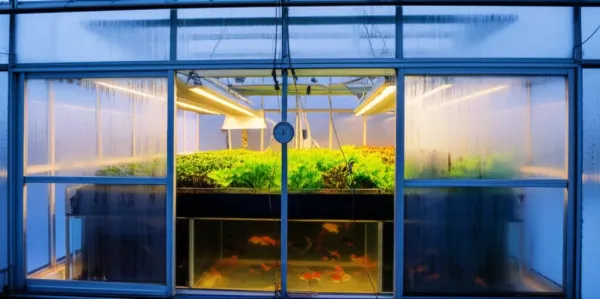
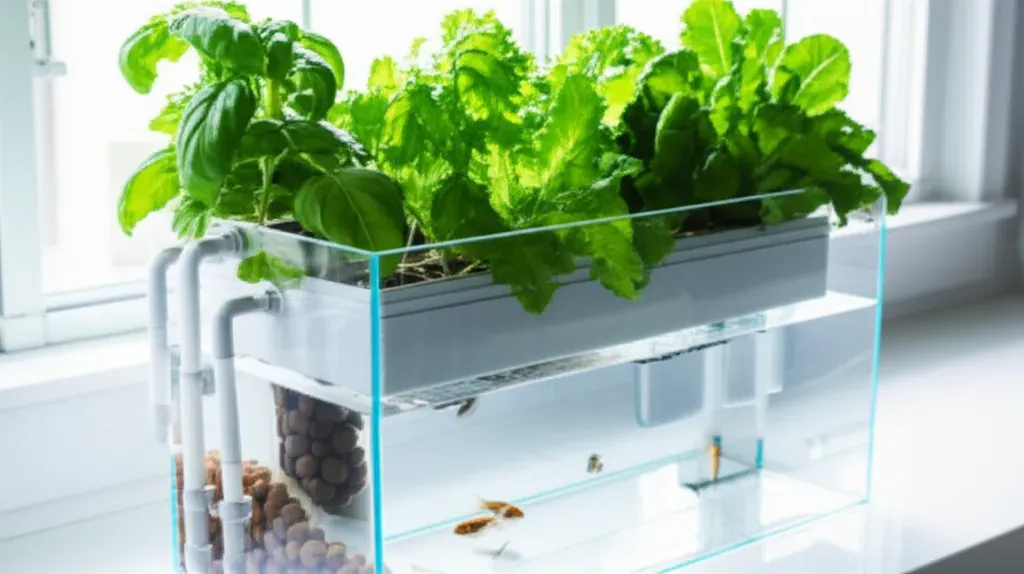
Here's the thing: aquaponics merges fish tanks with plant beds in a harmonious loop of water recycling. Fish produce waste that contains ammonia, beneficial bacteria convert that ammonia into nitrates, and plants absorb those nitrates as fertilizer while cleaning the water that returns to the fish tank (USDA). The cycle runs automatically once established, but you'll feed fish daily and monitor water chemistry weekly.
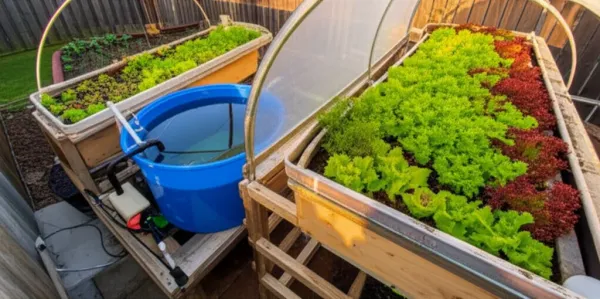
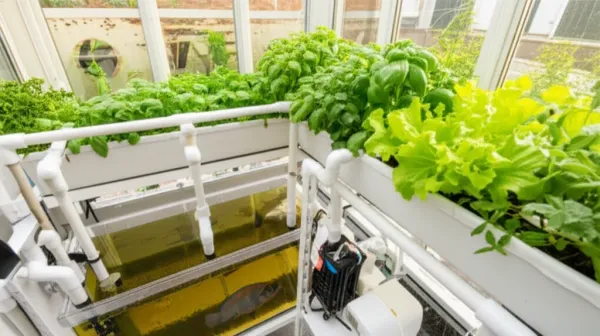
Think of it as keeping an aquarium and a garden that help each other survive. The fish tank sits below or beside grow beds where plants root in clay pellets or float on rafts. A pump circulates water from fish to plants and back again, creating a miniature ecosystem in your home or yard.
Time and Physical Requirements: The Reality Check
Daily tasks take 10-15 minutes: feeding fish, checking water levels, and observing plant health. Weekly maintenance adds another 30-60 minutes for water testing, cleaning filters, and harvesting mature crops (University of Hawaii). Honestly, the physical demands catch many beginners off guard.
Lifting 20-40 pound bags of clay media during setup, reaching into deep tanks to remove debris, and bending to access lower components all require basic mobility and strength. I've watched newcomers underestimate the physical side of aquaponics—lifting 5-gallon buckets of water during emergency top-offs, kneeling beside grow beds to transplant seedlings, and hoisting 40-pound bags of fish feed into storage bins. My lower back learned this lesson when I installed my second system without planning proper access points around the tanks. If you're planning a vacation, you'll need someone to feed fish daily, automatic feeders work for weekends but not extended trips.
The initial setup demands the most effort. Assembling frames, positioning heavy water-filled tanks, and plumbing connections can take 4-8 hours for small systems or a full weekend for larger setups. Many growers over 60 hire help for the initial installation.
What You Can Realistically Grow and Harvest
Small countertop systems produce 8-12 servings of fresh herbs or lettuce monthly. Mid-size systems yield 20-25 kg of leafy greens and herbs annually per square meter, along with 15-20 kg of fish (Nature journal). Marketing photos showing abundant tomatoes and peppers rarely mention these crops need larger systems and months to mature.
Leafy greens, herbs, and smaller vegetables succeed because they mature in 4-6 weeks and tolerate the pH range fish require. Fruiting plants like tomatoes and peppers grow slowly in aquaponics and produce less than soil gardens unless you're running a sophisticated system with careful nutrient supplementation.
Your first harvest won't happen for 6-8 weeks minimum. The system needs 3-6 weeks to establish the bacterial colonies that convert fish waste into plant food, then plants need time to grow (University of Hawaii). Budget systems and unrealistic expectations cause most first-year failures.
Our Top Aquaponics System Recommendations for 2024
Best Countertop System for Apartments and Small Spaces
The AquaSprouts Garden costs $160-180 and fits on any standard 10-gallon aquarium, making it the most accessible entry point for apartment dwellers. The system measures 22" x 11" x 14" when assembled and weighs about 90 pounds when filled, well within the capacity of most furniture and floors.
Aquaponics System Comparison: Size, Cost, and Yield
| System Type | Price Range | Space Requirements | Monthly/Annual Yield | Best For |
|---|---|---|---|---|
| Countertop (AquaSprouts) | $160-180 | 22" x 11" x 14" (fits standard desk/table) | 6-8 servings herbs/month | Apartments, small spaces, beginners |
| Mid-Size Hobby System | $500-1,000 | 4-6 sq ft floor space | 20-25 kg greens/year + 15-20 kg fish/year | Home gardeners with dedicated space |
| Large Food Production | $1,500-2,000 | 20+ sq ft floor space | 50+ kg greens/year + 30+ kg fish/year | Serious growers, families seeking food security |
| Budget Starter System | $100-300 | 2-4 sq ft floor space | 4-6 servings herbs/month | Cost-conscious beginners testing commitment |
Setup takes 30-45 minutes with no tools required, you simply place the grow bed on top of your aquarium and connect the included pump. The pump runs silently enough for bedrooms, though the trickling water creates gentle white noise some people find soothing. You'll harvest 6-8 servings of basil, lettuce, or other herbs monthly once established, enough to supplement cooking but not replace grocery store produce.
Best Mid-Size System for Hobby Growers
The ECO-Cycle Aquaponics Kit ($400-450) bridges the gap between countertop novelty and serious food production. This 20-gallon system includes everything needed: tank, grow bed, pump, media, and detailed instructions that assume no prior experience.
The 36" x 18" footprint fits on a sturdy table or dedicated stand in a spare room, covered patio, or garage. One person can assemble it in 2-3 hours, though the 30-pound bag of grow media requires some lifting. Weekly maintenance stays manageable because the media bed filters effectively and the 20-gallon volume provides stability against pH swings that plague smaller systems.
Best Large System for Serious Food Production
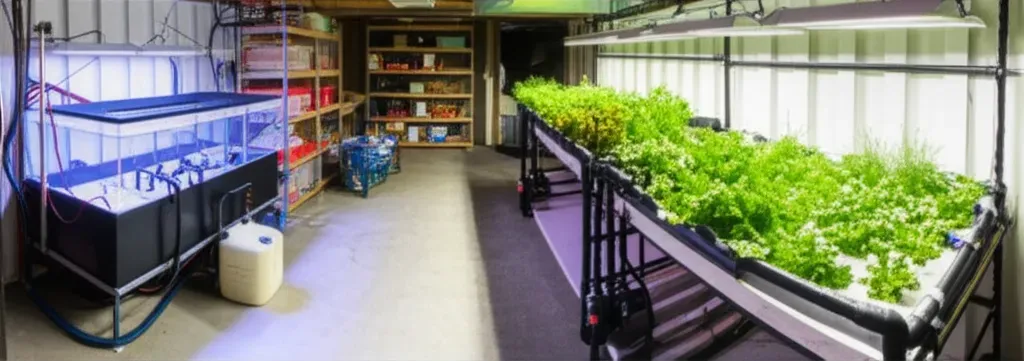
The AquaBundance Deluxe Patio System ($1,795) represents a genuine commitment to home food production. The 100-gallon fish tank and dual grow beds occupy an 8' x 4' footprint and produce enough greens and herbs to meaningfully reduce grocery bills, expect 40-60 pounds of produce annually once you've optimized plant selection and timing.
Setup requires two people and 6-8 hours because you're assembling a substantial structure and moving components that weigh 50+ pounds when filled. The system includes commercial-grade pumps and plumbing designed for years of continuous operation. Monthly electricity costs run $15-25 depending on local rates, and you'll stock the tank with 15-20 tilapia that reach harvest size in 6-9 months.
Best Budget-Friendly Starter System
The Back to Roots Water Garden ($60-80) costs less than a nice dinner out and teaches the fundamental concepts without major financial risk. This 3-gallon aquarium with integrated grow bed fits on kitchen counters and produces small amounts of herbs or microgreens, think garnish quantities, not salad bowls.
The compromises are obvious: the tiny water volume means temperature and chemistry fluctuate rapidly, you can only keep one or two small goldfish, and plant selection is limited to shallow-rooted herbs. But for testing whether aquaponics fits your lifestyle before investing in larger systems, it's a low-stakes learning opportunity.
Key Features to Compare When Choosing Your System
System Size and Space Requirements
Measure your available space, then subtract 18 inches on all sides for access, you'll need to reach the back of the tank for maintenance and cleaning. Floor loading matters more than most beginners realize. A 50-gallon system weighs 500+ pounds when filled with water, media, and equipment, which exceeds the capacity of some upper-floor apartments or wooden decks.
Vertical clearance affects lighting options and plant height. Indoor systems need 24-36 inches of clearance above grow beds for lights and mature plants. Well, outdoor systems avoid lighting costs but require protection from temperature extremes and predators depending on your climate.
Setup Complexity and Installation Help
Pre-assembled systems cost 30-50% more than DIY kits but eliminate the frustration of plumbing mistakes and missing components. If you've never worked with PVC pipe or aquarium equipment, the premium for a plug-and-play system often proves worthwhile.
Consider your tool access and skills honestly. Basic systems need screwdrivers and adjustable wrenches. Larger custom builds may require PVC cutters, drills, and silicone sealant application. Many suppliers offer phone support, but troubleshooting plumbing leaks remotely frustrates everyone involved. I made every plumbing mistake possible on my first DIY build—reversed bulkheads that dripped for weeks, a bell siphon that gurgled but never flushed, and three trips to the hardware store for fittings I'd measured incorrectly. When I finally assembled a pre-built system two years later, I finished setup in four hours instead of four weekends and spent that saved time actually growing food.
Maintenance Accessibility and Ongoing Care
Daily feeding requires reaching into or over the tank, which becomes difficult if the tank sits on the floor or above shoulder height. The best systems position the fish tank at waist level for easy access without bending or stretching.
Filter cleaning frequency depends on fish load and feeding rates, expect monthly cleanings for small systems, weekly for heavily stocked tanks. Removable filters that don't require draining the tank save considerable effort. Backup systems matter if you're raising valuable fish or depending on the food production. A battery-powered air pump ($25-40) keeps fish alive during power outages.
Cost Beyond the Initial Purchase
Monthly operating costs include electricity for pumps and lights ($8-35), fish food ($5-15), and occasional water testing supplies ($10-20 for a kit lasting several months). Annual expenses add replacement fish if you harvest for eating, seeds or seedlings for continuous planting, and eventual equipment replacements like pumps that last 2-4 years.
Calculate $15-30 monthly for small systems, $40-80 for mid-size setups, and $80-150 for large production systems. These numbers assume you're not supplementing nutrients, which some growers do to boost fruiting plant performance. The payback period depends entirely on what you grow and what you'd otherwise pay for those items.
Three Main Types of Aquaponics Systems Explained
Media-Based Systems (Best for Beginners)
Media-based systems use grow beds filled with expanded clay pellets, lava rock, or similar porous material that supports plant roots and houses beneficial bacteria. Water floods the bed periodically, delivering nutrients to plants, then drains back to the fish tank in a continuous cycle (University of Maryland Extension).
This design forgives mistakes better than other types because the media provides large surface area for bacterial colonization and mechanical filtration of solid waste. You can grow virtually any plant that fits the bed depth, from lettuce to tomatoes. Most systems under $500 use this approach because it's mechanically simple and reliable.
Nutrient Film Technique (NFT) Systems
NFT systems pump a thin film of nutrient-rich water through sloped channels or pipes where plant roots dangle into the flow. These systems excel at producing leafy greens and herbs quickly because roots access oxygen and nutrients simultaneously without waterlogging.
The tradeoff is vulnerability, pump failures or clogs can kill plants in hours because roots dry out rapidly. NFT systems also require separate mechanical filtration since solid fish waste clogs the narrow channels. Experienced growers choose NFT for maximum greens production, beginners should start elsewhere.
Deep Water Culture (DWC) Systems
DWC systems float plant rafts on deep tanks of fish-fertilized water, with roots suspended directly in the nutrient solution. Commercial aquaponics operations favor this design for lettuce and herbs because it's simple to scale and harvest.
Home versions work well for dedicated greens production but offer less versatility than media beds, you can't grow root vegetables or support heavy fruiting plants on rafts. The large water volume provides excellent temperature stability, but you'll need separate solids filtration and careful attention to dissolved oxygen levels.
Aquaponics System Types: Features and Suitability
| System Type | How It Works | Best Plants | Maintenance Level | Ideal User |
|---|---|---|---|---|
| Media-Based | Plants root in clay pellets; water floods/drains grow beds cyclically | Leafy greens, herbs, small vegetables | Moderate (filter cleaning required) | Beginners, versatile growers |
| Nutrient Film Technique (NFT) | Thin film of water flows continuously over plant roots in channels | Leafy greens, herbs (shallow-rooted crops) | Higher (channel clogs possible) | Experienced growers, space-conscious setups |
| Deep Water Culture (DWC) | Plant roots suspend in oxygenated water; minimal substrate | Leafy greens, lettuce, basil | Moderate (requires strong aeration) | Intermediate growers, high-yield focus |
Common Problems and How to Avoid Them
pH Fluctuations and Water Chemistry Issues
Fish thrive at pH 6.5-7.5 while most plants prefer 6.0-6.5, creating a balancing act that frustrates new growers (Michigan State University Extension). The pH naturally drifts downward as bacteria produce nitric acid during the nitrogen cycle, requiring periodic adjustment with pH-up solutions or crushed coral in the media bed.
Test pH weekly during the first three months, then every two weeks once the system stabilizes. Sudden pH swings indicate problems, usually overfeeding, inadequate biofiltration, or dead plant matter decomposing in the system. Small, gradual adjustments work better than large corrections that shock fish and bacteria.
Ammonia and nitrite spikes kill fish quickly in new systems. Test both parameters every 2-3 days during the critical 4-6 week cycling period. If ammonia exceeds 2 ppm or nitrite exceeds 1 ppm, reduce feeding immediately and perform a 20% water change. "The pH sweet spot for aquaponics is 6.8 to 7.0, which represents a compromise between the needs of fish, plants, and bacteria," says Dr. James Rakocy, retired Professor of Aquaponics at the University of the Virgin Islands and pioneer of commercial aquaponics systems.
Fish Health and Stocking Density Mistakes
Overstocking ranks as the top killer of home aquaponics fish. The rule of thumb allows one pound of fish per 5-7 gallons of water, but beginners often stock to the maximum immediately instead of building up slowly as the bacterial colonies mature.
Start with half your target fish population and add more only after ammonia and nitrite readings stay at zero for two consecutive weeks. Tilapia and goldfish tolerate beginner mistakes better than trout or bass, which require colder water and pristine conditions (Michigan State University Extension).
Watch for gasping at the surface, which signals low dissolved oxygen. Adding an air stone or increasing water circulation usually solves this. Clamped fins, white spots, or unusual behavior warrant immediate attention, fish diseases spread rapidly in closed systems.
Plant Nutrient Deficiencies
Aquaponics water lacks some nutrients found in soil or hydroponic solutions, particularly iron, calcium, and potassium. Yellow leaves with green veins indicate iron deficiency, while blossom end rot on tomatoes signals calcium shortage.
Chelated iron supplements added monthly prevent most deficiency issues in leafy greens. Fruiting plants often need calcium and potassium supplementation to perform well. Some growers accept lower yields on fruiting plants rather than complicate their systems with additional inputs.
Getting Started: Your First 90 Days With an Aquaponics System
Days 1-14: System Setup and Fishless Cycling
Assemble your system completely before adding fish. Fill with dechlorinated water, add a bacterial starter culture, and begin fishless cycling by adding pure ammonia or fish food to the empty tank. This feeds the developing bacterial colonies without risking fish lives.
Test water daily and track ammonia, nitrite, and nitrate levels. You'll see ammonia rise, then fall as nitrite-producing bacteria establish. Nitrite will spike next, then decline as nitrate-producing bacteria colonize. The cycle completes when you can add ammonia and see it convert to nitrate within 24 hours with no ammonia or nitrite remaining.
Days 15-45: Adding Fish and First Plants
Stock fish at half your target density once cycling completes. Feed sparingly, just what they'll consume in 5 minutes once daily. Add hardy seedlings like lettuce, basil, or chard rather than starting from seed, which takes longer and provides less immediate filtration.
Monitor water parameters every 2-3 days. The system will fluctuate as it adjusts to the bioload. Small, frequent water changes (10-15%) help stabilize chemistry while beneficial bacteria continue multiplying. Expect some plant yellowing during this transition period.
Days 46-90: Optimization and First Harvest
Gradually increase feeding as plants grow and bacterial populations mature. You'll harvest your first leafy greens around day 60-75, creating space for new seedlings in a continuous production cycle.
By day 90, you should have stable water parameters, healthy fish growth, and a feel for your system's rhythm. This is when aquaponics shifts from anxious monitoring to enjoyable routine. Around day 65, I harvested my first butterhead lettuce and immediately understood why experienced growers talk about 'continuous cycling'—those empty net pots practically begged for new seedlings, and I kicked myself for not starting a second batch of transplants three weeks earlier. The система teaches you to think in overlapping timelines rather than single harvests. Start experimenting with new plant varieties and fine-tuning your feeding schedule based on what you've learned about your specific setup.
Related Articles
- Complete Guide to Aquaponics Systems: How They Work & Getting Started
- Types of Aquaponics Systems: Design Methods & Best Practices
- 6 Main Types of Aquaponics Systems Compared
- Aquaponics System Pros and Cons: Is It Right for You?
- Best Fish for Aquaponics Systems: Complete Species Guide
- Aquaponics System Design: Planning Your Perfect Setup
Frequently Asked Questions
How much does it cost to set up an aquaponics system?
Countertop herb garden systems start around $100, mid-size hobby systems range from $500-$1,000, and serious food production setups cost $1,500-$2,000 or more. Don't forget additional costs for fish feed, replacement parts, and water testing supplies beyond the initial purchase.
How much time do I need to spend maintaining an aquaponics system daily?
Daily maintenance takes 10-15 minutes for feeding fish, checking water levels, and observing plant health. Weekly tasks add another 30-60 minutes for water testing, filter cleaning, and harvesting. Plan for 4-8 hours during initial setup.
What can I realistically grow in an aquaponics system?
Leafy greens and herbs are most successful, producing 8-12 servings monthly in small systems. Mid-size systems yield 20-25 kg of leafy greens annually per square meter. Fruiting plants like tomatoes and peppers grow slowly and produce less than in soil gardens unless you have a large, sophisticated system.
How long before I can harvest food from my first aquaponics system?
Your first harvest won't occur for 6-8 weeks minimum. The system needs 3-6 weeks to establish beneficial bacteria that convert fish waste into plant nutrients, then plants require 4-6 weeks to mature. Unrealistic expectations about early harvests are a major cause of first-year failures.
What physical demands should I expect from aquaponics?
You'll lift 20-40 pound bags of clay media during setup, reach into tanks to remove debris, bend to access lower components, and kneel to transplant seedlings. Initial installation requires basic mobility and strength; many growers over 60 hire help for setup. Plan for proper access points around tanks to avoid strain injuries.
Can I leave my aquaponics system unattended while on vacation?
Fish need daily feeding, so you'll need someone to care for your system or use automatic feeders for weekends. Automatic feeders work for short trips but aren't reliable for extended vacations, making them impractical for longer absences.
What are the three main types of aquaponics systems?
Media-based systems (best for beginners) use clay pellets as growing medium, Nutrient Film Technique (NFT) systems use thin water films over channels, and Deep Water Culture (DWC) systems suspend plant roots directly in water. Each has different complexity levels and space requirements.
What common problems should I watch out for in aquaponics?
pH fluctuations and water chemistry imbalances are frequent issues requiring weekly monitoring. Fish health problems from overstocking and plant nutrient deficiencies also commonly occur. The article covers how to avoid these mistakes during your first 90 days of operation.