Starting an Aquaponics Business: Complete Guide & Resources
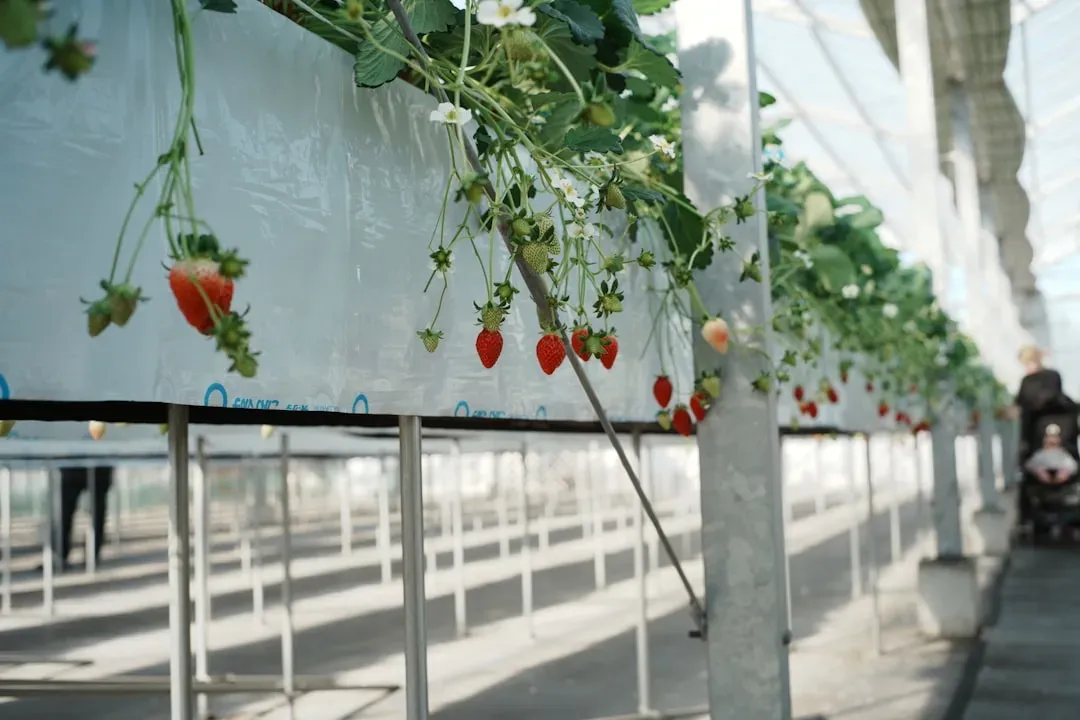
Starting an aquaponics business requires $5,000 to $150,000+ in startup capital depending on scale, plus expertise in both fish farming and plant cultivation to achieve profitability. Success depends on selecting the right business model, conducting thorough market research, and creating multiple revenue streams to offset the technical complexity and energy costs that challenge many operations.
Table of Contents
- Understanding Aquaponics Business Fundamentals and Profitability
- What Makes Aquaponics Different from Traditional Farming
- Common Profitability Challenges and How to Overcome Them
- Viable Business Models for Aquaponics Operations
- Determining Your Startup Costs and Securing Financing
- Complete Startup Cost Breakdown by System Size
- Ongoing Operational Expenses to Budget For
- Financing Options and Grant Opportunities
- Creating Your Aquaponics Business Plan and Market Strategy
- Conducting Local Market Research and Demand Analysis
- Developing Your Revenue Model and Pricing Strategy
- Selecting Profitable Crops and Fish Species
- Most Profitable Crops for Commercial Aquaponics
- Choosing the Right Fish Species for Your System
- Setting Up Your Commercial Aquaponics System
- Choosing Your System Design and Components
- Location Selection and Facility Requirements
- Food Safety and Regulatory Compliance
- Launching Operations and Scaling Your Business
- System Cycling and Initial Production
- Marketing and Customer Acquisition Strategies
- Tracking Performance and Optimizing Profitability
The path from hobbyist to commercial grower involves careful planning across financing, system design, crop selection, and customer acquisition. Your location, target market, and available capital will shape which business model fits your situation, whether that's direct-to-consumer sales at farmers markets, wholesale partnerships with restaurants, or educational agritourism that generates income while you build production capacity.
Understanding Aquaponics Business Fundamentals and Profitability
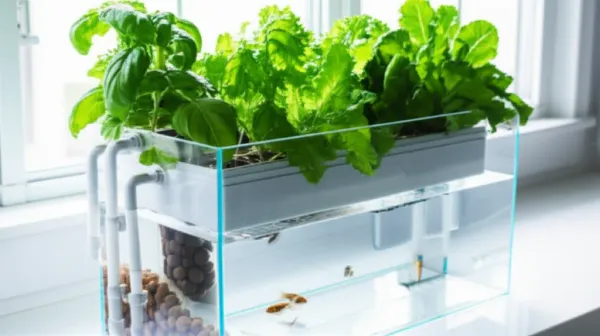
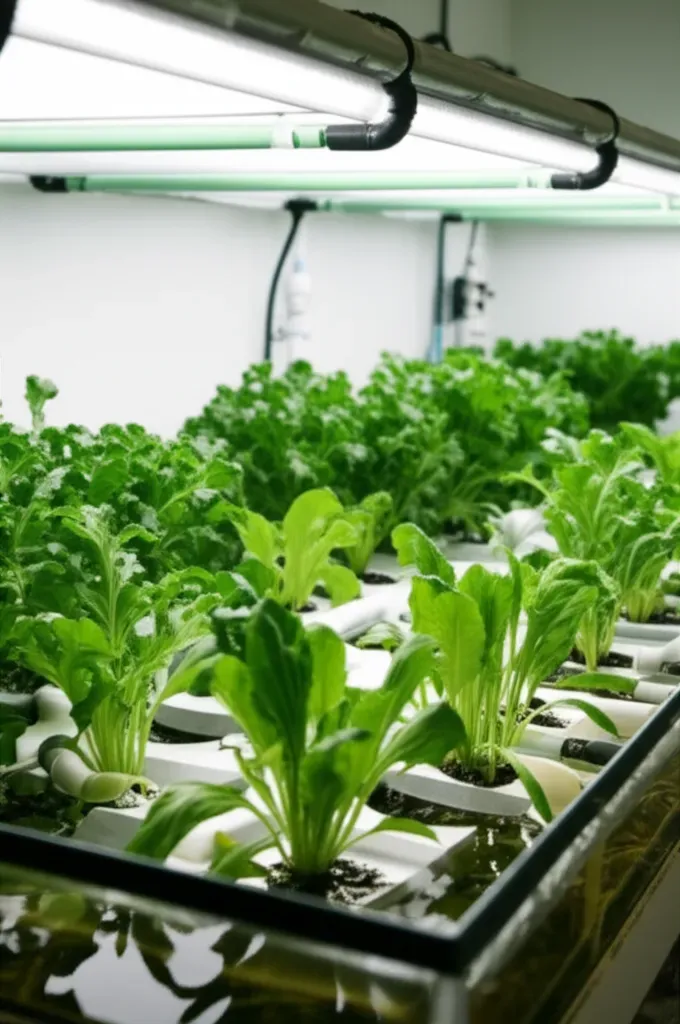
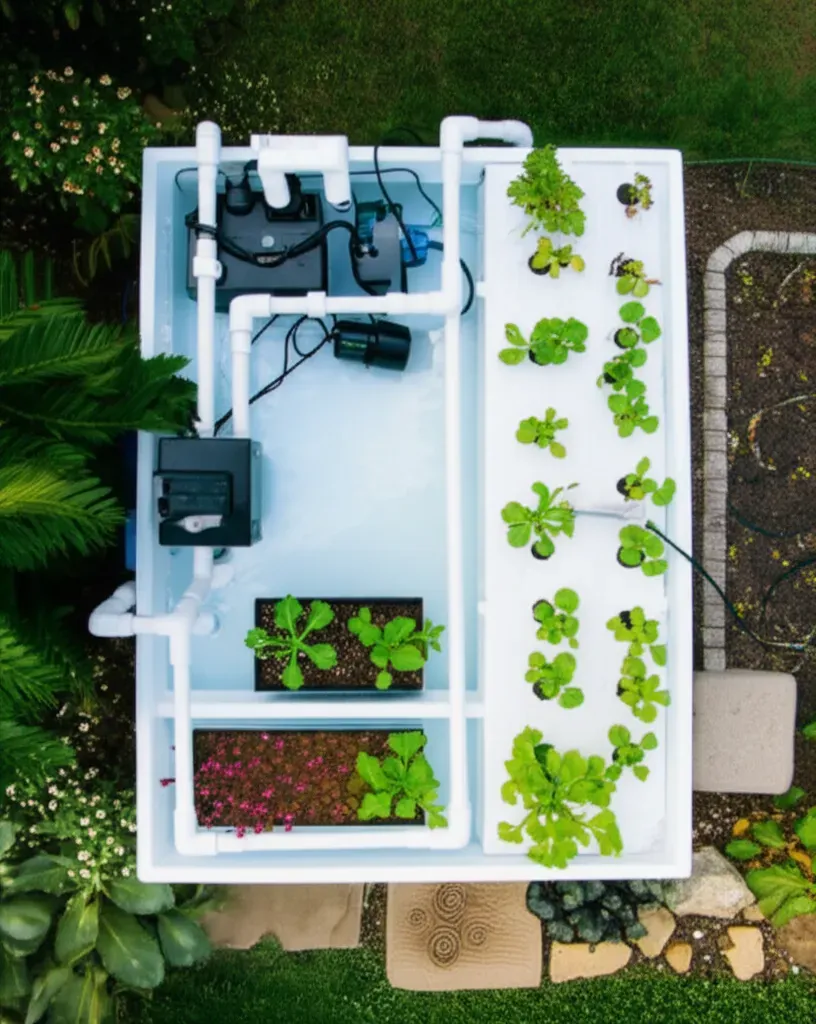
Aquaponics combines fish farming with soilless plant cultivation in a closed-loop system where fish waste provides nutrients for plants, and plants filter water for fish (USDA). This symbiotic relationship creates a self-regulating ecosystem that produces both protein and vegetables from the same water input.
What Makes Aquaponics Different from Traditional Farming
The nitrogen cycle drives your entire operation. Fish excrete ammonia, beneficial bacteria convert that ammonia into nitrites and then nitrates, and plants absorb those nitrates as fertilizer while cleaning the water. This biological process eliminates the need for synthetic fertilizers and reduces water consumption by up to 90% compared to conventional agriculture (USDA).
Year-round production gives you a competitive advantage in northern climates. Controlled environment growing means you're harvesting lettuce in January and basil in December, capturing premium prices when field-grown produce is scarce or shipped from distant regions. Growth rates often exceed soil-based farming because plants receive optimal nutrition and consistent conditions without weather disruptions.
Common Profitability Challenges and How to Overcome Them
High startup costs represent the first barrier most aspiring growers face. Greenhouse structures, fish tanks, grow beds, plumbing systems, and backup equipment require significant capital before you harvest your first crop. If you're starting small, well, you can phase your investment by beginning with a backyard system to develop skills before committing to commercial infrastructure.
Technical complexity demands dual expertise in aquaculture and horticulture (NCAT). You're managing water chemistry, fish health, plant nutrition, pest control, and mechanical systems simultaneously. Many growers discover that their background in gardening didn't prepare them for troubleshooting pump failures or diagnosing fish diseases. Overcome this through structured training programs and mentorship from experienced operators before you invest heavily.
Energy expenses for pumps, heaters, and climate control can consume 30-40% of gross revenue in cold climates. Your profitability hinges on system efficiency and renewable energy integration. Solar panels, high-efficiency LED grow lights, and superior greenhouse insulation transform energy from a profit killer into a manageable operating cost.
Market education challenges emerge because consumers don't automatically understand aquaponics or why they should pay premium prices. Your marketing must communicate the value proposition: pesticide-free, ultra-local, sustainable production that delivers superior freshness. Successful operations invest in farm tours, social media storytelling, and partnerships with chefs who can articulate quality differences to their customers.
Viable Business Models for Aquaponics Operations
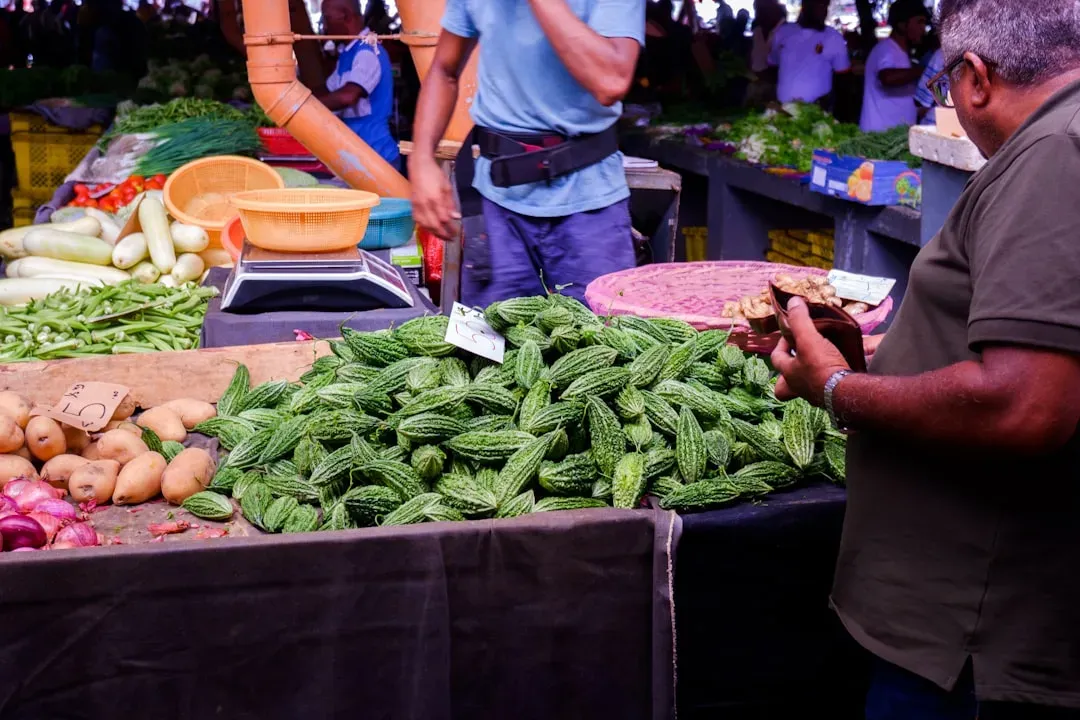
Direct retail sales through farmers markets and farm stands capture full retail margins but require significant time investment in customer interaction and market attendance. This model works best for growers who enjoy the social aspect and can command $4-8 per pound for specialty lettuce or $12-20 per pound for fresh basil.
Wholesale distribution to restaurants and grocery stores provides volume sales with less marketing effort, though margins drop to 40-60% of retail prices. Restaurant partnerships offer the advantage of consistent orders for specialty items like microgreens or edible flowers that chefs struggle to source locally.
Community Supported Agriculture (CSA) programs generate upfront capital through seasonal subscriptions while building a loyal customer base. Members pay $400-800 for weekly harvest boxes over 20-30 weeks, providing cash flow before peak production begins. The challenge lies in maintaining variety and managing member expectations during crop transitions.
Educational agritourism creates revenue from farm tours, workshops, and consulting services while your production system matures. Charging $25-50 per person for tours or $200-500 for weekend workshops can generate $1,000-3,000 monthly while you're still scaling your growing operation.
Determining Your Startup Costs and Securing Financing
Your initial investment varies dramatically based on production scale and infrastructure choices. A backyard system teaches you the fundamentals for under $5,000, while a commercial greenhouse operation requires $100,000-300,000 to reach meaningful production volume.
Aquaponics Business Models: Revenue, Margins, and Suitability Comparison
| Business Model | Price Per Unit | Profit Margin | Time Investment | Best For | Customer Base Size |
|---|---|---|---|---|---|
| Direct Retail (Farmers Markets) | $4-8/lb (lettuce), $12-20/lb (basil) | 70-85% | High | Social growers, specialty crops | Small, loyal |
| Wholesale (Restaurants/Grocery) | $2.40-4.80/lb | 40-60% | Low-Medium | Volume production, consistency | Medium-Large |
| CSA Programs | $400-800/season (20-30 weeks) | 65-75% | Medium | Upfront cash flow, community focus | Medium, committed |
| Agritourism/Education | Tours: $10-25/person, Workshops: $50-150 | 60-80% | Medium-High | Build brand while scaling production | Varies, high engagement |
Complete Startup Cost Breakdown by System Size
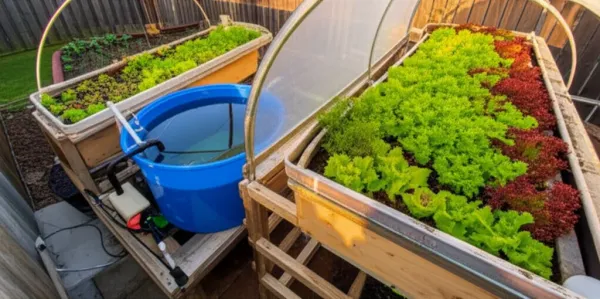
Small-scale systems ($5,000-$15,000) suit hobbyists transitioning to part-time income or testing market demand before larger commitments. This budget covers a 10x20 foot greenhouse or hoop house, 300-500 gallon fish tank, media-filled grow beds for 100-200 square feet of growing space, basic plumbing and pumps, and initial fish stock plus seeds. You'll produce enough for farmers market sales or a small CSA of 10-15 members.
Medium-scale operations ($50,000-$100,000) represent the entry point for full-time farming. Expect to invest in a 30x60 foot greenhouse with climate control, multiple 500-1,000 gallon fish tanks, 500-800 square feet of grow beds or raft systems, backup power systems, and water testing equipment. This scale supports wholesale accounts with 3-5 restaurants or a 40-60 member CSA generating $40,000-80,000 in annual revenue.
Commercial-scale systems ($150,000-$500,000+) target serious production volume with 2,000+ square feet of growing space across multiple greenhouses. Infrastructure includes automated climate control, sophisticated monitoring systems, walk-in coolers, processing areas, and delivery vehicles. These operations pursue grocery store contracts and larger wholesale accounts requiring consistent weekly deliveries of 200-500 pounds of produce.
Ongoing Operational Expenses to Budget For
Monthly electricity costs range from $100-300 for small systems to $1,500-3,000 for commercial operations depending on climate and energy efficiency. Heating in winter and cooling in summer drive the majority of consumption, making greenhouse location and insulation critical variables.
Fish feed represents your largest recurring input cost at $30-60 per month for small systems or $400-800 monthly for commercial operations. Feed conversion ratios matter, tilapia typically require 1.5-2 pounds of feed to gain one pound of body weight. Seeds and seedlings add $50-200 monthly depending on crop rotation and variety selection.
Water testing supplies, pH adjusters, fish health products, and system maintenance parts contribute another $100-300 monthly. Labor becomes significant as you scale beyond what one person can manage, with harvest and packaging requiring the most hours. Insurance for greenhouse structures, equipment, and liability coverage adds $1,200-4,000 annually depending on operation size and location.
Financing Options and Grant Opportunities
SBA microloans and standard 7(a) loans provide accessible financing for agricultural businesses with solid business plans and reasonable credit histories (SBA). Microloans up to $50,000 suit small-scale operations, while 7(a) loans can fund larger commercial buildouts up to $5 million with repayment terms of 10-25 years.
USDA grant programs including the Specialty Crop Block Grant Program and Value-Added Producer Grants support aquaponics operations growing vegetables and herbs (USDA AMS). These competitive grants require detailed applications but can provide $25,000-250,000 in funding that doesn't require repayment. Local economic development agencies often offer matching grants or low-interest loans for agricultural businesses that create jobs.
Self-funding through phased expansion allows you to validate your business model before seeking external capital. Start with a small system funded from savings or a home equity line of credit, prove your market and growing skills, then use initial revenue to finance gradual expansion. This approach takes longer but avoids debt service payments that strain cash flow during your learning curve.
Creating Your Aquaponics Business Plan and Market Strategy
A comprehensive business plan forces you to validate assumptions before committing capital and provides the roadmap investors or lenders require. Your plan should demonstrate understanding of both production capabilities and market realities specific to your region.
Startup Costs and Ongoing Expenses by System Scale
| System Size | Initial Setup Cost | Annual Operating Expenses | Monthly Energy Cost (Cold Climate) | Break-Even Timeline |
|---|---|---|---|---|
| Backyard/Hobby (100-500 sq ft) | $5,000-15,000 | $3,000-8,000 | $100-300 | 18-36 months |
| Small Commercial (500-2,000 sq ft) | $25,000-60,000 | $15,000-35,000 | $400-900 | 24-48 months |
| Medium Commercial (2,000-5,000 sq ft) | $60,000-100,000 | $40,000-80,000 | $1,200-2,500 | 30-60 months |
| Large Commercial (5,000+ sq ft) | $100,000-150,000+ | $80,000-200,000+ | $2,500-5,000+ | 36-72 months |
Conducting Local Market Research and Demand Analysis
Start by identifying potential customers within a 50-mile radius of your proposed location. Visit farmers markets to assess current produce availability, pricing, and vendor competition. Talk to 10-15 restaurant chefs about their local sourcing needs, preferred products, and price sensitivity, these conversations reveal gaps in current supply that your operation could fill.
Survey local grocery stores and food co-ops about their local produce programs and shelf space availability. Many stores have formal local producer programs with specific requirements for liability insurance, food safety certifications, and delivery schedules. Understanding these requirements upfront prevents costly surprises later.
Validate product-market fit before building your system by selling produce from other local farms or a small pilot system. If you can't sell 50 pounds of lettuce weekly at your target price point, scaling to 500 pounds won't solve the problem.
Developing Your Revenue Model and Pricing Strategy
Calculate your cost per unit by tracking all inputs including labor hours at a realistic wage, even if you're initially working for free. A head of lettuce that requires $1.50 in direct costs plus $1.00 in allocated overhead and labor needs to sell for at least $4.00 to generate sustainable margins after accounting for waste and unsold inventory.
Premium positioning works for aquaponics products when you effectively communicate the value story. Consumers pay $3-5 per pound more for produce that's pesticide-free, harvested that morning, and grown using 90% less water than conventional farms. Your pricing should reflect this quality difference while remaining competitive with organic options at natural food stores.
Multiple revenue streams reduce risk and maximize facility utilization. Combine produce sales with fish sales once your system matures, offer paid workshops quarterly, and consider value-added products like pesto or salad mixes that capture more margin and extend shelf life.
Selecting Profitable Crops and Fish Species
Your crop and fish selections determine both production efficiency and market appeal. Matching your choices to local demand and your system's capabilities separates profitable operations from struggling ones.
Most Profitable Crops for Commercial Aquaponics
Leafy greens deliver the fastest returns with 4-6 week growth cycles and strong market demand. Butterhead lettuce yields 4-6 ounces per plant and sells for $3-5 per head at farmers markets or $1.50-2.50 wholesale. Kale and chard grow slightly slower but command similar pricing while offering longer harvest windows through cut-and-come-again harvesting (Purdue Extension).
Culinary herbs generate exceptional revenue per square foot despite smaller plant sizes. Basil produces 2-4 ounces per plant every 3-4 weeks when properly pruned and sells for $12-20 per pound retail or $6-10 wholesale. Cilantro, mint, and parsley fill market niches that grocery stores struggle to keep fresh, giving you competitive advantage through superior quality and shelf life.
Specialty crops like microgreens, watercress, and edible flowers capture premium pricing for restaurants seeking unique garnishes and ingredients. Microgreens harvest in just 7-14 days and sell for $25-40 per pound, though they require more labor for seeding and harvesting than mature greens.
Choosing the Right Fish Species for Your System
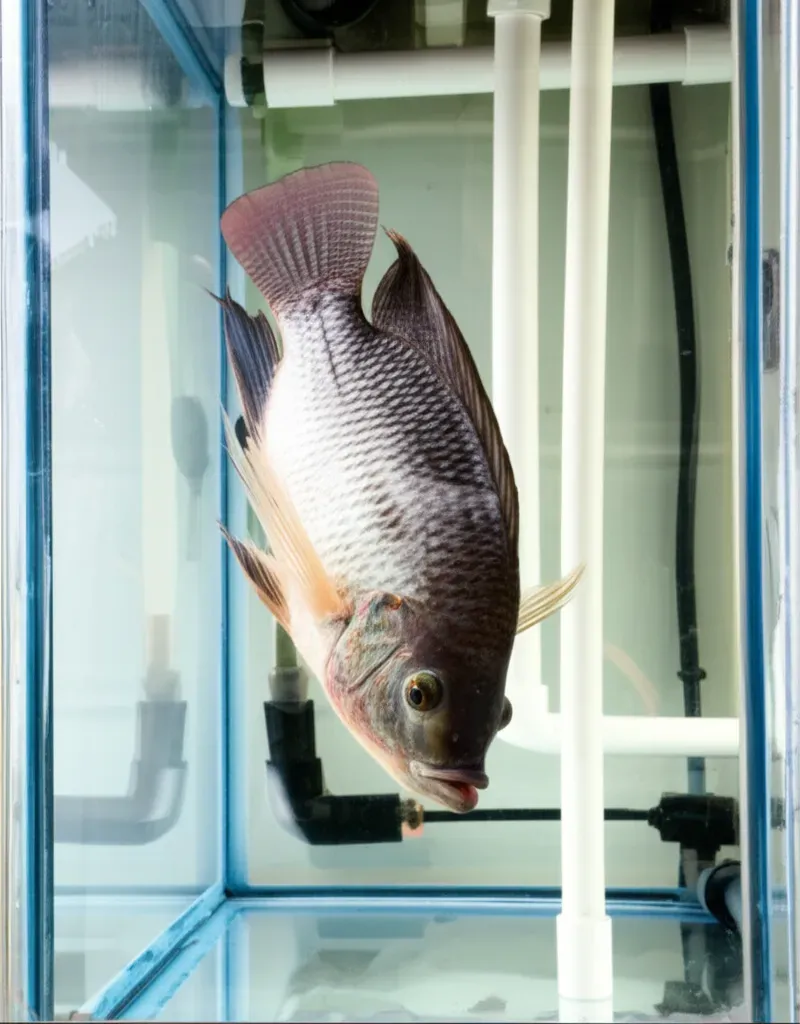
Tilapia dominate commercial aquaponics because they tolerate crowding, grow rapidly to harvest size in 6-9 months, and handle water quality fluctuations that would stress other species (Purdue Extension). They require water temperatures above 65°F, making them ideal for heated greenhouses but expensive in cold climates. Market value ranges from $4-7 per pound for whole fish.
Rainbow trout thrive in cooler water (55-65°F) and command premium pricing of $8-12 per pound, but they demand excellent water quality and high dissolved oxygen levels. They're well-suited to northern climates where heating costs favor cool-water species and local markets appreciate their culinary reputation.
Channel catfish offer a middle ground with tolerance for varied conditions and strong regional market appeal in southern states. They grow to 1-2 pounds in 12-18 months and sell for $3-5 per pound.
Setting Up Your Commercial Aquaponics System
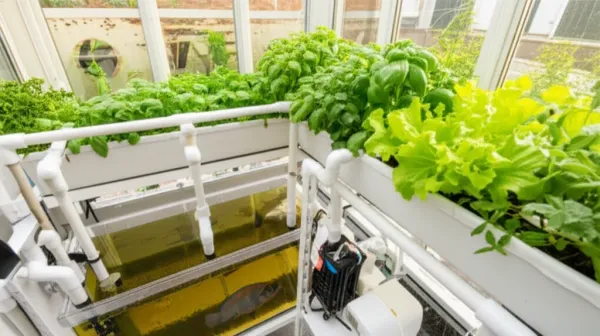
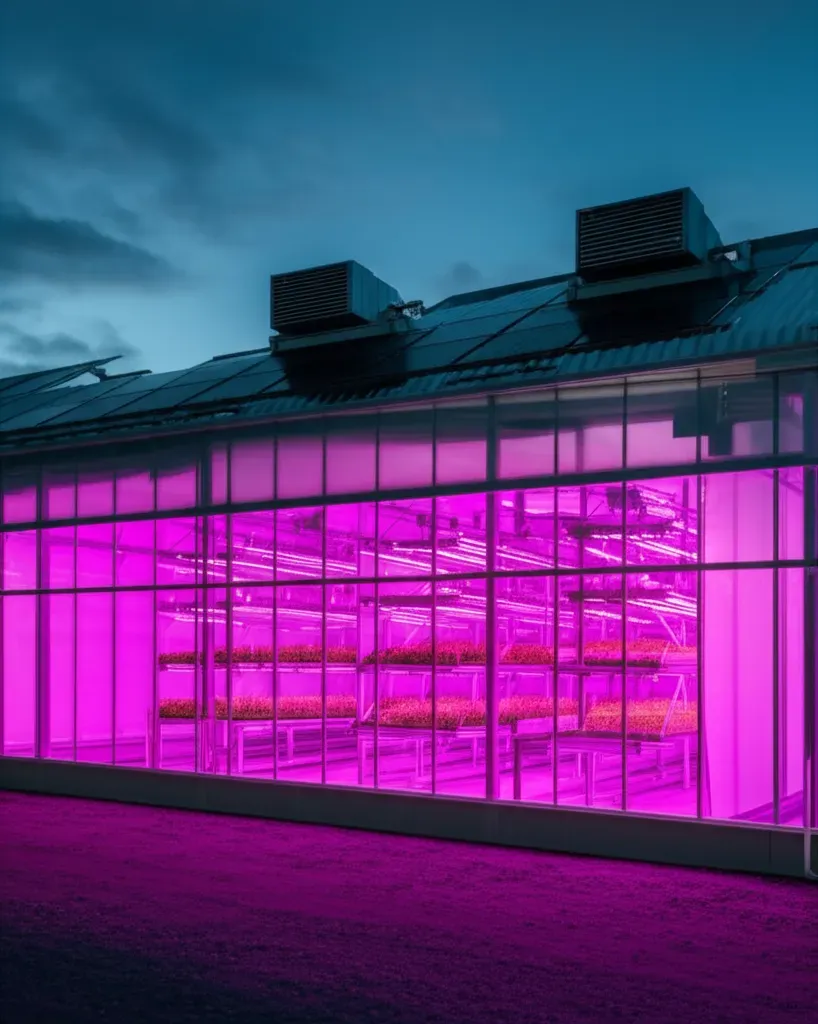
System design choices impact your labor requirements, crop options, and maintenance burden for years to come. The five essential components include fish tanks, biofilters, hydroponic growing subsystem, sump tank, and pumps (Purdue Extension).
Choosing Your System Design and Components
Media-filled grow beds using expanded clay or gravel provide biological filtration and plant support in one component, simplifying system design for beginners. The media hosts beneficial bacteria that convert fish waste while anchoring plant roots. These systems work well for herbs, leafy greens, and smaller fruiting plants but require more initial investment in media and structural support.
Deep water culture (DWC) or raft systems float plants on foam boards in 12-18 inch deep channels of nutrient-rich water. This design suits large-scale leafy green production because rafts are easy to move and harvest, though you'll need separate biofilters to process fish waste. Commercial operations favor DWC for its labor efficiency and high-density planting.
Fish tank sizing follows the rule of thumb that one pound of fish requires 5-10 gallons of water depending on species and system design. A 500-gallon tank supports 50-100 pounds of fish, generating enough nutrients for approximately 50-100 square feet of growing space based on crop selection and feeding rates.
Location Selection and Facility Requirements
Greenhouse placement should maximize southern exposure for natural light while providing wind protection and access to utilities. Level ground simplifies construction and drainage, while proximity to water sources and three-phase electrical service reduces infrastructure costs. Zoning regulations for agricultural structures vary significantly, some jurisdictions classify aquaponics as agriculture while others apply commercial building codes.
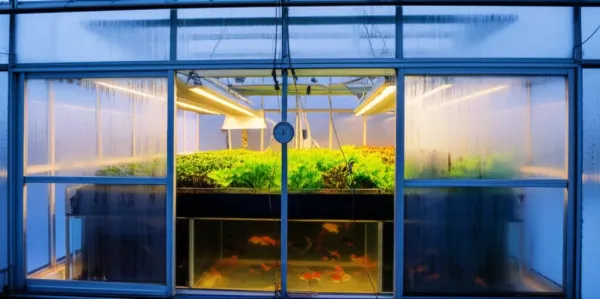
Climate control requirements depend on your location and target crops. Heating systems maintain minimum temperatures for fish health (65-75°F for tilapia, 55-65°F for trout), while ventilation and evaporative cooling prevent summer overheating.
Food Safety and Regulatory Compliance
Good Agricultural Practices (GAP) certification demonstrates food safety compliance to wholesale buyers and retailers who increasingly require third-party verification. GAP audits examine water quality, worker hygiene, harvest procedures, and facility sanitation (NCAT). Annual certification costs $400-1,200 depending on farm size.
State aquaculture permits regulate fish farming operations in most jurisdictions, with requirements varying from simple registration to detailed facility inspections. Contact your state agriculture department early in planning to understand what applies to your situation.
Launching Operations and Scaling Your Business
System startup requires patience as beneficial bacteria colonies establish and stabilize. Rushing this process by adding fish too early results in ammonia spikes that kill fish and delay your timeline further.
System Cycling and Initial Production
Fishless cycling using ammonia solution establishes bacterial populations in 4-8 weeks before introducing fish. Add ammonia daily to reach 2-4 ppm, then monitor as bacteria convert it to nitrites and eventually nitrates. Once the system processes ammonia to nitrate within 24 hours, it's ready for fish.
Stock fish gradually at 25-50% of final capacity, monitoring water parameters daily for the first month. Ammonia and nitrite should remain below 0.5 ppm while nitrates climb to 40-80 ppm, the range where most plants thrive.
Marketing and Customer Acquisition Strategies
Social media storytelling showcasing your daily farm activities builds audience engagement and customer loyalty. Behind-the-scenes content of fish feeding, harvest days, and system troubleshooting humanizes your operation and educates consumers about aquaponics value. Consistent posting 3-5 times weekly maintains visibility without overwhelming followers.
Farmers market presence provides direct customer feedback and immediate cash flow without payment terms or distribution logistics. Invest in attractive display materials, product signage explaining your growing method, and sampling to convert curious shoppers into buyers.
Restaurant partnerships require persistence and relationship building. Start with one or two chefs willing to try small quantities, deliver impeccable quality and reliability, then ask for referrals to other restaurants. Chefs value consistency over volume, meeting your commitments for 2 pounds of basil weekly builds more trust than sporadic deliveries of 20 pounds.
Tracking Performance and Optimizing Profitability
Key performance metrics include crop yield per square foot, fish growth rates, feed conversion ratios, and revenue per labor hour. Tracking these numbers monthly reveals trends and opportunities for improvement. If your lettuce yields 3 ounces per plant instead of the expected 5 ounces, investigate lighting, nutrient levels, or variety selection.
Financial benchmarks for sustainable operations typically show gross margins of 60-70% on produce sales with net profit margins of 15-25% after all expenses including owner's salary. Operations failing to achieve these margins need to either increase prices, reduce costs, or add higher-margin revenue streams.
Scaling decisions should wait until you've achieved consistent production and profitability at your current size. Doubling your growing space before mastering your existing system multiplies problems rather than profits. Once you've run successfully for 12-18 months with positive cash flow and waiting lists for your products, expansion makes strategic sense.
Your aquaponics business can provide both financial returns and the satisfaction of producing clean food sustainably. Success requires realistic expectations about the learning curve, adequate capitalization to weather startup challenges, and commitment to continuous improvement as you refine your growing skills and market position. Start small, validate your market, and scale thoughtfully as your expertise and customer base grow.
Related Articles
- Complete Guide to Aquaponics Systems: How They Work & Getting Started
- Aquaponics System Pros and Cons: Is It Right for You?
- Types of Aquaponics Systems: Design Methods & Best Practices
- Best Fish for Aquaponics Systems: Complete Species Guide
- Growing Vegetables in Aquaponics: What Works Best & How
- Aquaponics System Parts & Components: Complete Checklist
Frequently Asked Questions
How much money do I actually need to start an aquaponics business?
Startup costs range from $5,000 for a small backyard system to $150,000+ for commercial operations, depending on scale and location. Most mid-sized commercial systems fall in the $20,000-$50,000 range. Consider phasing your investment by starting small to develop skills before committing to full commercial infrastructure.
What's the biggest challenge new aquaponics operators face?
Most struggle with technical complexity—you need expertise in both fish farming and plant cultivation simultaneously, managing water chemistry, fish health, nutrition, and mechanical systems. Overcome this by completing structured training programs and finding mentorship from experienced operators before launching commercially.
Can aquaponics actually be profitable, or is it just a hobby?
Yes, aquaponics can be profitable with the right business model and multiple revenue streams. However, profitability requires careful planning around high energy costs (which can consume 30-40% of revenue), strategic crop selection, and effective market positioning to justify premium pricing for your pesticide-free, ultra-local produce.
How much water does an aquaponics system use compared to traditional farming?
Aquaponics uses up to 90% less water than conventional agriculture because it's a closed-loop system where the same water recirculates between fish tanks and grow beds. This dramatic reduction makes aquaponics especially valuable in water-scarce regions.
What crops and fish species are most profitable for commercial aquaponics?
The article identifies specific profitable crops and fish species, but recommends selecting based on your local market demand and climate. Your choice should align with your target customers—whether that's restaurants seeking premium herbs, farmers markets wanting leafy greens, or direct consumers.
What are the main business models for aquaponics operations?
Viable models include direct-to-consumer sales at farmers markets, wholesale partnerships with restaurants, educational agritourism experiences, or a hybrid approach. Your location, target market, and available capital will determine which model—or combination—works best for your situation.
How do I overcome the high energy costs that challenge aquaponics profitability?
Integrate renewable energy solutions like solar panels, invest in high-efficiency LED grow lights, and improve greenhouse insulation to reduce heating needs. These upgrades transform energy from a profit killer into a manageable operating cost, especially important in cold climates.
Can I produce year-round with aquaponics, even in cold climates?
Yes, controlled environment growing allows year-round production regardless of climate. You can harvest lettuce in January and basil in December, capturing premium prices when field-grown produce is scarce—a significant competitive advantage in northern regions.