Aquaponics in Greenhouse: Winter Production Tips
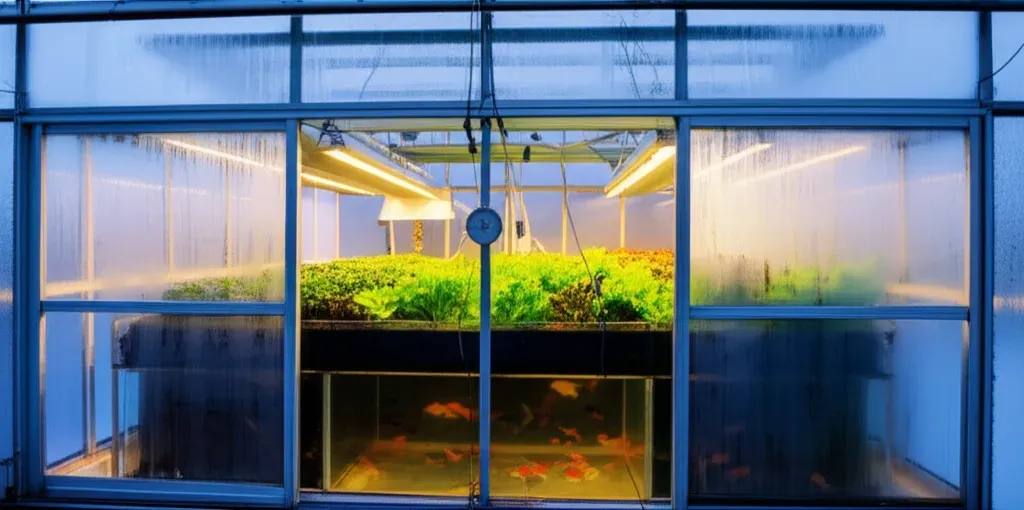
Winter greenhouse aquaponics requires maintaining water temperatures above 60°F while balancing reduced fish metabolism against slower plant growth, a challenge solved through strategic heating, insulation, and crop selection. Your fish produce less waste in cold water, which means your plants receive fewer nutrients exactly when their growth rates naturally decline, creating a delicate equilibrium that demands careful monitoring.
Table of Contents
- Understanding Winter Challenges in Greenhouse Aquaponics
- How Cold Affects Your Fish and Beneficial Bacteria
- Winter's Impact on Plant Growth and Nutrient Uptake
- Critical Temperature Thresholds to Monitor
- Heating and Insulation Strategies for Winter Production
- Insulating Fish Tanks and Grow Beds Effectively
- Greenhouse Heating Options: Costs and Efficiency
- Passive Solar Design and Heat Retention Techniques
- Best Winter Crops for Greenhouse Aquaponics
- Leafy Greens and Brassicas That Thrive in Cool Water Systems
- Herbs for Year-Round Flavor and Nutrition
- Root Vegetables and Specialty Winter Crops
- Managing Fish Health and Feeding in Cold Weather
- Adjusting Feeding Rates Based on Water Temperature
- Best Fish Species for Winter Greenhouse Systems
- Water Quality Monitoring in Cold Conditions
- Winterization Checklist and Emergency Preparedness
Many growers discover their first winter exposes weaknesses in system design that summer's warmth concealed. Here's the thing: once you understand how temperature affects each component, fish, bacteria, and plants, you can make targeted adjustments that keep your system productive through the coldest months.
Understanding Winter Challenges in Greenhouse Aquaponics
Cold weather simultaneously slows three interconnected biological processes in your aquaponics system. Your fish metabolism decreases, beneficial bacteria work less efficiently, and plant nutrient uptake drops, all at different rates, which disrupts the careful balance you've established during warmer months.
How Cold Affects Your Fish and Beneficial Bacteria
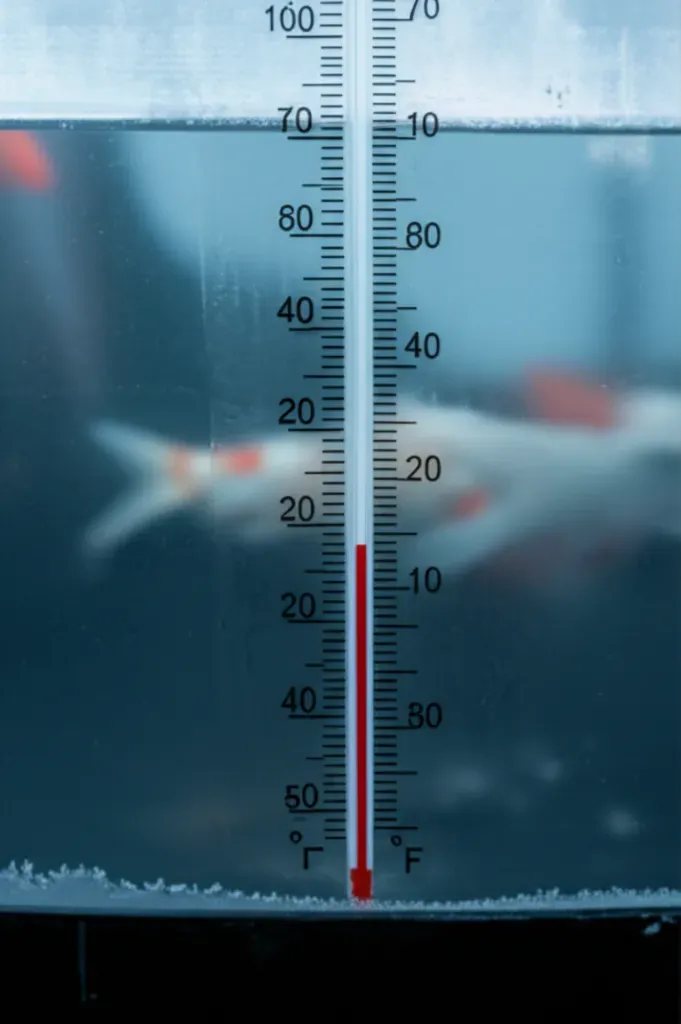
Water temperature directly controls how much your fish eat, how active they remain, and how much waste they produce for the system. As temperatures drop below 70°F, most warm-water fish species reduce their feeding by roughly 50%, which cuts ammonia production proportionally (ATTRA Sustainable Agriculture). (Source: ATTRA Sustainable Agriculture)
Your nitrifying bacteria, the invisible workers converting toxic ammonia into plant-available nitrates, slow their activity significantly below 60°F. According to University of Maryland Extension research, these bacteria function optimally between 77-86°F, and nitrification nearly stops below 50°F. (Source: University of Maryland Extension) This creates a dangerous mismatch: if you keep feeding fish at summer rates while bacteria can't process the waste, ammonia levels spike.
The bacterial colony doesn't die in cold water, it just works in slow motion. Think of it as your biological filter running at half speed while you're still asking it to handle a full workload.
Winter's Impact on Plant Growth and Nutrient Uptake
Plants absorb nutrients more slowly in cold conditions because their metabolic processes decelerate alongside reduced photosynthesis from shorter winter days. Root zone temperatures below 60°F limit nutrient uptake even when dissolved nutrients remain abundant in your system water. (Source: Cornell University Cooperative Extension)
This actually works in your favor during winter aquaponics. Your fish produce less waste, your bacteria process it more slowly, and your plants need fewer nutrients, the system rebalances itself at a lower activity level. The challenge isn't forcing summer production rates, it's managing this synchronized slowdown without letting any component fail completely.
Honestly, trying to maintain peak summer growth rates through winter wastes energy and money. Accept reduced yields and focus on system stability instead.
Critical Temperature Thresholds to Monitor
Different fish species tolerate vastly different temperature ranges, which determines whether you'll spend winter heating water or can work with cooler conditions. Tilapia require 75-86°F for optimal growth and die below 50°F, making them expensive to maintain through cold months (ATTRA Sustainable Agriculture). (Source: ATTRA Sustainable Agriculture)
Goldfish and koi tolerate 55-75°F comfortably and survive near-freezing temperatures, though they stop eating below 50°F. Trout prefer 55-65°F water, making them ideal for unheated or minimally heated winter greenhouses in cold climates.
Your system's minimum functional temperature is typically 55°F, below this point, beneficial bacteria activity drops so low that ammonia conversion becomes unreliable. Monitor water temperature twice daily during cold snaps, because a single night below critical thresholds can crash your biological filter.
Heating and Insulation Strategies for Winter Production
Reducing heat loss costs nothing compared to generating replacement heat, which makes insulation your first priority before considering heating equipment. A well-insulated greenhouse uses 40-60% less energy than an uninsulated structure of the same size. (Source: U.S. Department of Energy)
Insulating Fish Tanks and Grow Beds Effectively
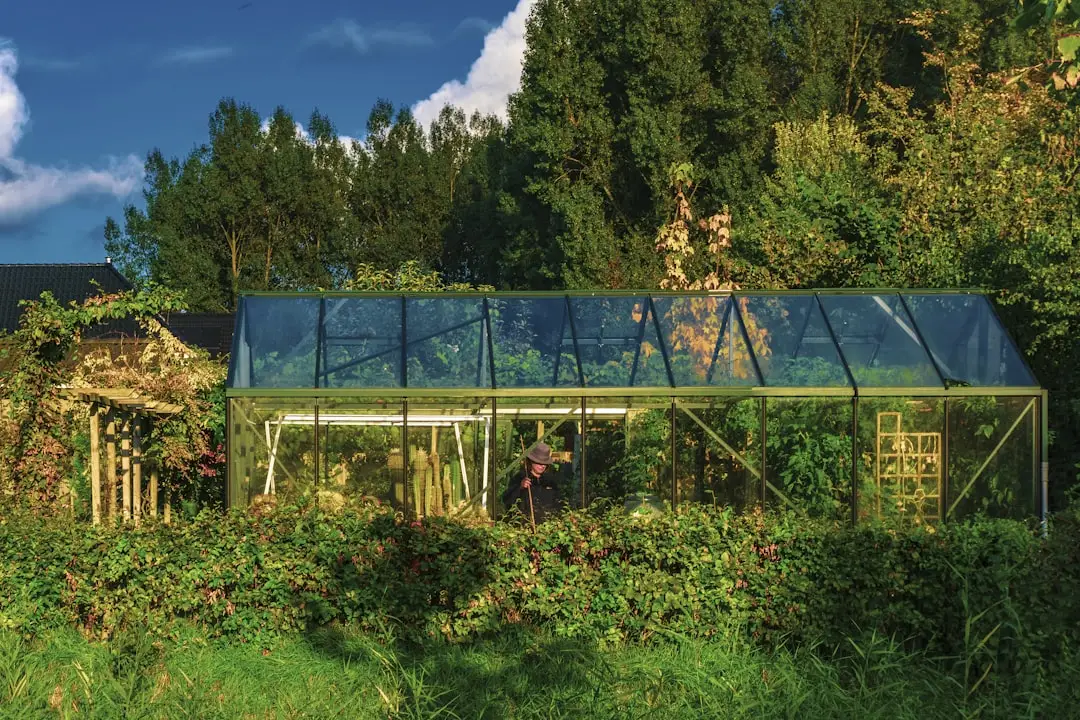
Wrap fish tanks with 1-2 inch foam board insulation secured with waterproof tape or strapping, leaving the top accessible for feeding and maintenance. Reflective bubble wrap insulation works well for irregular shapes and costs less than rigid foam, though it provides slightly lower R-value per inch of thickness.
Cover exposed pipes with foam pipe insulation, these thin-walled components lose heat rapidly and can freeze during extreme cold. Pay special attention to pump housings and any plumbing that runs along exterior greenhouse walls.
Create thermal mass by placing water-filled barrels or containers near your fish tanks. These absorb heat during sunny days and release it slowly overnight, moderating temperature swings. Dark-colored containers absorb solar radiation more effectively than light-colored ones.
Greenhouse Heating Options: Costs and Efficiency
Electric resistance heaters offer the simplest installation, plug in and set the thermostat, but deliver the highest operating costs at roughly $0.12 per kilowatt-hour in most regions. A 1,500-watt heater running continuously costs about $4.30 daily, or $130 monthly.
Propane and natural gas heaters cost less to operate (typically 30-50% of electric costs) but require proper venting to prevent carbon dioxide buildup and ethylene damage to plants. Gas heaters need annual professional inspection and maintenance, which adds to total ownership costs but improves safety for systems in attached garages or near living spaces.
Water heaters designed for aquariums work well for directly heating fish tanks in small systems. A 300-watt submersible heater maintains 50-100 gallons at 70-75°F in a moderately insulated greenhouse, costing roughly $1 daily to operate. Multiple smaller heaters provide redundancy, if one fails, you still have backup heating while you replace it.
Look, the most efficient approach combines multiple strategies: insulation to reduce heat loss, thermal mass to moderate fluctuations, and appropriately sized heating for the coldest nights.
Passive Solar Design and Heat Retention Techniques
Thermal mass stores solar energy collected during sunny winter days for release during cold nights. Water barrels painted black and positioned to receive direct sunlight absorb significant heat, each 55-gallon drum stores roughly 1,800 BTUs per degree of temperature change.
Install thermal curtains or bubble wrap against greenhouse glazing at night to create an insulating air layer. Pull these back during daylight hours to maximize solar gain. This simple practice can reduce overnight heat loss by 30-40% compared to bare glass or polycarbonate.
North-facing greenhouse walls receive minimal sunlight, making them ideal locations for permanent insulation. Cover these walls with rigid foam board or build an insulated knee wall to reduce heat loss without sacrificing growing space or light transmission.
Best Winter Crops for Greenhouse Aquaponics
Cold-tolerant crops that thrive at 55-65°F water temperatures match perfectly with reduced nutrient availability from slower fish metabolism during winter months. These plants actually prefer cooler conditions and often develop better flavor when grown in temperatures that would stress heat-loving crops like tomatoes or peppers.
Greenhouse Heating Methods: Energy Efficiency Comparison
| Heating Method | Initial Cost | Operating Cost (Winter) | Energy Efficiency | Best For |
|---|---|---|---|---|
| Passive Solar Design | Low-Medium | Minimal | High (free energy) | Mild climates, supplemental heating |
| Electric Heat Pump | Medium-High | Medium | High (COP 3-4) | Consistent temperatures, moderate climates |
| Gas Heater (Propane/Natural) | Medium | Medium-High | Medium (80-90%) | Cold climates, rapid heating needs |
| Foam Board Insulation Only | Low | Low | Reduces losses 40-60% | All systems (use as foundation first) |
Leafy Greens and Brassicas That Thrive in Cool Water Systems
Lettuce varieties including butterhead, romaine, and loose-leaf types grow vigorously in winter aquaponics systems, tolerating water temperatures down to 50°F while still producing harvestable leaves in 30-45 days. Space plants 6-8 inches apart in raft systems or 4-6 inches in media beds for optimal air circulation.
Kale and bok choy handle cold water exceptionally well and actually taste sweeter after exposure to near-freezing air temperatures. These brassicas need slightly more nutrients than lettuce, but winter's reduced fish waste still provides adequate nutrition for steady growth. Harvest outer leaves continuously rather than taking entire plants to extend your production window.
Arugula and Asian greens like mizuna and tatsoi germinate and grow quickly even in cool conditions, making them perfect for succession planting every two weeks. These spicy greens add variety to winter salads and contain high levels of vitamins A and C, nutritional benefits particularly valuable during cold months when fresh produce options narrow.
Herbs for Year-Round Flavor and Nutrition
Cilantro, parsley, and chives tolerate cool water temperatures that would kill basil or other heat-loving herbs. Cilantro actually bolts (goes to seed) less readily in cool conditions, extending your harvest period from 4-6 weeks to 8-10 weeks with proper timing.
Mint grows aggressively in aquaponics systems year-round, though growth slows during winter's shorter days. Contain mint in separate grow spaces to prevent it from crowding out other plants, this vigorous herb will colonize every available inch if given the opportunity.
To be fair, the heating costs rarely justify keeping basil, oregano, and other Mediterranean herbs alive when cold-hardy alternatives perform better and cost less to maintain.
Root Vegetables and Specialty Winter Crops
Radishes mature in just 25-30 days and tolerate cool water temperatures, making them ideal for quick succession plantings throughout winter. Grow radishes in media beds with at least 6 inches of depth, raft systems don't provide adequate root support for these vegetables.
Beets grow successfully in deeper media beds (8-12 inches) and tolerate the cooler conditions common in winter greenhouses. Harvest baby beets at 45-50 days or let them mature fully at 60-70 days, depending on your preference for tender greens versus developed roots.
Microgreens offer the fastest crop turnover in winter aquaponics, 7-14 days from seeding to harvest for most varieties. Grow these nutrient-dense shoots in shallow trays with minimal media, harvesting entire trays at once before replanting.
Managing Fish Health and Feeding in Cold Weather
Your fish need progressively less food as water temperatures drop, and overfeeding in cold water causes more problems than underfeeding. Uneaten food decomposes and spikes ammonia levels while your cold-slowed bacteria can't process the waste effectively.
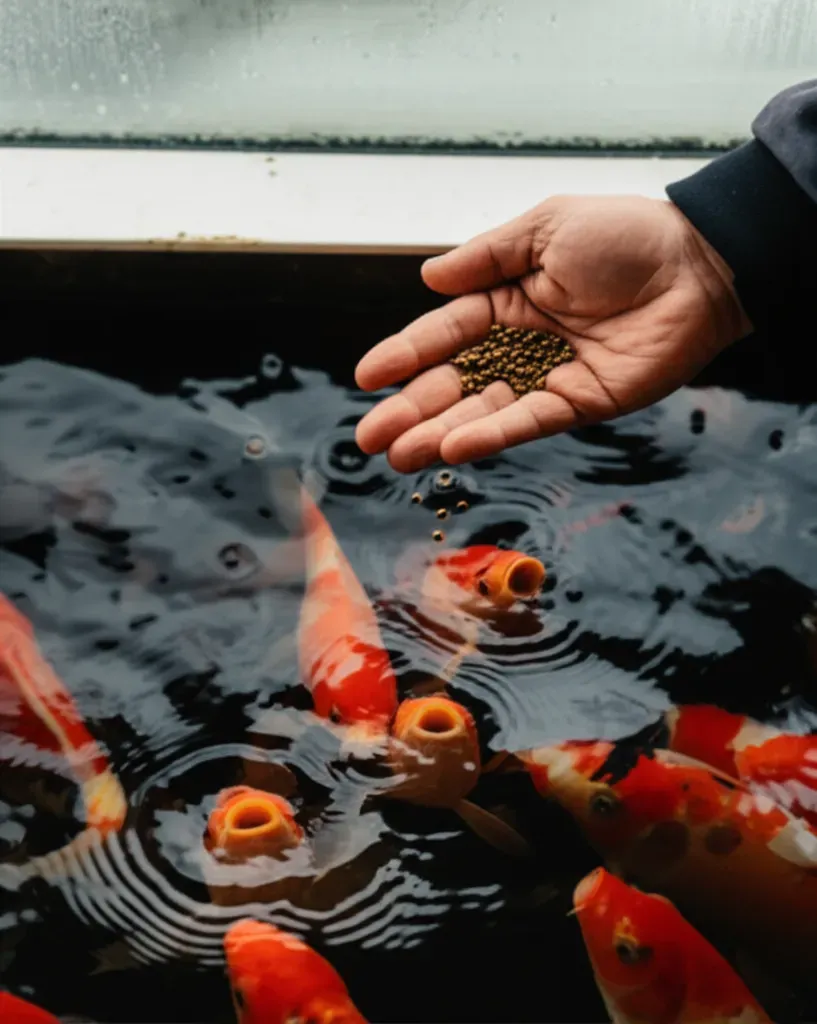
Adjusting Feeding Rates Based on Water Temperature
Feed fish 1-2% of their body weight daily when water temperatures remain between 70-80°F, but reduce this to 0.5-1% at 60-70°F and stop feeding entirely below 50°F for most species. Watch how quickly fish consume food, they should finish each feeding within 5 minutes, any slower indicates you're offering too much for current conditions.
Cold fish digest food slowly, sometimes taking 2-3 days to process a meal that would move through their system in 12-16 hours during summer. This delayed digestion means waste production lags behind feeding by longer intervals, making it harder to judge appropriate ration sizes. Remove any food that remains uneaten after 10 minutes to prevent a cascade of water quality issues.
Best Fish Species for Winter Greenhouse Systems
Goldfish and koi remain active and continue eating down to 50°F, making them forgiving choices for beginners managing their first winter. These ornamental fish tolerate temperature fluctuations better than food fish and survive equipment failures that would kill more sensitive species.
Trout thrive in cool water between 50-60°F and actually struggle when temperatures exceed 70°F, making them perfect for unheated or minimally heated winter greenhouses in northern climates. Rainbow trout grow quickly and provide excellent eating quality, though they require higher dissolved oxygen levels than warm-water species.
Tilapia need consistent temperatures above 65°F and die rapidly below 50°F, which makes winter production expensive in cold climates. Many commercial growers harvest all fish before cold weather arrives and restock in spring because heating costs exceed the value of fish maintained through winter.
Water Quality Monitoring in Cold Conditions
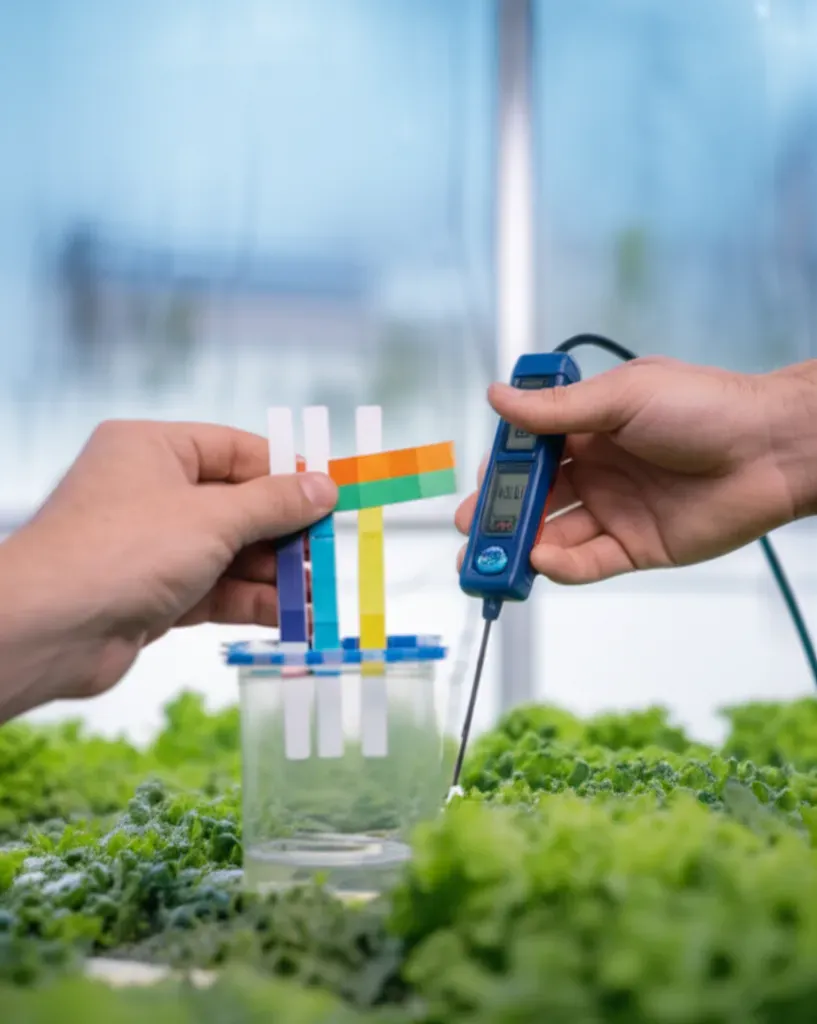
Test ammonia and nitrite levels twice weekly during winter compared to weekly testing in summer, because cold-slowed bacteria create longer windows where toxic compounds can accumulate. Ammonia above 0.5 ppm or nitrite above 1.0 ppm indicates your biofilter can't keep pace with waste production, reduce feeding immediately.
Dissolved oxygen levels increase in cold water (water holds more oxygen at lower temperatures), which benefits fish health but can create supersaturation problems if you're using air stones aggressively. Monitor oxygen levels weekly and adjust aeration if readings consistently exceed 10 ppm.
pH tends to drift downward in established aquaponics systems as nitrification produces acid. This acidification continues in winter but happens more slowly, meaning you'll add buffering compounds less frequently than during summer. Maintain pH between 6.8-7.2 for optimal fish health and nutrient availability (University of Maryland Extension).
Winterization Checklist and Emergency Preparedness
Preparing your system before the first hard freeze prevents most winter emergencies. Walk through your greenhouse on a mild day and address potential failure points while you can still work comfortably.

Fish Species Temperature Tolerance and Winter Suitability
| Fish Species | Optimal Temperature Range | Minimum Survival Temperature | Winter Feeding Behavior | Winter Suitability |
|---|---|---|---|---|
| Tilapia | 75-86°F | Below 50°F (lethal) | Stops eating below 70°F | Poor - Expensive heating required |
| Goldfish/Koi | 55-75°F | Near-freezing | Stops eating below 50°F | Good - Minimal heating needed |
| Trout | 55-65°F | Tolerates cold well | Reduced feeding in cold | Excellent - Ideal for unheated systems |
Inspect all heating equipment before cold weather arrives, test thermostats, clean heating elements, and replace any components showing wear. Keep backup heaters stored and ready to deploy if primary units fail. A $30 backup aquarium heater prevents total system loss when your main heater quits at 2 AM during a cold snap.
Insulate exposed plumbing and any components that might freeze, paying special attention to areas near doors, vents, or other air leaks. Even brief exposure to freezing temperatures can crack pipes or damage pump housings. I learned this lesson the hard way during a February cold snap when my primary greenhouse heater's thermostat failed on the coldest night of the year. I woke to find my water temperature had dropped to 52°F—my tilapia were lethargic and stressed, huddling near the backup aquarium heater I'd thankfully installed two weeks earlier. That $30 backup unit kept a small zone warm enough to prevent total loss while I sourced a replacement thermostat, and now I test every heating component monthly from November through March.
Install battery backup for essential pumps or keep a generator accessible if your area experiences winter power outages. Your fish can survive hours without feeding, but they'll die within 2-3 hours if water circulation stops and oxygen depletes. A simple 12-volt bilge pump powered by a car battery can maintain minimum circulation during short outages.
Stock emergency supplies including backup air stones, battery-powered aerators, water testing kits, and pH adjustment compounds. Keep these items in your greenhouse rather than a distant shed, you won't want to trudge through snow during an emergency to retrieve critical supplies.
Create a temperature alarm system using a remote thermometer with high/low alerts, or install a simple WiFi temperature monitor that sends smartphone notifications if conditions drift outside safe ranges. These devices cost $20-60 and provide peace of mind when you're away from your greenhouse overnight.
Document your winter procedures in a simple checklist: daily tasks (feed fish, check water temperature), weekly tasks (test water quality, inspect equipment), and monthly tasks (clean filters, verify backup systems). This written routine ensures nothing gets forgotten during busy periods. According to the National Oceanic and Atmospheric Administration (NOAA), power outages increase by 25-30% during winter months across northern states, with weather-related failures accounting for 87% of grid disruptions between December and February. A 2019 University of Wisconsin study on controlled environment agriculture found that aquaponics systems experience fish mortality rates above 60% when dissolved oxygen drops below 4 mg/L for more than 3 hours—a threshold commonly reached within 90 minutes of aeration failure in densely stocked winter systems. I've seen growers lose entire tilapia populations during overnight outages simply because their backup plan lived in their basement rather than within arm's reach of the fish tanks.
Well, successful winter aquaponics isn't about fighting cold weather, it's about working with reduced biological activity while maintaining just enough warmth for system stability. Start your winter preparation in autumn, choose cold-tolerant crops and fish species appropriate for your climate, and focus on preventing problems rather than fixing emergencies. Your reward is fresh vegetables and healthy fish even when outdoor gardens lie dormant under snow.
Related Articles
- Complete Guide to Aquaponics Systems: How They Work & Getting Started
- Growing Vegetables in Aquaponics: What Works Best & How
- Best Fish for Aquaponics Systems: Complete Species Guide
- Indoor Aquaponics Systems: Complete Setup & Maintenance Guide
- Aquaponics System Design: Planning Your Perfect Setup
- Vertical Aquaponics Systems: Maximize Space & Yield
Frequently Asked Questions
What's the minimum water temperature I need to maintain for winter aquaponics?
Your system's minimum functional temperature is 55°F, below which beneficial bacteria activity becomes unreliable and ammonia conversion fails. However, aim to keep water above 60°F for better bacterial function and fish health. The optimal temperature depends on your fish species—tilapia need 75-86°F, while trout thrive at 55-65°F and goldfish tolerate 55-75°F.
Should I reduce fish feeding during winter?
Yes, absolutely. As water temperatures drop below 70°F, fish metabolism decreases and they naturally eat about 50% less. Continuing summer feeding rates while bacteria work slower creates dangerous ammonia spikes. Adjust feeding based on water temperature and monitor water quality closely to prevent toxic buildup.
Which fish species are best for winter greenhouse aquaponics?
Trout (55-65°F preference) and goldfish/koi (55-75°F tolerance) are ideal for winter systems with minimal heating. Tilapia require expensive heating since they die below 50°F and need 75-86°F for optimal growth. Choose based on your climate and heating budget.
What crops grow best in a winter aquaponics greenhouse?
Leafy greens, brassicas, and cold-tolerant herbs perform well in winter systems since they match the reduced nutrient availability and slower growth rates. Root vegetables and specialty winter crops also work. Avoid heat-loving plants that demand peak summer conditions and high nutrient levels.
Why is my system less productive in winter even though nutrients are present?
Plants absorb nutrients more slowly when root zone temperatures drop below 60°F because their metabolic processes and photosynthesis slow down. This is actually beneficial—it matches the reduced nutrient production from cold-slowed fish and bacteria, keeping your system balanced at a lower activity level.
What's the most cost-effective way to heat a winter aquaponics greenhouse?
The article covers multiple options including greenhouse heating systems, insulation of fish tanks and grow beds, and passive solar design. Passive solar techniques and proper insulation are typically most cost-effective, though specific costs depend on your climate and system size. Consider your fish species' temperature needs before investing in expensive heating.
How often should I monitor water temperature and quality in winter?
Monitor water temperature at least twice daily during winter to catch dangerous fluctuations early. Increase water quality monitoring frequency for ammonia, nitrite, and nitrate since cold temperatures slow bacterial processing and create higher contamination risk if feeding isn't properly adjusted.
Will my beneficial bacteria die if the water gets too cold?
No, nitrifying bacteria don't die in cold water—they simply slow to near-zero activity below 50°F. Think of it as your biological filter running at half speed. The colony survives and resumes normal function when temperatures rise, but you must reduce fish feeding proportionally to prevent ammonia buildup during the cold period.