6 Main Types of Aquaponics Systems Compared
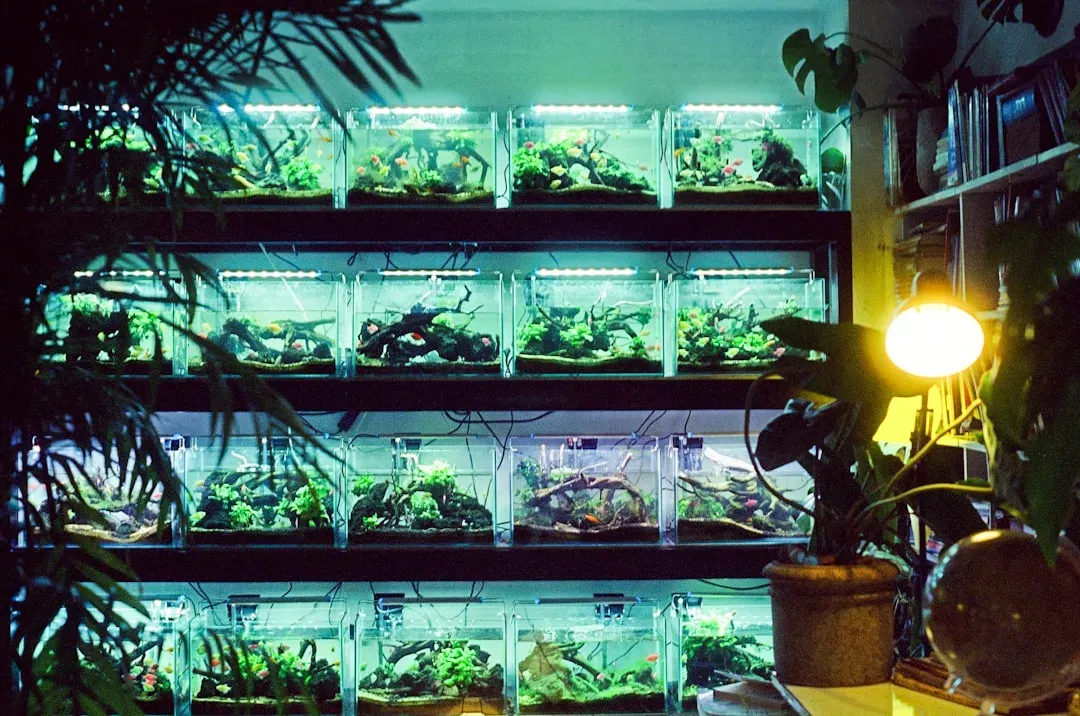
The six main aquaponics systems are media bed (flood and drain), deep water culture (DWC/raft), nutrient film technique (NFT), vertical systems, wicking bed, and hybrid configurations. Each system moves water differently, supports plants through distinct mechanisms, and demands varying levels of monitoring, differences that directly impact which one works for your space, budget, and experience level.
Table of Contents
- Understanding Aquaponics System Types: Which One Fits Your Needs?
- What Makes Aquaponics Systems Different From Each Other
- How to Choose the Right System for Your Situation
- Media Bed (Flood and Drain) Systems: The Beginner-Friendly Choice
- How Media Bed Systems Work
- Pros, Cons, and Real-World Maintenance
- Best Uses and Getting Started
- Deep Water Culture (DWC/Raft) Systems: Maximum Production Capacity
- Deep Water Culture System Operation
- Production Capacity and Plant Selection
- Setup Costs and Maintenance Reality
- Nutrient Film Technique (NFT) Systems: Precision Growing for Enthusiasts
- How NFT Channels and Water Flow Work
- Why NFT Demands More Attention
- Best Crops and System Limitations
- Vertical Aquaponics Systems: Maximizing Limited Space
- Tower and Column Configurations
- Advantages and Accessibility Challenges
- Best Applications and Setup Considerations
- Hybrid and Specialized Systems: Combining Approaches for Better Results
- Media Bed Plus Raft Combinations
- Wicking Bed Systems for Passive Operation
- Choosing and Customizing Your System
Choosing your first aquaponics system feels overwhelming when you're staring at diagrams of bell siphons, rafts, and vertical towers. The decision matters because you'll invest hundreds of dollars and months of effort into whichever approach you select. This comparison gives you the practical criteria to match system types to your actual situation, not theoretical ideals.
Understanding Aquaponics System Types: Which One Fits Your Needs?
All aquaponics systems combine fish farming with plant cultivation in a symbiotic environment where fish waste becomes plant nutrients. According to the USDA National Agricultural Library, the fundamental components, fish tanks, growing beds, and biofilters that convert ammonia into usable nitrogen, appear in every configuration. What changes between system types is how water circulates, what supports your plants, and where beneficial bacteria colonize to perform nitrification.
What Makes Aquaponics Systems Different From Each Other
Water circulation method creates the primary distinction between systems. Media beds flood and drain on cycles, DWC systems maintain constant water depth, and NFT systems flow a thin film through channels. Each circulation pattern affects how oxygen reaches plant roots and how waste particles get filtered from the water.
Growing medium varies from gravel or expanded clay in media beds to no medium at all in raft systems where plants float directly on water. The medium choice determines whether your system provides mechanical filtration (trapping solid waste) or requires separate filtration components. It also affects system weight, with media beds weighing 10-15 pounds per gallon when saturated.
Plant support structure ranges from individual net pots inserted into foam rafts to vertical towers with dozens of planting sites stacked in a single footprint. Your support structure dictates which crops you can grow successfully, how easily you can access plants for harvesting, and whether the system works for someone with limited mobility or back problems.
How to Choose the Right System for Your Situation
Available space determines whether you need a compact vertical system for a balcony or can accommodate the horizontal footprint of media beds and raft tanks. Measure your actual growing area before falling in love with a particular system design, a 4x8 foot raft system needs 32 square feet plus walkway access on at least two sides.
Budget spans from $300 for a basic media bed setup to $1,200 for commercial-style DWC systems with proper filtration. Initial costs don't tell the complete story, media beds require expensive grow media upfront but minimal ongoing expenses, while NFT systems need cheaper materials initially but demand backup pumps and frequent monitoring that costs time.
Physical capability matters more than most beginners realize. Lifting saturated grow beds for maintenance, managing heavy rafts covered with mature lettuce, or bending repeatedly to tend vertical towers all require different physical abilities. If you're building a system you'll operate for years, match the design to your realistic physical capacity, not your aspirational fitness level.
Time commitment for monitoring and maintenance varies dramatically. Media beds tolerate 2-3 day absences once established, NFT systems demand daily attention, and DWC falls somewhere between. Your work schedule and travel habits should influence this decision as much as production goals.
Media Bed (Flood and Drain) Systems: The Beginner-Friendly Choice
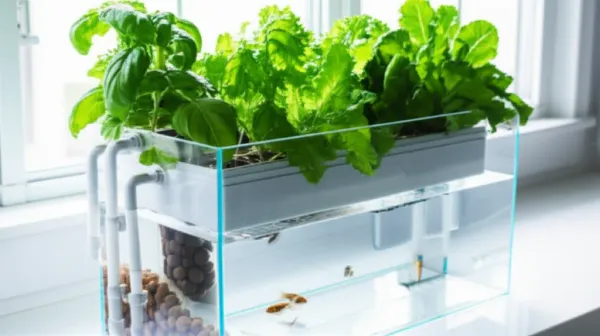
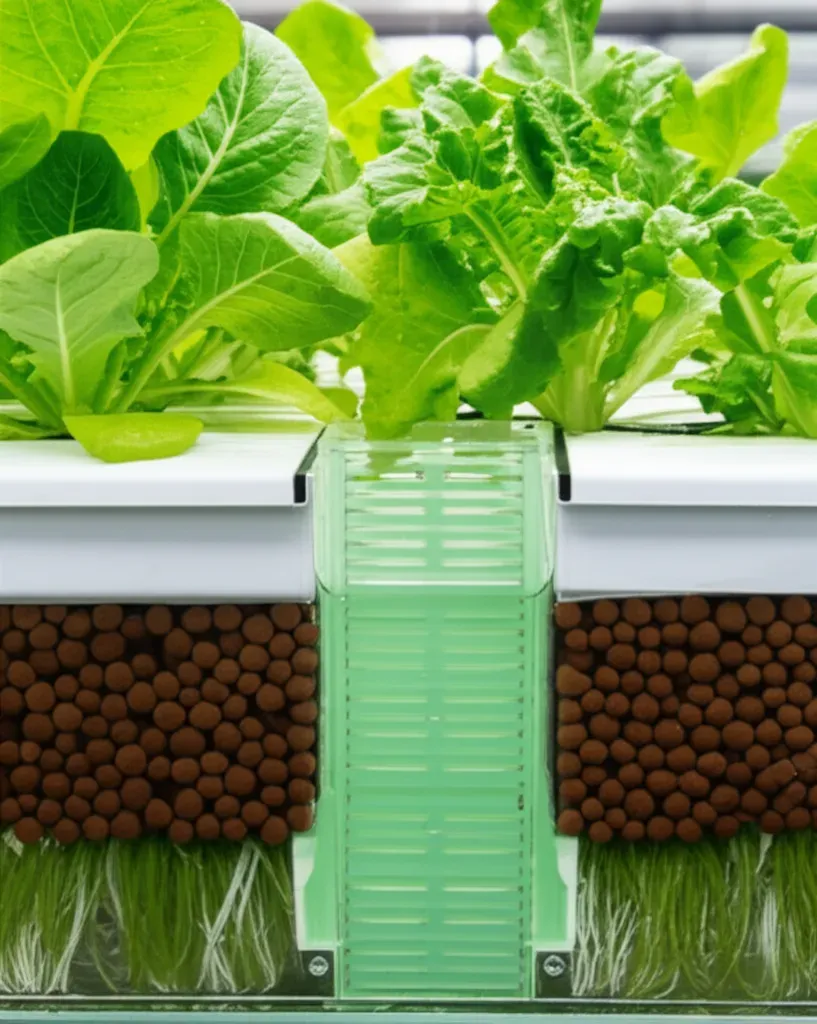
Media bed systems earn their beginner-friendly reputation by hiding complexity inside simplicity. Plants grow in containers filled with expanded clay pebbles or gravel that floods with nutrient-rich water, then drains completely in repeating cycles. This flood-and-drain rhythm delivers both nutrients and oxygen to roots while the media itself hosts the beneficial bacteria that convert fish waste into plant food.
Aquaponics System Types: Key Characteristics Comparison
| System Type | Water Circulation | Growing Medium | Space Required | Beginner Friendly | Maintenance Level |
|---|---|---|---|---|---|
| Media Bed (Flood & Drain) | Flood and drain cycles | Gravel or expanded clay | Medium (horizontal) | Yes | Low-Moderate |
| Deep Water Culture (DWC/Raft) | Constant water depth | None (floating plants) | Large (horizontal) | Moderate | Moderate |
| Nutrient Film Technique (NFT) | Thin film flow through channels | None (channel-based) | Medium (can be vertical) | No | High |
| Vertical Systems | Varies (tower/column design) | Minimal or none | Small (vertical footprint) | Moderate | Moderate-High |
| Wicking Bed | Passive water movement | Soil or media | Small-Medium | Yes | Low |
| Hybrid Systems | Combined methods | Varies | Medium-Large | Moderate | Moderate |
How Media Bed Systems Work
The flood phase pumps water from your fish tank into the grow bed until it reaches a predetermined level, typically 1-2 inches below the media surface. During this phase, plant roots absorb dissolved nutrients while the media traps solid waste particles that would otherwise clog other system types. The entire bed acts as a mechanical and biological filter simultaneously.
The drain phase begins when a bell siphon, a simple device using water weight and air pressure, automatically triggers once the water reaches the right height. The bed drains completely back to the fish tank, pulling fresh oxygen down into the root zone as water exits. This oxygen exchange prevents root rot and supports the aerobic bacteria performing nitrification, according to the University of Hawaii College of Tropical Agriculture and Human Resources.
Well, the beauty of this design is that gravity and physics handle the timing without electricity-dependent controllers or timers. A properly tuned bell siphon creates 12-20 flood-drain cycles daily depending on pump size and bed volume.
Pros, Cons, and Real-World Maintenance
The forgiving nature of media beds comes from their large water volume and bacterial surface area. If your pump fails for a few hours, plants survive because the media retains moisture. The extensive bacterial colonies living on every pebble surface process ammonia efficiently, creating stable water chemistry that tolerates beginner mistakes like overfeeding fish.
Heavy media creates the primary disadvantage, a 50-gallon grow bed filled with expanded clay weighs 500+ pounds when saturated. You can't easily move it after installation, and the structure supporting it must handle this permanent weight. Eventually, after 3-5 years, organic matter accumulates between pebbles and reduces drainage, requiring the tedious job of removing, cleaning, and replacing media.
Monthly maintenance involves checking bell siphon operation, removing any debris blocking the standpipe, and testing water parameters. Seasonal tasks include pruning plant roots that grow too deep and inspecting media for compaction. Budget 1-2 hours weekly for routine monitoring and plant care once your system stabilizes.
Best Uses and Getting Started
Leafy greens like lettuce, kale, and Swiss chard thrive in media beds alongside herbs such as basil, cilantro, and parsley. The stable environment and excellent root aeration support these crops better than fruiting plants, though many growers successfully produce tomatoes and peppers in established systems. The waist-height accessibility makes harvesting easier for older adults compared to bending over raft systems or reaching up to vertical towers.
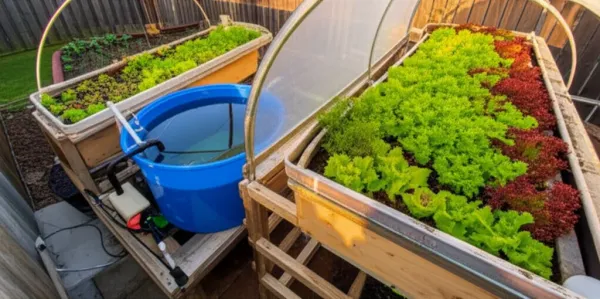
Starter equipment includes a 50-100 gallon fish tank, one or two grow beds (50-100 gallons each), a submersible pump (400-800 GPH), bell siphon components, and 3-5 cubic feet of expanded clay media. Realistic costs run $300-500 for a basic DIY system using IBC totes, or $600-800 for purpose-built components with proper stands. I've watched my 68-year-old neighbor transform from skeptical observer to daily harvester once she realized she could tend her basil and lettuce without the knee pain that ended her ground-level gardening. She checks her bell siphon each morning with her coffee, pulls a few outer kale leaves for lunch, and spends maybe twenty minutes twice weekly trimming and replanting—standing comfortably at her grow bed the entire time.
Your system needs 4-6 weeks to establish bacterial colonies before reaching full production capacity. Start with hardy goldfish or koi during this cycling period, then transition to edible fish like tilapia once ammonia and nitrite levels stabilize at zero. Plant seedlings immediately, they help jumpstart the nitrogen cycle even while bacterial populations build.
Deep Water Culture (DWC/Raft) Systems: Maximum Production Capacity
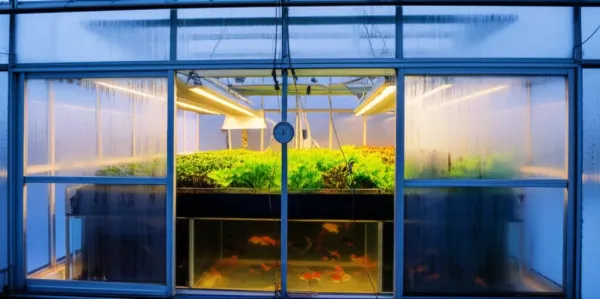
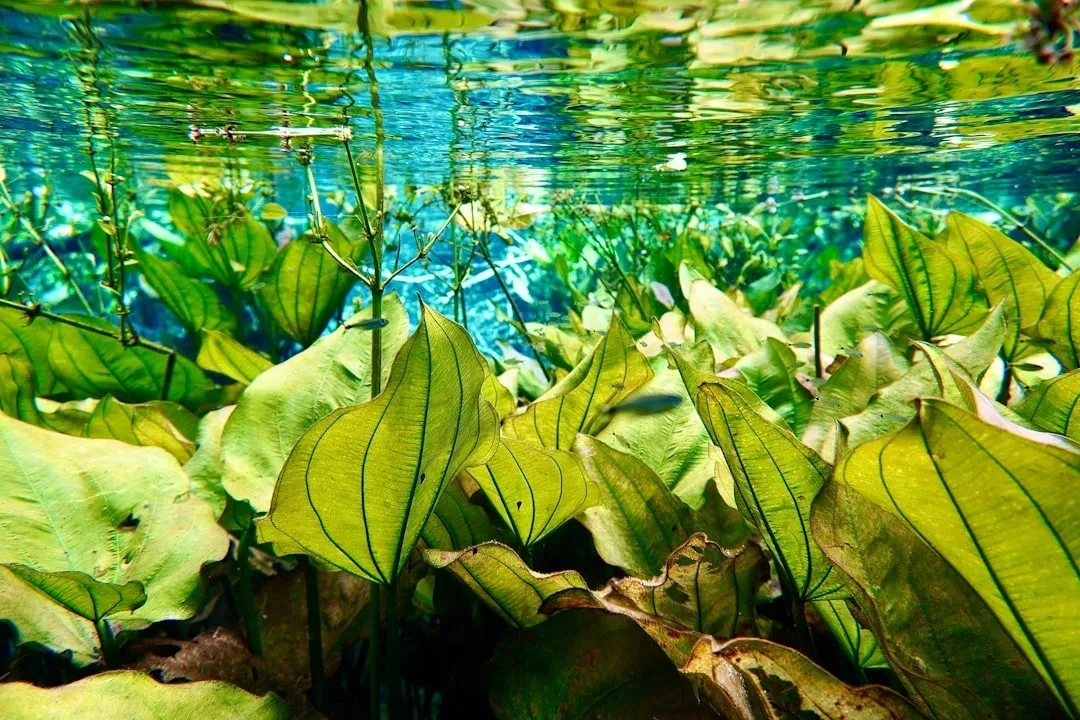
Commercial aquaponics operations favor DWC systems because they maximize plant density per square foot while simplifying harvest logistics. Plants float on foam rafts in long tanks filled with nutrient-rich water, their roots dangling directly into the solution. This continuous access to nutrients drives faster growth rates than media beds, particularly for lettuce and leafy greens that commercial growers harvest in 4-6 week cycles.
Deep Water Culture System Operation
Plants sit in net pots inserted through holes in 1-2 inch thick foam boards that float on water depth of 12-18 inches. Air stones or diffusers run continuously to maintain dissolved oxygen levels above 5 ppm, preventing root suffocation in the still water. Unlike media beds where flood-drain cycles provide oxygen, DWC roots depend entirely on mechanical aeration.
Separate filtration removes solid waste before water enters the plant rafts because the system lacks the mechanical filtration that media provides. Most home DWC setups use a settling tank where solids drop out, followed by a biofilter where beneficial bacteria colonize plastic media to convert ammonia. This three-tank minimum (fish, filter, raft) increases system complexity compared to the two-component media bed approach.
Large water volume creates temperature and pH stability that buffers against rapid changes. A 200-gallon raft tank takes hours to shift temperature even on hot days, giving you time to respond before fish or plants suffer stress. This stability explains why DWC tolerates higher fish stocking densities than other systems, according to the University of Hawaii College of Tropical Agriculture and Human Resources.
Production Capacity and Plant Selection
Lettuce varieties grow exceptionally well in DWC systems, reaching harvest size in 28-35 days depending on season and light intensity. Plant spacing of 6-8 inches for lettuce or 4-6 inches for basil allows 8-12 heads per square foot of raft surface. A 4x8 foot raft produces 96-128 lettuce heads per cycle, creating genuine food production rather than hobbyist yields.
Leafy greens dominate DWC systems because their lightweight structure suits floating rafts. Heavy fruiting plants like tomatoes or squash require additional support structures and create harvesting challenges when you're reaching over water. Herbs including basil, mint, and cilantro perform excellently, though their varying root depths require attention to net pot sizing.
Growth rates in DWC exceed media beds by 15-25% for comparable crops under identical conditions. The constant nutrient availability and optimal oxygen levels let plants focus energy on leaf production rather than extensive root development. Honestly, this advantage matters most if your goal is maximum production from limited space.
Setup Costs and Maintenance Reality
Tank costs for a home DWC system run $150-400 depending on whether you use IBC totes, stock tanks, or purpose-built components. Foam rafts cost $2-4 per square foot, air pumps and diffusers add $50-100, and the required separate filtration (settling tank plus biofilter media) contributes another $100-200. Total startup investment ranges from $400-800 for a modest system to $1,200+ for larger installations with backup equipment.
Weekly monitoring involves testing dissolved oxygen levels, checking air stone function, and ensuring water flow through filtration components. Backup aeration becomes critical, many experienced growers run dual air pumps or keep a battery-powered backup because a single pump failure can kill an entire raft of plants within hours if roots suffocate.
Physical demands center on lifting rafts for harvesting and replanting. A 4x8 foot raft covered with mature lettuce weighs 40-60 pounds, requiring two people or a mechanical assist for safe handling. This accessibility challenge makes DWC less suitable for solo growers with limited strength or mobility issues compared to waist-height media beds.
Nutrient Film Technique (NFT) Systems: Precision Growing for Enthusiasts
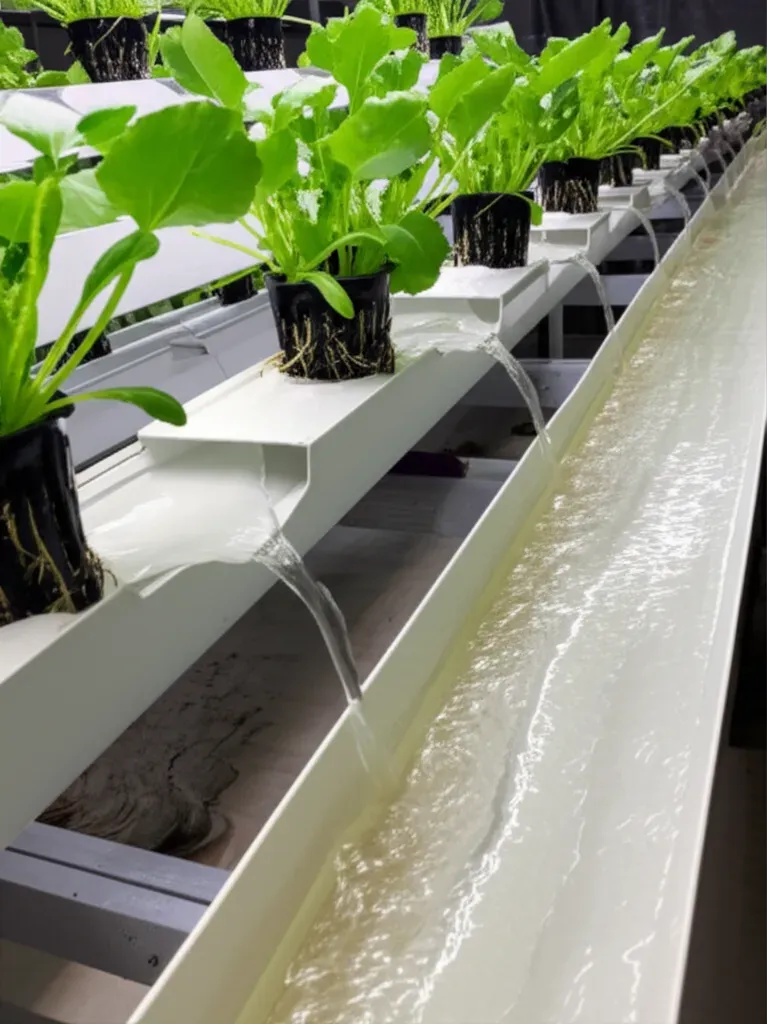
NFT systems appeal to growers who enjoy technical challenges and don't mind daily monitoring in exchange for space-efficient production. Plants grow in sloped channels where a thin film of nutrient solution flows continuously past their roots, providing both nutrients and oxygen in a precisely controlled environment. This elegance comes with vulnerability, any interruption in flow causes rapid plant stress.
How NFT Channels and Water Flow Work
Channels slope at approximately 1:100 ratio (1 inch of drop per 100 inches of length) to maintain proper flow velocity of 0.5-1.0 liters per minute. Too slow and the film becomes stagnant, too fast and roots can't absorb nutrients effectively. Plant roots grow along the channel bottom where they contact the flowing film while the upper portions remain exposed to air for oxygen uptake.
Flow rate proves critical because the thin film (2-3mm depth) provides minimal water volume for nutrient buffering. If your pump stops, roots begin drying within 15-30 minutes depending on temperature and humidity. This complete dependency on continuous flow distinguishes NFT from media beds that retain moisture or DWC systems with deep water reserves.
The absence of growing medium means NFT systems weigh significantly less than media beds, a 10-foot channel with 20 plants weighs under 30 pounds compared to 200+ pounds for an equivalent media bed. This weight advantage allows mounting channels on walls or lightweight stands that wouldn't support gravel-filled beds.
Why NFT Demands More Attention
Limited water volume in the channels creates rapid pH and temperature fluctuations that require daily monitoring, according to the University of Massachusetts Extension. A hot afternoon can raise channel temperature 5-8°F in an hour, stressing plants and reducing dissolved oxygen. The small system volume means corrections must happen quickly before fish or plants suffer damage.
Root blocking occurs when vigorous plants develop extensive root masses that impede flow through channels. You'll notice this as water backing up behind certain plants or dry spots forming downstream. Monthly root pruning becomes necessary for fast-growing crops like basil, adding a maintenance task that media beds and DWC systems don't require.
Complete pump dependency means backup systems aren't optional for serious growers. Many NFT practitioners run dual pumps on separate electrical circuits or keep a battery-powered backup pump ready for power outages. This redundancy adds cost and complexity that casual hobbyists often find excessive, to be fair, it's why NFT suits dedicated enthusiasts more than weekend gardeners.
Best Crops and System Limitations
Herbs and lightweight leafy greens represent ideal NFT crops because their compact root systems don't block channels and their low weight doesn't stress the sloped growing structure. Basil, lettuce, arugula, and Asian greens all perform excellently with proper management. Plant spacing of 4-6 inches allows 25-30 plants per 10-foot channel.
Fruiting plants like tomatoes or peppers fail in NFT systems because their heavy fruit weight pulls plants out of net pots and their extensive root systems block flow completely. The shallow nutrient film can't support the water demands of large plants during hot weather, leading to wilting even with proper flow rates.
Consider NFT over other systems when you have limited floor space but available wall area, enjoy technical monitoring and system optimization, and want to focus on herbs or lettuce rather than diverse crop types. If your priority is low-maintenance food production or you travel frequently, media beds or DWC systems better match those criteria. Research from the University of the Virgin Islands' Commercial Aquaponics Research Program found that lettuce varieties in NFT systems achieved harvest weights of 150-200 grams in just 28-35 days, compared to 42-50 days in traditional soil cultivation. The same study documented that basil production in optimized NFT channels yielded 6-8 harvests annually with consistent quality, while fruiting crops like tomatoes experienced 60-70% transplant failure rates due to root blockages forming within 3-4 weeks of establishment. These findings align with commercial grower reports showing that leafy greens in NFT systems consistently outperform soil-based production by 20-25% in growth rate when dissolved oxygen levels remain above 6 mg/L.
System Selection Guide: Cost and Physical Demands
| System Type | Initial Setup Cost | Ongoing Expenses | Physical Demands | Best For |
|---|---|---|---|---|
| Media Bed | $300-600 | Low (minimal monitoring) | Moderate (lifting beds) | Beginners, diverse crops |
| DWC/Raft | $800-1,200 | Moderate (pump maintenance) | Moderate (managing rafts) | High-volume lettuce/greens |
| NFT | $500-900 | High (backup pumps, frequent checks) | Low (minimal lifting) | Enthusiasts, leafy greens |
| Vertical | $600-1,000 | Moderate-High (pump reliability) | High (bending, climbing) | Limited space, technical users |
| Wicking Bed | $250-500 | Low (passive system) | Low (minimal maintenance) | Passive operation, small spaces |
| Hybrid | $700-1,400 | Moderate (combined systems) | Moderate-High (varies) | Custom optimization, flexibility |
Vertical Aquaponics Systems: Maximizing Limited Space
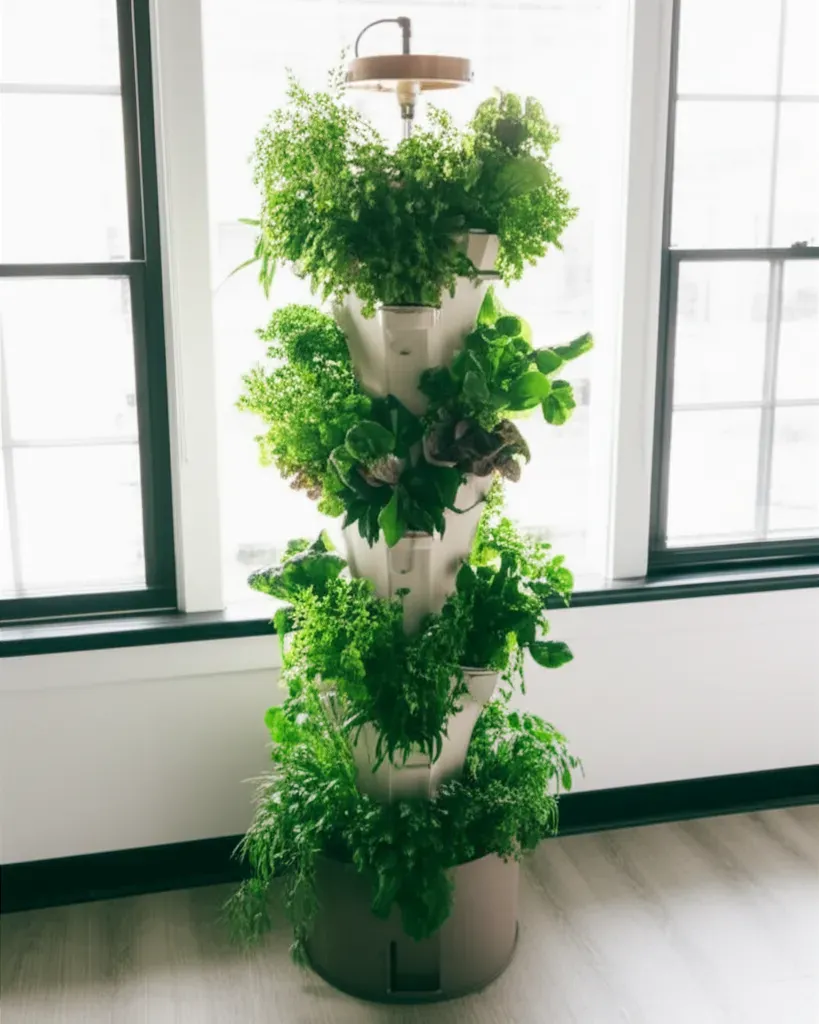
Vertical systems stack plants in towers or multiple tiers, multiplying your growing area within the same floor footprint. A 4-square-foot tower can support 40-60 plants compared to 8-12 in a horizontal media bed occupying the same floor space. This density advantage makes vertical systems essential for urban growers working with balconies, patios, or small yards where horizontal expansion isn't possible.
Tower and Column Configurations
Plant towers use vertical columns with planting pockets or holes arranged in spirals or vertical rows. Water pumps to the top and trickles down through the column, contacting plant roots at each level before returning to the fish tank. Most towers stand 4-6 feet tall and measure 6-12 inches in diameter, creating a compact footprint with substantial surface area.
Growing medium in towers typically consists of coconut coir, perlite, or specialized vertical growing media rather than heavy expanded clay. The lightweight medium prevents structural stress on the tower and simplifies mounting to walls or stands. Some designs eliminate medium entirely, using misting systems to keep exposed roots moist.
Advantages and Accessibility Challenges
Space efficiency delivers the primary advantage, vertical systems produce 3-5 times more plants per square foot of floor space compared to horizontal configurations. This multiplication matters critically in urban environments where rent or property costs make every square foot valuable. A balcony that fits one media bed can accommodate three towers producing triple the harvest.
Accessibility creates the significant disadvantage, reaching plants at the top of a 6-foot tower requires step stools or ladders that pose fall risks, particularly when handling water or harvesting. Lower plants at ground level demand bending or kneeling that challenges people with back or knee problems. The middle zone at waist height offers good access, but represents just 30-40% of total planting sites.
Best Applications and Setup Considerations
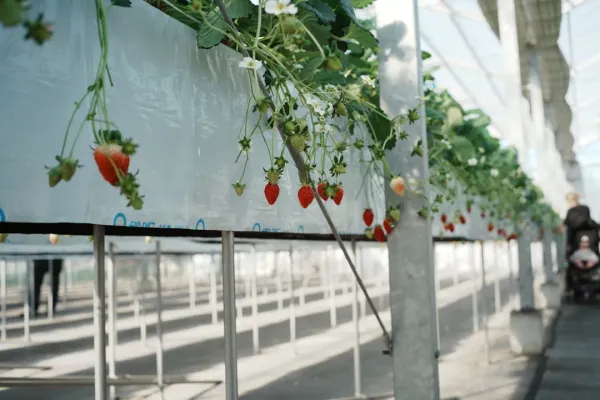
Herbs and strawberries excel in vertical systems because their compact size suits tower pockets and their high value per plant justifies the additional complexity. A single tower producing fresh basil, cilantro, and mint provides more culinary value than the equivalent floor space devoted to lettuce. Strawberries appreciate the vertical orientation that keeps fruit off the ground and improves air circulation around developing berries.
Startup costs for vertical systems range from $350-600 for DIY tower builds using PVC pipe and basic pumps to $800-1,200 for commercial tower kits with integrated filtration and aeroponic misting. Installation requires secure mounting because a saturated 6-foot tower weighs 60-100 pounds and creates a tipping hazard if not properly anchored. I learned about tower accessibility the hard way when I planted premium Thai basil at the top of my first 7-foot system and found myself on a stepladder with pruning shears in one hand, trying to steady myself against a wet PVC pipe. Now I reserve those upper pockets for lower-maintenance plants I harvest less frequently—like oregano and thyme—while keeping my weekly-harvest basil and cilantro in that golden middle zone where I can reach them with both feet planted firmly on the ground.
Look, vertical systems make sense when your floor space costs more than your time, you're physically capable of working at various heights, and you want to focus on high-value compact crops. They're poor choices for growers with mobility limitations, those wanting large fruiting plants, or anyone seeking the lowest-maintenance option.
Hybrid and Specialized Systems: Combining Approaches for Better Results
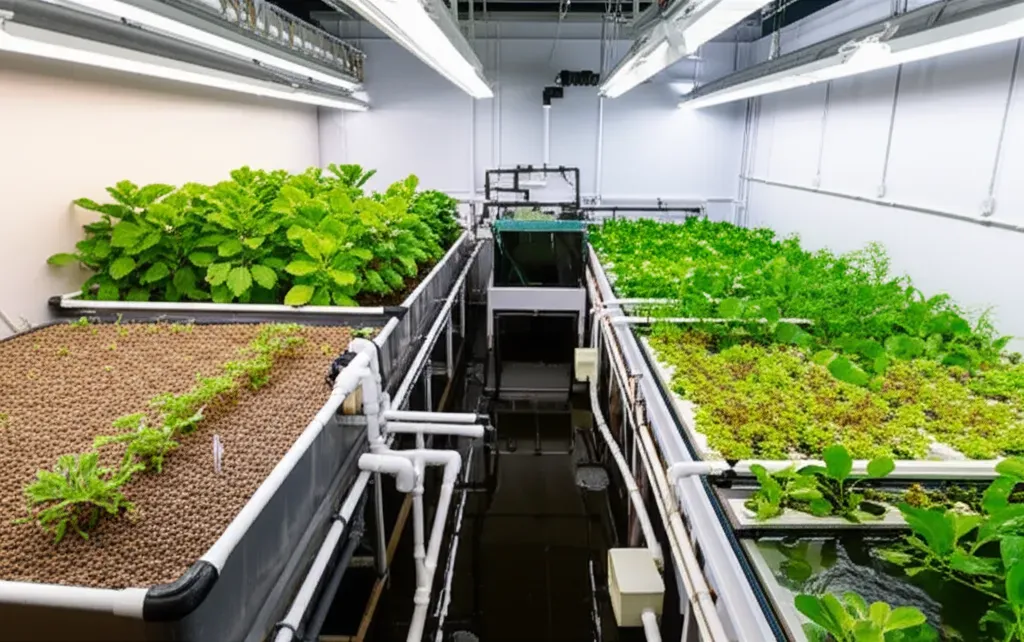
Hybrid systems integrate multiple aquaponics techniques to leverage the strengths of each method while minimizing individual weaknesses. The most common configuration combines media beds for biofiltration with raft systems for production, creating a setup that filters water naturally while maximizing growing capacity. This approach appears in many successful commercial operations and advanced home systems.
Media Bed Plus Raft Combinations
The hybrid design routes water from fish tanks through media beds first, where mechanical and biological filtration removes solids and converts ammonia. Clean, nutrient-rich water then flows into raft tanks for plant production before returning to the fish. This sequence provides robust filtration without requiring separate biofilter components that add cost and complexity.
Filtration capacity from the media bed section allows higher fish stocking densities than standalone raft systems could support. The bacterial colonies in the media process waste efficiently, maintaining water quality even when feeding fish aggressively to maximize growth rates. Many commercial growers stock fish at 1 pound per 5-7 gallons in hybrid systems compared to 1 pound per 10 gallons in DWC-only setups.
Wicking Bed Systems for Passive Operation
Wicking beds use capillary action to draw water upward from a reservoir through growing medium to plant roots, eliminating the need for pumps or flood-drain mechanisms. A layer of gravel or sand at the bed bottom sits partially submerged in water, wicking moisture upward into the soil or growing medium above where plants grow.
The passive operation makes wicking beds ideal for off-grid installations or situations where electricity costs or reliability concern you. Once filled, the system maintains itself for days or weeks depending on reservoir size and plant water demands. Limitations include slower nutrient delivery compared to active flood-drain systems and the challenge of maintaining proper moisture levels throughout the growing medium.
Choosing and Customizing Your System
System selection ultimately depends on matching technical complexity to your skill level and available time. Beginners should start with media beds to build confidence before attempting NFT or complex hybrid designs. The forgiving nature of flood-drain systems lets you learn water chemistry, fish behavior, and plant nutrition without catastrophic failures from minor mistakes.
Budget constraints often dictate starting simple and expanding later rather than building an elaborate hybrid system immediately. A $400 media bed system that produces food for six months teaches you more than a $1,500 hybrid system that overwhelms you with monitoring requirements and sits partially unused. Many successful growers operate basic systems for 1-2 years before adding raft tanks or vertical components.
Space availability might override other considerations entirely, a balcony grower has no choice but vertical systems regardless of accessibility challenges, while a backyard grower can optimize for ease of use with waist-height media beds. Your production goals determine whether simple systems suffice or whether hybrid complexity becomes worthwhile. "Start with the simplest system that meets your goals—complexity is the enemy of consistency in aquaponics," says Dr. Nate Storey, Chief Science Officer at Bright Agrotech and aquaponics researcher with over a decade of commercial system design experience.
Start with the simplest system that meets your space and production requirements, then expand or modify based on actual experience rather than theoretical optimization. The best aquaponics system is the one you'll actually maintain consistently, which usually means the one that matches your available time and physical capability rather than the one with maximum theoretical efficiency.
Related Articles
- Complete Guide to Aquaponics Systems: How They Work & Getting Started
- How Does an Aquaponics System Work? The Complete Cycle Explained
- Types of Aquaponics Systems: Design Methods & Best Practices
- Aquaponics System Pros and Cons: Is It Right for You?
- Best Fish for Aquaponics Systems: Complete Species Guide
Frequently Asked Questions
Which aquaponics system is best for beginners with no experience?
Media bed (flood and drain) systems are the beginner-friendly choice because they provide mechanical filtration through gravel, tolerate some monitoring lapses, and have lower ongoing costs. They're more forgiving than NFT or DWC systems while still delivering reliable plant growth.
What's the difference between DWC and NFT systems?
DWC (Deep Water Culture) systems maintain constant water depth with plants floating on rafts, offering maximum production capacity for leafy greens. NFT (Nutrient Film Technique) systems flow a thin water film through channels and demand more precise monitoring but use less water and are better for enthusiasts who can maintain consistent attention.
How much space do I need for an aquaponics system?
Space requirements vary by system type. A 4x8 foot raft system needs 32 square feet plus walkway access on at least two sides, while vertical systems maximize limited space with stacked towers. Measure your actual growing area before choosing a system to ensure it fits your physical location.
What's the total cost to set up an aquaponics system?
Setup costs range from $300 for a basic media bed to $1,200 for commercial-style DWC systems with proper filtration. However, initial cost doesn't reflect total investment—media beds have high upfront grow media costs but minimal ongoing expenses, while NFT systems need cheaper materials initially but require backup pumps and frequent monitoring.
Can I use an aquaponics system if I have mobility or back problems?
Yes, but system choice matters significantly. Avoid media beds that require lifting saturated grow beds for maintenance, and skip vertical towers if bending repeatedly is difficult. Raft systems with accessible water height are better options for people with physical limitations.
How often do I need to monitor and maintain my aquaponics system?
Monitoring frequency depends on system type. Media beds tolerate 2-3 day absences, while NFT systems demand daily attention to water flow and nutrient levels. Choose a system matching your available time commitment to avoid system failures and crop loss.
What are hybrid aquaponics systems and when should I use them?
Hybrid systems combine multiple approaches, such as pairing media beds with raft sections or adding wicking beds for passive operation. They're ideal when you want to optimize different crops (heavy feeders in one section, lighter feeders in another) or balance active and passive growing areas.
Do all aquaponics systems need the same basic components?
Yes, every aquaponics system requires a fish tank, growing beds, and biofilters to convert ammonia into usable nitrogen. What differs between systems is how water circulates, what grows the plants, and where beneficial bacteria colonize—these differences affect filtration needs, oxygen availability, and maintenance requirements.