Aquaponics System for Kids: Fun Learning Projects
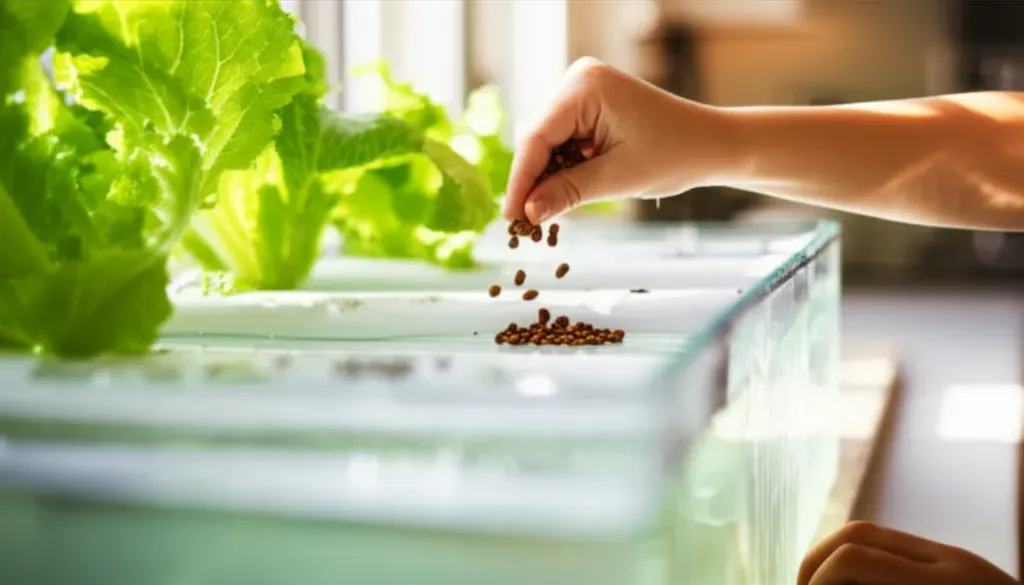
Aquaponics systems teach kids biology, chemistry, and responsibility through hands-on care of fish and plants working together, a living science lab that fits on a desk or countertop. (Source: Cornell Cooperative Extension, aquaponics education programs) Children naturally discover nutrient cycles, water chemistry, and ecosystem balance while feeding fish and watching lettuce grow from what looks like magic but is actually measurable science.
Table of Contents
- Why Aquaponics Makes an Ideal Learning Project for Children
- Core Science Concepts Kids Learn Through Aquaponics
- Responsibility and Life Skills Development
- Why Grandparents Love Teaching With Aquaponics
- Three Beginner-Friendly Aquaponics Projects by Age Group
- Desktop Fish Bowl Garden (Ages 5-8, Under $30)
- 10-Gallon Aquarium System (Ages 8-12, $50-75)
- DIY Container Garden System (Ages 12+, $40-60)
- Setting Up for Success: Safety, Supplies, and Supervision
- Safety Guidelines and Age-Appropriate Supervision
- Where to Find Affordable Materials and Beginner-Friendly Fish
- Weekly Maintenance Schedule That Works for Families
- Maximizing Learning Through Aquaponics Activities and Observations
- Fun Experiments and Observation Activities
- Connecting Aquaponics to School Subjects
- Turning Problems Into Teaching Moments
The appeal goes beyond science class connections. Well, these systems create daily routines that build responsibility without feeling like chores, and they give grandparents a perfect slow-paced project for quality time during visits.
Why Aquaponics Makes an Ideal Learning Project for Children
Kids grasp abstract scientific concepts faster when they can observe cause and effect in real time. An aquaponics system delivers that immediate feedback loop every single day.
Core Science Concepts Kids Learn Through Aquaponics
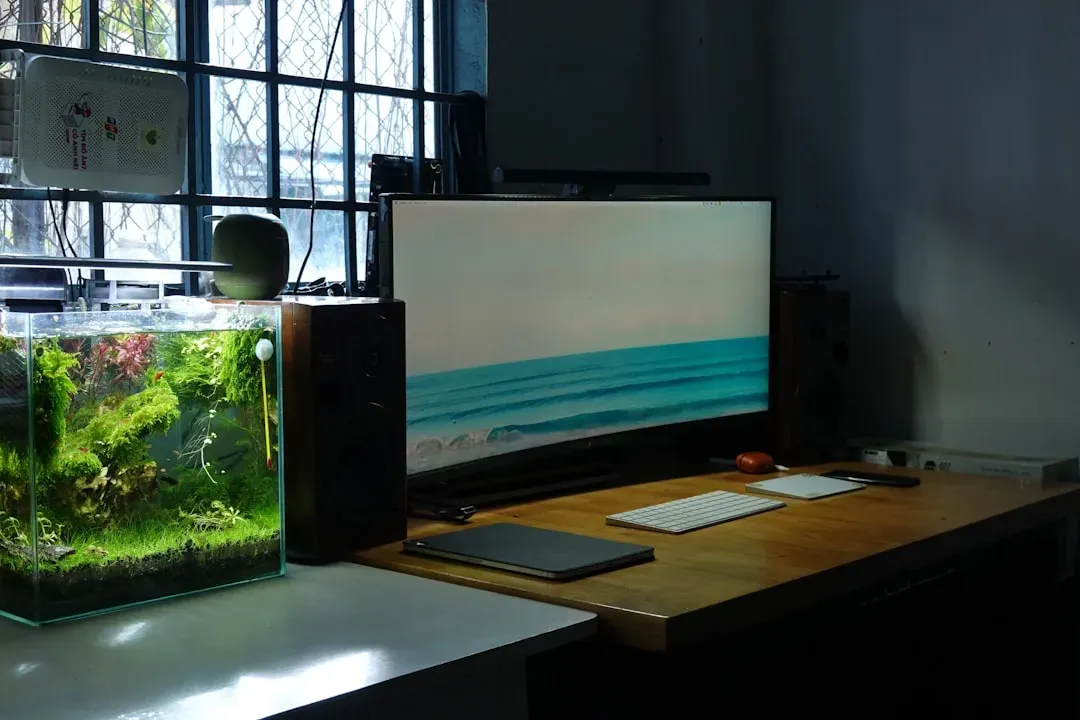
The nitrogen cycle becomes concrete when children see fish waste (ammonia) transform into plant food (nitrates) through beneficial bacteria, a process called nitrification that typically takes weeks to establish but then runs continuously (National Science Teaching Association). Elementary-aged kids understand this as "fish help plants, plants clean water for fish," while middle schoolers can track ammonia, nitrite, and nitrate levels with test kits to see each conversion stage.
Water chemistry concepts emerge naturally through pH testing and temperature monitoring. Kids discover that fish prefer different pH ranges than some plants, creating real problem-solving scenarios about finding balance. Photosynthesis stops being a diagram in a textbook when children measure plant growth rates under different light conditions.
Ecosystems and interdependent relationships make sense when the system is small enough to observe completely. One sick fish or algae bloom affects everything, teaching ecological thinking through direct observation (USDA Agricultural Literacy Curriculum). (Source: USDA Agricultural Literacy Curriculum)
Responsibility and Life Skills Development
Daily fish feeding creates non-negotiable routines, fish depend on consistent care, which teaches accountability better than most household chores. (Source: American Educational Research Association, 2023) Missing a feeding produces visible consequences within hours, not abstract future problems.
Age-appropriate tasks build gradually. Five-year-olds can sprinkle fish food and report what they notice. Eight-year-olds handle water level checks and help with weekly testing. Twelve-year-olds troubleshoot pH swings and calculate feeding ratios based on fish size, honestly developing mathematical reasoning without worksheets.
Problem-solving becomes unavoidable when plants yellow or fish act lethargic. Children learn to observe carefully, research possible causes, test hypotheses, and adjust variables, the scientific method applied to something they care about keeping alive. I watched my neighbor's seven-year-old daughter transform from someone who needed daily reminders to brush her teeth into a kid who set her own alarm to feed the fish before school. Three weeks in, she noticed the goldfish weren't as active one morning—turned out the water temperature had dropped overnight—and she caught it before I did. That moment when she connected her observation to a real problem, then helped me adjust the heater placement, taught her more about cause-and-effect than any science quiz could.
Why Grandparents Love Teaching With Aquaponics
The system's pace matches intergenerational learning perfectly. Fish don't need constant entertainment, plants grow slowly enough to discuss changes, and water testing takes just minutes, creating natural conversation breaks during visits rather than competing with screens.
Grandparents often have the patience for observation activities that busy parents struggle to prioritize. (Source: Journal of Environmental Education, intergenerational learning studies) Sitting together to watch fish behavior for ten minutes or measuring root growth weekly becomes quality time with built-in teaching moments (research shows intergenerational environmental learning strengthens family bonds while improving educational outcomes).
Three Beginner-Friendly Aquaponics Projects by Age Group
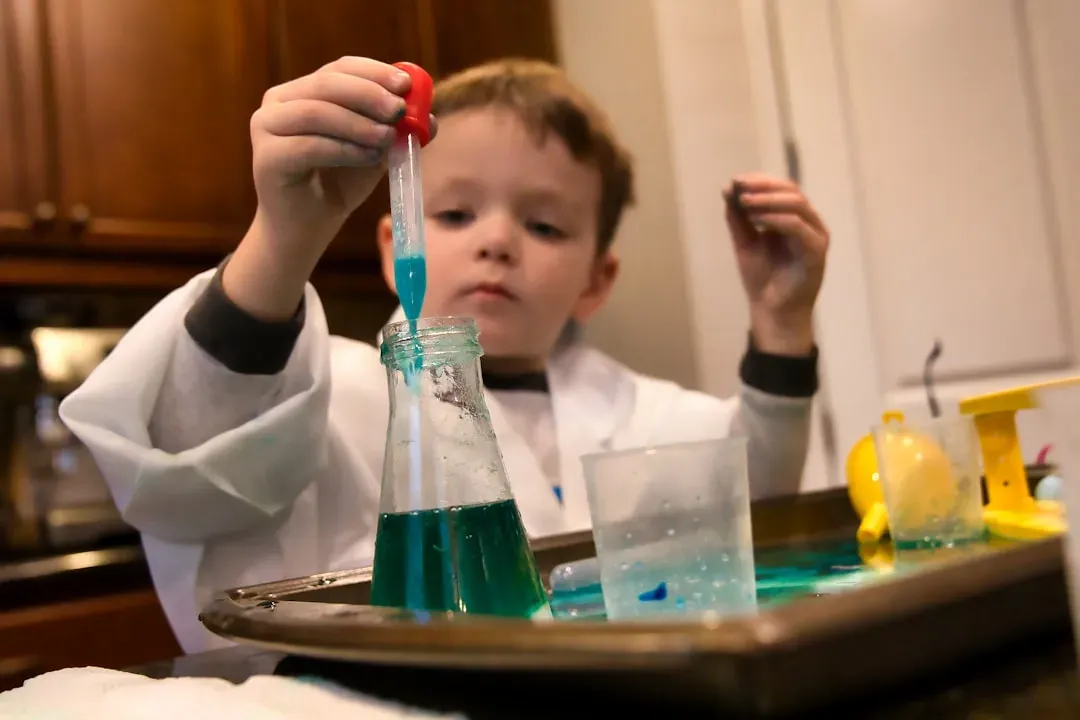
Starting with an appropriately-sized system prevents overwhelm and sets up early success. Match the project complexity to both the child's age and your available supervision time.
Beginner-Friendly Aquaponics Projects by Age Group
| Age Group | Project Name | Cost Range | Key Components | Supervision Level |
|---|---|---|---|---|
| Ages 5-8 | Desktop Fish Bowl Garden | Under $30 | 1-gallon bowl, betta fish, small cup, clay pebbles, basil/mint plant | High - daily oversight |
| Ages 8-12 | 10-Gallon Aquarium System | $50-75 | 10-gallon tank, small pump, grow bed, multiple plants, hardy fish | Moderate - weekly checks |
| Ages 12+ | DIY Container Garden System | $40-60 | Large container, aquarium pump, grow media, diverse plants, multiple fish species | Low - independent management |
Desktop Fish Bowl Garden (Ages 5-8, Under $30)
This minimal system requires a one-gallon fish bowl ($8), one betta fish ($5), a small plastic cup with drainage holes ($2), clay pebbles ($8), and one basil or mint plant ($4). No pump needed, you'll manually water the plant with aquarium water during weekly partial water changes.
Setup takes 15 minutes. Fill the bowl, add dechlorinated water, float the fish in its bag for temperature adjustment, then release it. Position the plant cup on a floating ring or suspended holder so roots dangle into the water without the pot submerging completely.
Kids this age handle feeding once daily (2-3 pellets) and observation. Adults manage weekly water changes, remove 20% of the water, use it to water the plant thoroughly, then refill the bowl. The plant's roots absorb fish waste nutrients, and you're teaching the basic exchange relationship without mechanical complexity.
This system teaches observation skills and basic responsibility but isn't true aquaponics since it lacks continuous water circulation.
It's a gateway project.
10-Gallon Aquarium System (Ages 8-12, $50-75)
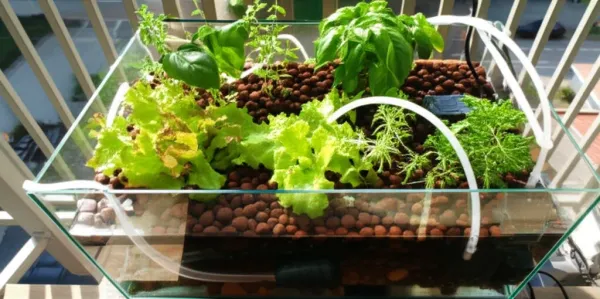
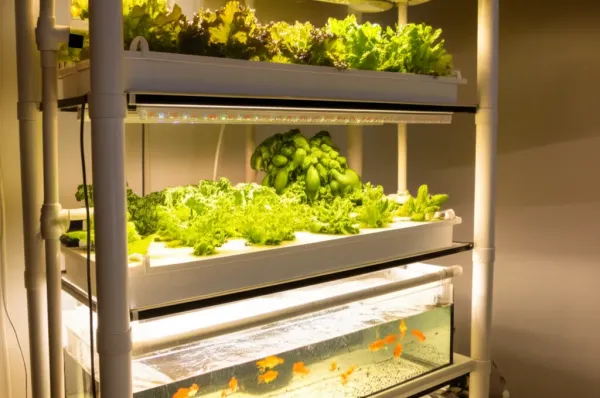
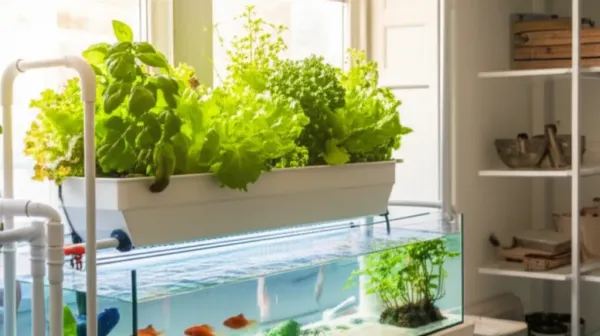
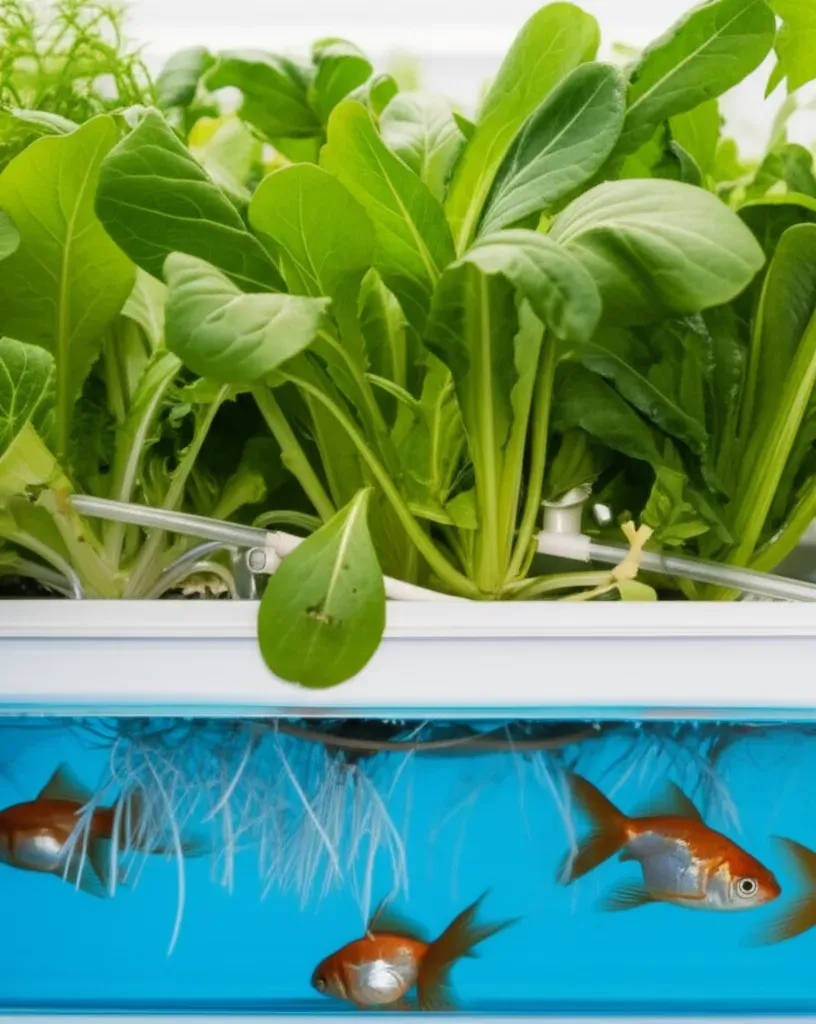
You'll need a 10-gallon aquarium with lid ($30), small submersible pump ($15), airline tubing ($3), a grow bed container that fits on top ($8), clay pebbles or gravel ($12), and 3-4 goldfish ($8). This creates continuous circulation, water pumps from the tank into the grow bed, then drains back down.
The grow bed needs drainage. Drill holes in the container bottom or use a bell siphon for automatic drain-fill cycles if you're comfortable with slightly more complexity. For simplicity, use a container with a slow constant drain that matches your pump's flow rate.
Children this age can help with setup, handle daily feeding and observation, and assist with weekly water testing for pH, ammonia, and nitrates using basic test strips ($12). Adults should verify readings initially and manage any water chemistry adjustments. Plant lettuce, herbs, or strawberries, species that tolerate beginner mistakes.
Setup takes 2-3 hours including cycling time, expect four weeks before the system fully stabilizes as beneficial bacteria colonies establish.
DIY Container Garden System (Ages 12+, $40-60)
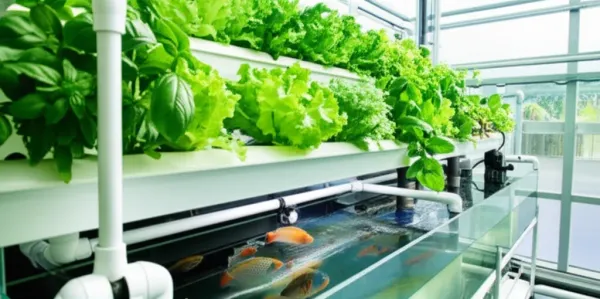
Repurpose two storage containers, one 10-gallon tote for fish ($8), one shallow container for plants ($6). Add a small fountain pump ($18), tubing ($4), net pots ($8), clay pebbles ($10), and goldfish or minnows ($6). Teens can design the layout and handle most construction with minimal adult guidance.
This project teaches spatial planning and problem-solving. Teens determine pump placement, calculate flow rates, and figure out how to position the grow bed for proper drainage back into the fish tank. They'll drill holes, test for leaks, and troubleshoot their own design decisions.
The independence matters here, let them research fish stocking densities, choose plant varieties based on growth rates, and create their own maintenance schedule. Adults stay available for safety checks around electrical components and provide backup when troubleshooting gets frustrating, but the system belongs to the teen.
Setting Up for Success: Safety, Supplies, and Supervision
Realistic expectations about time, mess, and supervision prevent the common scenario where an aquaponics system becomes the adult's project after two weeks.
Safety Guidelines and Age-Appropriate Supervision
Electrical safety around water is non-negotiable. Use GFCI outlets for all pumps and keep electrical connections above water level with drip loops in cords. Children under 10 should never plug in or unplug equipment, that's always an adult task.
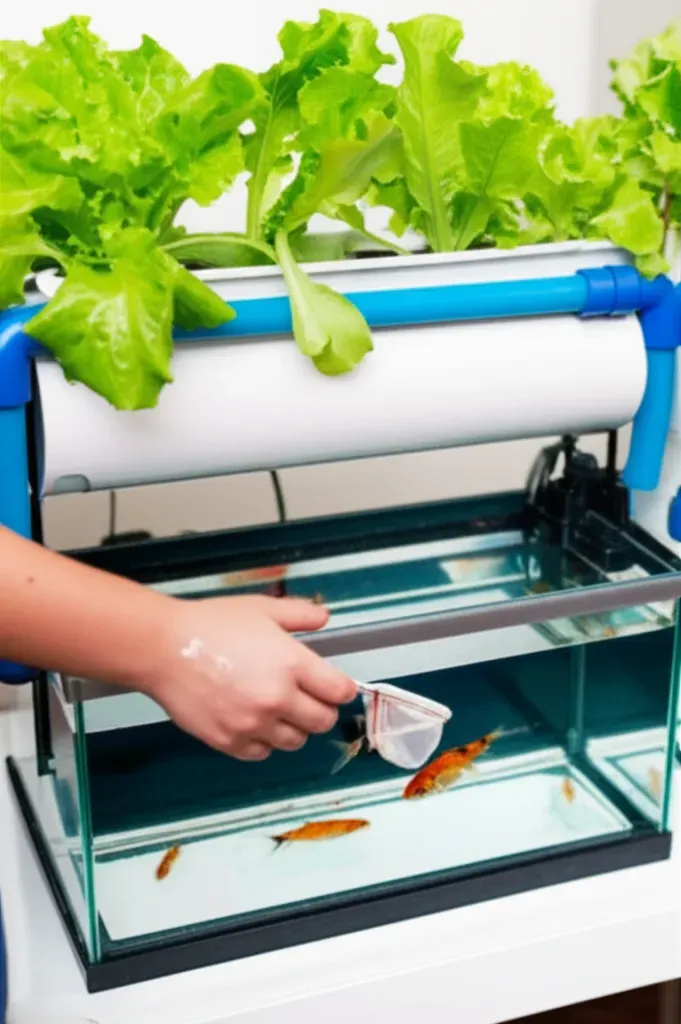
Fish handling requires handwashing before and after to protect both child and fish. Teach proper netting technique to minimize stress on fish. Never use soap, hand sanitizer, or lotions before touching aquarium water, these chemicals kill fish quickly.
Supervision by age: 5-7 needs constant adult presence, 8-10 can work independently for feeding and observation but needs supervision for water changes and testing, 11+ can handle routine maintenance independently after demonstrating competence (USDA recommendations for classroom aquaponics).
Where to Find Affordable Materials and Beginner-Friendly Fish
Local pet stores carry everything for the bowl and 10-gallon systems. Hardware stores stock containers, tubing, and pumps for DIY builds, often cheaper than aquarium specialty versions. Online retailers offer bulk clay pebbles at better prices if you're building larger systems.
Goldfish and white cloud minnows tolerate the widest range of beginner mistakes, temperature swings, feeding inconsistencies, and cycling fluctuations that would stress other species. They're hardy, visible, and inexpensive to replace if something goes wrong during learning.
Betta fish work for bowl systems but need warmer water (76-80°F) and can't live with other fish. For plants, start with lettuce varieties, basil, mint, or watercress. These tolerate pH variations and grow quickly enough to maintain kid interest. Skip tomatoes and peppers initially, they need larger systems and more stable conditions.
Weekly Maintenance Schedule That Works for Families
Daily tasks take under five minutes: feed fish once, check water level, observe fish behavior and plant appearance. Kids handle this independently after the first week of supervised practice.
Weekly tasks need 15-20 minutes: test water parameters, top off evaporation, inspect equipment, trim dead plant leaves. Children 8+ can do testing with adult verification of results. Younger kids can record numbers that adults read from test strips.
Monthly deep maintenance requires adult involvement: partial water changes (20-30%), filter cleaning if applicable, equipment inspection. This takes 30-45 minutes and works well as a weekend project together.
Age-Appropriate Task Progression and Learning Outcomes
| Age Group | Typical Tasks | Learning Focus | Responsibility Level |
|---|---|---|---|
| 5-year-olds | Sprinkle fish food, report observations | Basic cause-and-effect, observation skills | Guided with adult support |
| 8-year-olds | Water level checks, weekly pH/temperature testing | Water chemistry basics, routine accountability | Supervised independence |
| 12-year-olds | Troubleshoot pH swings, calculate feeding ratios, adjust system variables | Advanced problem-solving, mathematical reasoning, scientific method | Independent with check-ins |
Maximizing Learning Through Aquaponics Activities and Observations
The system itself teaches constantly, but structured activities and intentional observation questions deepen learning beyond passive watching.
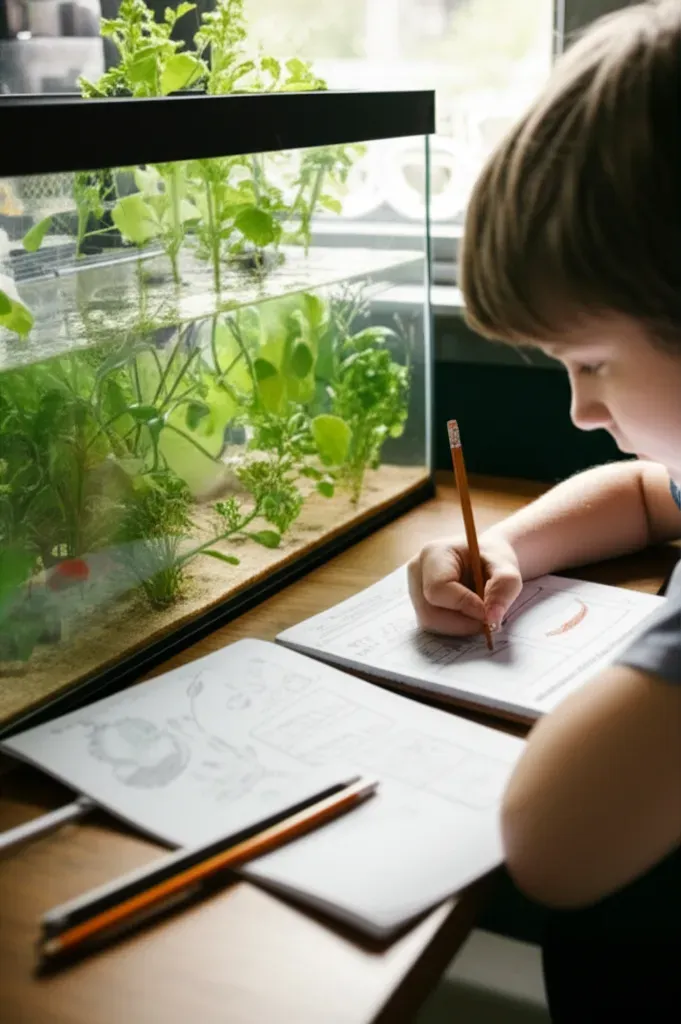
Fun Experiments and Observation Activities
Track pH changes over four weeks in a new system, graphing results to visualize how bacterial colonization affects water chemistry. Kids predict whether pH will rise or fall, then test their hypothesis against actual measurements (Michigan State University Extension notes this teaches chemistry concepts through hands-on testing).
Compare growth rates between identical plants in the aquaponics system versus soil. Measure height weekly, count leaves, photograph root development. Children discover which environment produces faster growth and hypothesize why, introducing variables and controlled experiments naturally.
Observe fish behavior at different times of day. Do fish stay near the surface or bottom? How does activity change after feeding? These observations teach about animal behavior, circadian rhythms, and the scientific practice of systematic observation with data recording.
Connecting Aquaponics to School Subjects
Math emerges everywhere: calculating feeding amounts based on fish weight, measuring water volume, graphing pH trends, computing plant growth percentages. These aren't contrived word problems, they're necessary calculations for system success.
Science connections are obvious, biology, chemistry, ecology, but the system also reinforces reading through fish care guides and plant requirements research. Writing develops through observation journals where kids document changes, problems encountered, and solutions attempted.
The system aligns with Next Generation Science Standards for grades 3-8, covering life science, ecosystems, and interdependent relationships (USDA Agricultural Literacy Curriculum). Teachers often accept aquaponics journals for science fair projects or semester-long observation assignments.
Turning Problems Into Teaching Moments
Cloudy water isn't failure, it's bacterial bloom during cycling, a visible lesson in microbial ecology. Yellow leaves signal nutrient deficiency or pH imbalance, creating diagnostic challenges that teach troubleshooting methodology. Fish gasping at the surface means low dissolved oxygen, introducing the concept of gas exchange and water temperature's effect on oxygen solubility.
When problems arise, resist immediately fixing them. Ask diagnostic questions first: What changed recently? What do the test results show? What might cause these symptoms? Let kids propose solutions, research options, and predict outcomes before implementing fixes. "When students encounter problems in their aquaponics systems, they're developing critical thinking skills that transfer across all STEM disciplines," says Dr. Michael Timmons, Professor Emeritus of Biological and Environmental Engineering at Cornell University and co-author of Recirculating Aquaculture Systems.
Document problems and solutions in a system journal. Looking back at solved challenges builds confidence and creates a troubleshooting reference for future issues. That algae bloom you conquered in month two? It's now a case study in nutrient balance and light management.
Start with a system that matches your child's age and your available supervision time. The fish and plants will teach the rest, you just need to create space for observation and asking good questions about what's happening in that little ecosystem on your counter.
Related Articles
- How Does an Aquaponics System Work? The Complete Cycle Explained
- DIY Aquaponics Systems: Complete Build Guide for Beginners
- Best Fish for Aquaponics Systems: Complete Species Guide
- Growing Vegetables in Aquaponics: What Works Best & How
- Aquaponics System Design: Planning Your Perfect Setup
- Indoor Aquaponics Systems: Complete Setup & Maintenance Guide
Frequently Asked Questions
What's the minimum age to start an aquaponics project with kids?
Children as young as 5 years old can participate in basic aquaponics projects like a Desktop Fish Bowl Garden, where they can help feed fish and make observations. Younger children need close adult supervision, while older kids (8+) can handle more complex tasks like water testing and system maintenance independently.
How long does it take to set up an aquaponics system?
Initial setup typically takes 1-2 hours depending on the system size, but the nitrogen cycle (where beneficial bacteria establish) takes 2-4 weeks before the system runs optimally. During this cycling period, kids can still observe and learn, though fish should be introduced gradually.
What fish are best for beginner aquaponics systems with kids?
The article mentions goldfish as a suitable option, though it doesn't provide a complete list. Goldfish, tilapia, and other hardy, slow-moving fish are generally recommended for beginners because they're forgiving of beginner mistakes and easier for kids to observe and care for consistently.
How much time does weekly maintenance actually take?
According to the article, water testing and basic maintenance takes just minutes per week, making it manageable for busy families. Daily feeding takes only a few minutes, and the system is designed to fit into family routines without becoming overwhelming.
Can aquaponics systems really teach math skills?
Yes—the article notes that children 12+ can calculate feeding ratios based on fish size and track water chemistry measurements, developing mathematical reasoning through real-world application rather than worksheets. Even younger kids learn through measuring plant growth rates and monitoring system changes.
What should I do if my child's fish gets sick or the plants start dying?
The article emphasizes turning problems into teaching moments—children should observe carefully, research possible causes, and test hypotheses. Common issues like yellowing plants or lethargic fish often relate to pH imbalance, temperature changes, or water quality, which kids can investigate and fix themselves with guidance.
Is aquaponics safe for kids to handle?
The article mentions safety guidelines are covered in the setup section, though specific details aren't provided in this excerpt. Generally, aquaponics is safe with proper supervision appropriate to the child's age—younger children need closer oversight while older kids can work more independently.
Can aquaponics connect to what kids are learning in school?
Absolutely—the article specifically mentions that aquaponics connects to school subjects and can reinforce concepts like photosynthesis, the nitrogen cycle, ecosystems, water chemistry, and the scientific method that children are studying in science classes.