DIY Aquaponics System Kit: What You Need & Where to Buy
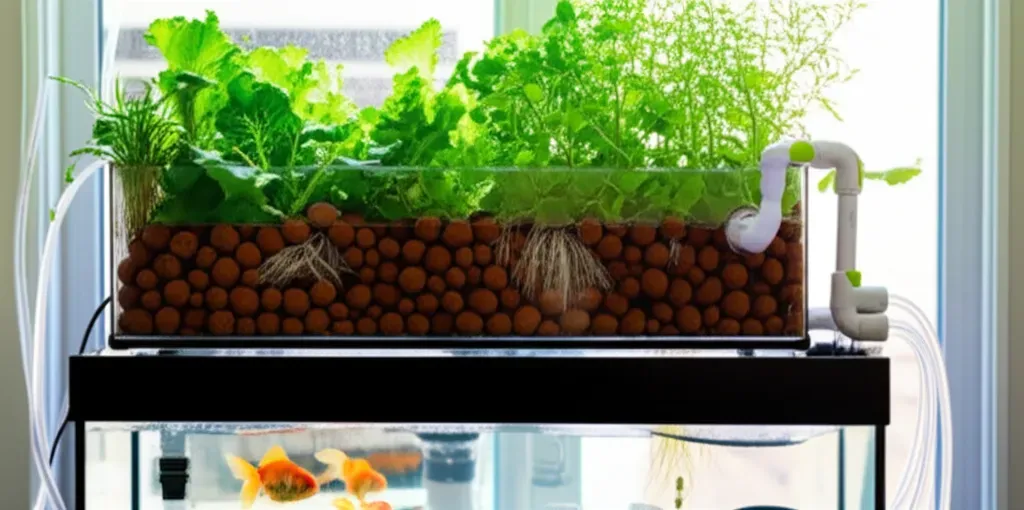
A complete DIY aquaponics system kit needs a fish tank, grow bed, water pump, air pump, plumbing connections, grow media, and water testing equipment to create a functioning ecosystem. You're essentially assembling a miniature nitrogen-processing factory where fish waste becomes plant food, and you'll need each component working together to maintain that biological balance.
Table of Contents
- Essential Components Every DIY Aquaponics Kit Should Include
- Core System Components and Their Functions
- Grow Media and Testing Equipment You Can't Skip
- Safety and Backup Systems Worth Considering
- Choosing the Right Kit Size and System Type for Your Space
- Small-Scale Systems for Beginners and Limited Spaces
- Medium Systems for Serious Home Gardeners
- Matching System Type to Your Physical Capabilities
- Budget Planning: What to Expect to Spend on Your DIY Kit
- Entry-Level Kit Budgets ($100-$300)
- Mid-Range Systems ($300-$1,000)
- Ongoing Costs Beyond the Initial Kit Purchase
- Where to Buy Quality DIY Aquaponics Kits and Components
- Specialized Aquaponics Retailers and Their Advantages
- General Hydroponics and Aquarium Suppliers
- Hardware Stores and Online Marketplaces
- Evaluating Complete Kits vs. Component-by-Component Building
- Setting Up Your Kit: What to Prepare Before Components Arrive
Building your first system feels overwhelming when you're staring at product listings that assume you already know the difference between a bell siphon and a standpipe. The good news? Once you understand what each component actually does in your system, evaluating kits and sourcing parts becomes straightforward.
Essential Components Every DIY Aquaponics Kit Should Include
Every functional aquaponics system relies on the same core components working in concert to move water, oxygenate it, house fish and plants, and support the beneficial bacteria that convert ammonia into plant-available nutrients. Missing even one element means your system won't cycle properly or maintain the water quality both fish and plants require.
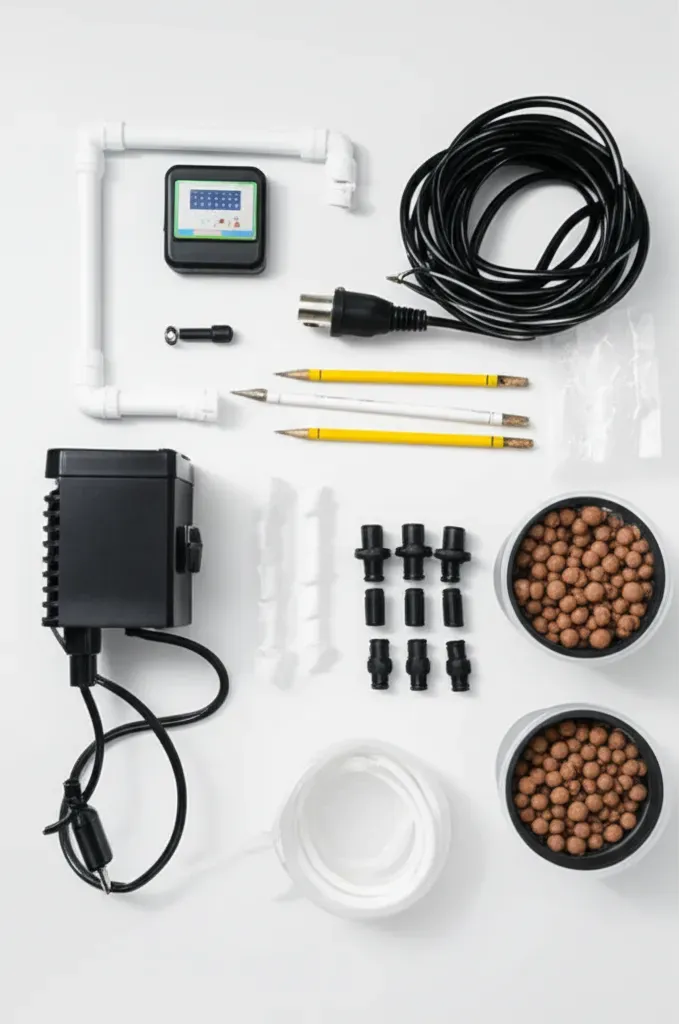
Core System Components and Their Functions
Your fish tank holds the aquatic livestock and serves as the primary water reservoir for the entire system. Most beginner setups use 50-100 gallon tanks, though you can start smaller with 20-gallon systems for learning purposes (according to North Carolina State Extension). (Source: North Carolina State Extension) The material matters less than durability, food-grade tanks made from polyethylene or fiberglass outlast modified stock tanks that weren't designed for constant water contact.
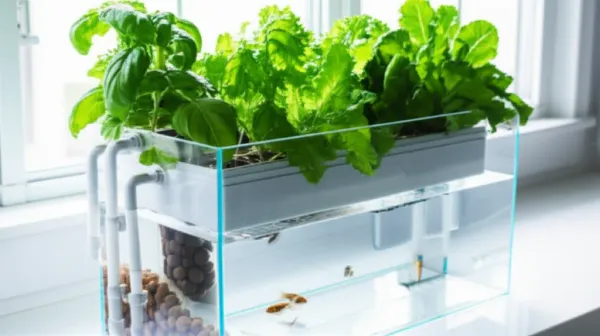
The grow bed sits above your fish tank and contains both your plants and the grow media where beneficial bacteria colonize. This biofilter component does the heavy lifting in your nitrogen cycle, hosting Nitrosomonas bacteria that convert toxic ammonia to nitrite, then Nitrobacter bacteria that convert nitrite to nitrate (USDA). (Source: USDA) A good sizing rule: your grow bed volume should equal or slightly exceed your fish tank volume to provide adequate filtration capacity.
Water pumps circulate nutrient-rich water from the fish tank up to the grow beds. Size your pump to move the entire system volume at least once per hour, a 100-gallon system needs a pump rated for 100+ gallons per hour. (Source: The Aquaponics Association) Submersible pumps work for most home systems and typically consume 20-50 watts depending on flow rate and lift height.
Air pumps and airstones oxygenate the water for both fish respiration and beneficial bacteria activity. Fish suffocate in low-oxygen water, and the nitrifying bacteria that make your system work are aerobic organisms requiring dissolved oxygen to function. Well, you'll need separate airstones for the fish tank and ideally the grow bed if you're running a flood-and-drain system.
Plumbing connects everything through PVC pipes, vinyl tubing, or flexible hose depending on your system design. You'll need valves to control flow rates, bulkhead fittings to penetrate tank walls without leaks, and either a bell siphon or timer-controlled valve to automate the flood-and-drain cycle in media-based systems.
Grow Media and Testing Equipment You Can't Skip
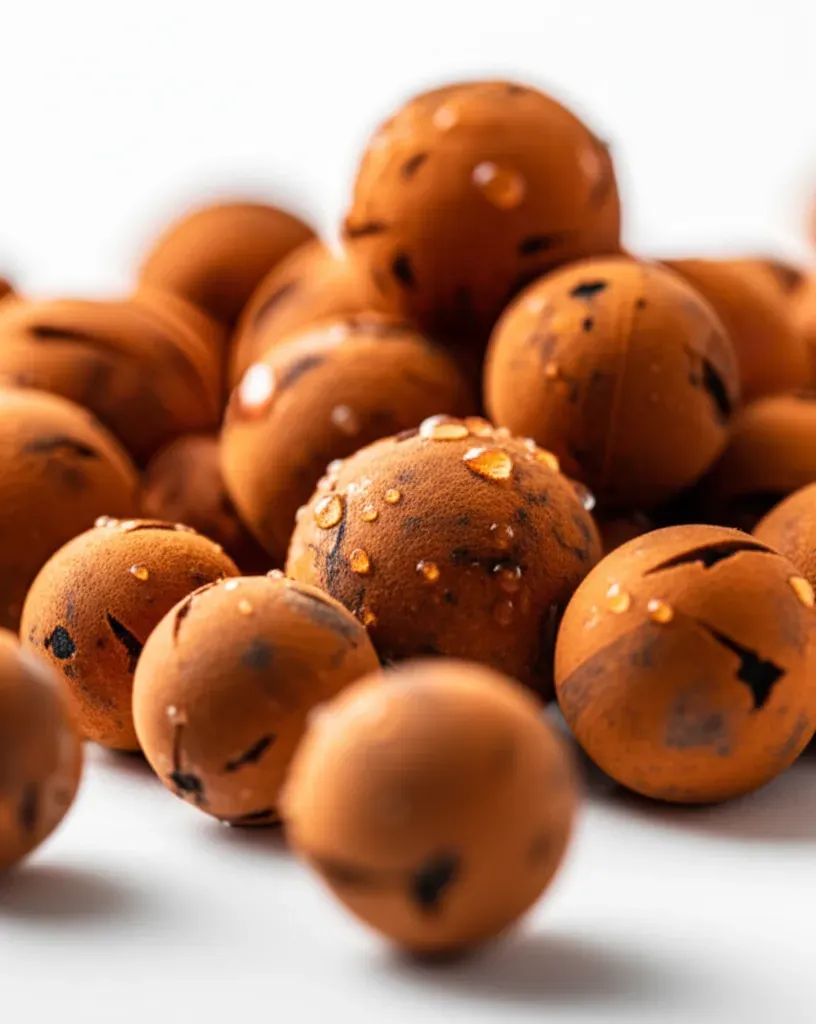
Grow media serves three critical functions: supporting plant roots, providing surface area for bacterial colonization, and filtering solid waste from the water. Expanded clay pebbles (often called hydroton or LECA) remain the gold standard because they're pH-neutral, lightweight, and provide excellent surface area for biofilm development (Auburn University). (Source: Auburn University) Lava rock costs less but weighs more and can affect pH initially, while pea gravel works but offers less bacterial surface area per volume.
You need 10-12 inches of media depth in your grow beds for adequate root support and bacterial colonization. A 4x4 foot grow bed requires roughly 10-12 cubic feet of media, expect to spend $40-80 for clay pebbles or $20-40 for lava rock at that volume.
Water testing kits aren't optional accessories, they're essential diagnostic tools for keeping your system balanced. You must monitor pH (target 6.8-7.2), ammonia (should be near zero after cycling), nitrite (toxic above 1 ppm), and nitrate (safe up to 150 ppm for most plants). (Source: University of Florida IFAS Extension) API Freshwater Master Test Kit provides all four tests and lasts 6-12 months for most home systems. Digital pH meters offer convenience but require calibration and storage solution to maintain accuracy.
Safety and Backup Systems Worth Considering
Power outages kill fish fast when pumps stop circulating oxygenated water. A battery backup system for your air pump (at minimum) keeps fish alive during short outages, you can find aquarium-specific battery backups for $30-60 that provide 6-12 hours of operation. If you travel frequently or live in areas with unstable power, this investment prevents total system loss.
Overflow prevention matters more than most beginners realize. A simple standpipe in your grow bed or sump prevents floods if your drain clogs or siphon fails.
Choosing the Right Kit Size and System Type for Your Space
Your available space, physical capabilities, and production goals should drive your system size decision more than enthusiasm or ambition. A system that's too large for your space becomes a maintenance burden, while one too small for your goals leads to disappointment and upgrade costs within months.
Essential Water Quality Parameters for Aquaponics Systems
| Parameter | Target Range | Consequences if Too High | Consequences if Too Low | Test Frequency |
|---|---|---|---|---|
| pH | 6.8-7.2 | Reduced nutrient availability; bacterial stress | Plant nutrient lockout; fish stress | 2-3 times weekly |
| Ammonia (NH₃) | Near 0 ppm | Fish toxicity; system failure | Insufficient nitrogen for plants | Daily during cycling; weekly after |
| Nitrite (NO₂⁻) | 0-1 ppm | Fish toxicity and gill damage | Incomplete nitrogen cycle | Daily during cycling; weekly after |
| Nitrate (NO₃⁻) | 0-150 ppm | Excessive algae growth (rarely toxic) | Plant nutrient deficiency | Weekly during operation |
Small-Scale Systems for Beginners and Limited Spaces
Countertop and small indoor systems (5-20 gallons) fit apartments, offices, or anyone testing aquaponics before committing to a larger build. These systems realistically produce fresh herbs and maybe one or two small fish like goldfish, don't expect to feed your family from a 10-gallon desktop unit. The advantage isn't production volume, it's accessibility and learning value.
You can maintain a small system in 15-20 minutes weekly once established. Weight rarely concerns at this scale (a 20-gallon system weighs roughly 200 pounds when full), but you still need a stable surface and access to electrical outlets for pumps. Indoor placement requires supplemental grow lights for anything beyond basic herbs, adding $30-100 to your setup depending on coverage area.
Medium Systems for Serious Home Gardeners
Systems in the 50-150 gallon range produce meaningful quantities of vegetables and occasional fish harvests for couples or small families. A 100-gallon system with proper stocking can support 15-20 pounds of fish at maturity and 10-15 square feet of growing space for leafy greens, herbs, and fruiting plants like tomatoes or peppers.
Weight becomes significant: a 100-gallon system weighs 900-1,200 pounds fully loaded with water, fish, media, and plants. Outdoor placement on ground level or reinforced decks works well, indoor setups require structural assessment. Second-floor apartments generally can't support this weight without reinforcement, consult your building specs or a structural engineer before installation.
Plan for 4x8 feet minimum footprint including walkway access for maintenance. Corner placements look space-efficient but create accessibility nightmares during routine maintenance.
Matching System Type to Your Physical Capabilities
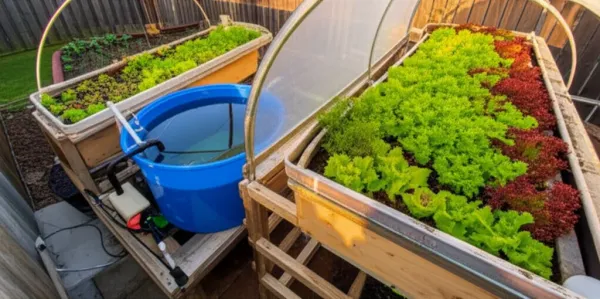
Raised grow beds at waist height (30-36 inches) eliminate bending and kneeling during planting and harvest. Honestly, this matters more than most people realize when you're working with your system 2-3 times weekly, back strain from poorly positioned beds ruins the enjoyment factor quickly. IBC tote systems naturally create this ergonomic height when the tote is cut horizontally for a top grow bed.
Budget Planning: What to Expect to Spend on Your DIY Kit
Honest budget planning includes the kit itself plus fish, seeds, testing supplies, electricity, and eventual replacement parts. First-time builders consistently underestimate total costs by 30-50% when they price only the initial components and forget ongoing operational expenses.
DIY Aquaponics Kit Budget Breakdown by System Size
| System Category | Price Range | Fish Tank Size | Grow Bed Size | Best For |
|---|---|---|---|---|
| Entry-Level Kit | $100-$300 | 20-30 gallons | 2x2 to 3x3 feet | Beginners learning the basics |
| Mid-Range System | $300-$1,000 | 50-100 gallons | 4x4 to 4x8 feet | Serious home gardeners with space |
| Advanced System | $1,000+ | 100+ gallons | 6x8+ feet | Commercial-scale or large-scale production |
Entry-Level Kit Budgets ($100-$300)
Basic starter kits in this range typically include a small fish tank (10-30 gallons), simple grow bed, basic pump, airline tubing, and minimal plumbing. You're getting functional components but not premium quality, expect pumps that last 1-2 years rather than 5+, and thinner-walled tanks that work fine indoors but may not weather outdoor UV exposure well.
Add $40-80 for grow media, $25-35 for a water testing kit, $20-40 for initial fish stock (goldfish or koi for cycling), and $15-25 for seeds or seedlings. Your true startup cost lands around $200-480 total. These systems work perfectly for learning and produce herbs or leafy greens reliably, they just won't feed a family or handle the production demands of serious food growing.
Look, the appeal of budget kits makes sense when you're not sure aquaponics will stick. Just understand you're trading durability and capacity for affordability, which is a perfectly rational choice for experimenting.
Mid-Range Systems ($300-$1,000)
This price tier buys you larger capacity (50-150 gallons), more durable pumps with longer warranties, better-quality tanks and plumbing fittings, and often more complete kits that include grow media and testing equipment. The jump from $300 to $600 typically represents better component quality rather than larger size, while $600-1,000 gets you both quality and increased production capacity.
Premium pumps in this range use magnetic drive technology that runs quieter and lasts longer than direct-drive budget models. These systems produce enough vegetables for regular family consumption and support food-grade fish like tilapia or trout (where legal). Expect 20-40 pounds of fish production annually and continuous harvests of leafy greens, with periodic fruiting crops depending on your climate and supplemental lighting.
Ongoing Costs Beyond the Initial Kit Purchase
Electricity for pumps running 24/7 adds $5-15 monthly depending on your pump wattage and local rates. A 50-watt water pump plus 10-watt air pump costs roughly $8/month at $0.12/kWh. Indoor systems with grow lights add $15-40 monthly depending on light type and photoperiod, LED fixtures cost less to operate than fluorescent or HID options.
Fish food runs $10-25 monthly depending on fish species and population. Water testing supplies need periodic replacement, budget $30-50 annually for test kit refills or reagents.
Replacement parts hit intermittently but inevitably: pumps fail after 2-5 years ($30-80 replacement cost), air stones clog and need replacement every 6-12 months ($5-15), and grow media occasionally requires topping off as pieces break down ($20-40). Setting aside $10-15 monthly for eventual replacements prevents surprise expenses from derailing your system when components fail.
Where to Buy Quality DIY Aquaponics Kits and Components
Purchasing decisions split between buying complete kits from specialized retailers versus piecing together components from multiple suppliers. Complete kits offer compatibility assurance and consolidated shipping, while component-by-component building allows customization and sometimes cost savings if you're willing to do the research and integration work.
Specialized Aquaponics Retailers and Their Advantages
Dedicated aquaponics suppliers like The Aquaponic Source, Backyard Aquaponics, and Nelson & Pade provide complete systems designed specifically for aquaponics applications. These retailers offer component compatibility guarantees, detailed setup instructions written for aquaponics (not adapted from hydroponics or aquaculture), and customer service staff who actually understand nitrogen cycling and system balancing.
You're paying a premium for this expertise and integration, typically 15-30% more than sourcing components separately. That premium buys you phone support when your siphon won't trigger properly, replacement parts that definitely fit your system, and educational resources beyond basic setup. For first-time builders, this support value often exceeds the cost difference.
Evaluate retailers on warranty terms (look for 1+ year on pumps and tanks), return policies for DOA components, and shipping costs for heavy items like tanks and media. Some suppliers offer free shipping over certain thresholds ($200-300 commonly), making it worthwhile to bundle your complete purchase rather than splitting orders.
General Hydroponics and Aquarium Suppliers
Hydroponics shops carry pumps, grow media, pH testing equipment, and sometimes suitable containers, though you'll need to verify components work for aquaponics specifically. Aquarium stores provide air pumps, test kits, fish food, and occasionally tanks, but their staff rarely understands aquaponics system requirements beyond basic fish-keeping.
This sourcing approach works well if you understand exactly what specifications you need. A hydroponics pump rated for continuous operation works fine in aquaponics, but a pump designed for intermittent use will fail quickly.
Pricing can beat specialized retailers by 20-40% on individual components, particularly for items like air pumps, tubing, and testing kits where aquaponics doesn't require specialized versions.
Hardware Stores and Online Marketplaces
Big-box hardware stores (Home Depot, Lowe's, Menards) provide plumbing fittings, PVC pipe, stock tanks that work as fish tanks, and sometimes suitable water pumps in their pond sections. You'll save significantly on plumbing components, a $15 bulkhead fitting from an aquaponics retailer costs $4-6 at a hardware store for the identical part.
Online marketplaces like Amazon and eBay offer everything from complete kits to individual components at varying quality levels. The challenge becomes vetting sellers and products without hands-on inspection.
Red flags include: sellers with no aquaponics-specific reviews, pumps without continuous-duty ratings or specifications, kits that don't list grow media volume or pump flow rates, and tanks without food-grade certification. To be fair, marketplace pricing beats specialized retailers by 30-50% on some components, but you're assuming all integration risk and troubleshooting yourself. This works better for experienced builders replacing individual components than first-timers assembling complete systems.
Evaluating Complete Kits vs. Component-by-Component Building
Complete kits make sense when you're building your first system, want guaranteed compatibility, or value time over cost savings. You'll spend more money but less time researching specifications and significantly less time troubleshooting why components don't work together properly.
Building from individual components saves 20-40% typically but requires understanding pump sizing, plumbing compatibility, and system ratios between fish tank and grow bed volumes. You'll also coordinate shipping from multiple suppliers and handle returns to different vendors if components fail.
A middle approach works well: buy the core system (tank, grow bed, plumbing) as a kit from a specialized retailer, then source consumables (grow media, test kits, fish food) and accessories (backup power, extra airstones) from cheaper general suppliers. This balances compatibility assurance on critical components with cost savings on standardized items.
Setting Up Your Kit: What to Prepare Before Components Arrive
Successful setup starts before boxes arrive at your door. You need a level surface that supports the full system weight, access to electricity with GFCI protection for safety around water, and a plan for initial water source and ongoing top-offs.
Level matters more than most beginners realize, even 1-2 degrees of tilt causes uneven water distribution in grow beds and can prevent siphons from triggering properly. Use a 4-foot level to check your placement area and shim as needed before adding water weight makes adjustment impossible.
Electrical requirements include dedicated outlets for water pump and air pump, both should run through GFCI outlets since they're operating in wet environments. Extension cords work temporarily but create trip hazards and voltage drop issues over distance, plan permanent outlet placement within 6 feet of your system location.
Water source access determines whether filling and top-offs become convenient routine tasks or dreaded chores. Systems near outdoor spigots or utility sinks simplify maintenance, while systems requiring bucket-carries from distant sources create friction that reduces your consistency. If using municipal tap water, you'll need to dechlorinate before adding to your system, either through 24-hour off-gassing or chemical dechlorinators.
Gather your testing equipment, fish food, and initial fish stock before starting your cycle. You can't effectively monitor cycling without test kits, and you'll want fish ready to add once ammonia and nitrite levels stabilize. Most systems cycle in 4-6 weeks, during which you'll test water parameters every 2-3 days and make adjustments to keep the process moving (Auburn University).
Here's the thing: preparation prevents the frustration of having components sitting unused while you solve basic infrastructure problems. Measure twice, set up once, then focus your attention on the biological cycling that makes your system functional.
Related Articles
- DIY Aquaponics Systems: Complete Build Guide for Beginners
- Complete Guide to Aquaponics Systems: How They Work & Getting Started
- Aquaponics System Components: Essential Parts Explained
- Aquaponics Systems for Beginners: Easy Start Guide
- Best Aquaponics Systems for Sale: 2024 Buyer's Guide
- Best Fish for Aquaponics Systems: Complete Species Guide
Frequently Asked Questions
What's the minimum tank size I need to start an aquaponics system?
You can start with a 20-gallon fish tank for learning purposes, though 50-100 gallon tanks are recommended for beginner setups that produce better results. The larger your tank, the more stable your system will be since it takes longer for water chemistry to fluctuate significantly.
How often do I need to replace the grow media in my aquaponics kit?
Expanded clay pebbles and other quality grow media can last for years if properly maintained and rinsed periodically. You typically only need to replace media if it becomes compacted, damaged, or if you're dealing with persistent disease issues in your system.
Can I build an aquaponics system entirely from hardware store materials?
Yes, you can source most components from hardware stores (tanks, PVC pipes, pumps, fittings), but specialized aquaponics retailers offer pre-tested kits and components optimized for the nitrogen cycle, which saves troubleshooting time for beginners.
What water testing equipment do I absolutely need?
At minimum, you need to test ammonia, nitrite, and nitrate levels to monitor your nitrogen cycle. A basic aquarium test kit (around $25-40) covers these essentials, though pH and dissolved oxygen testing are also valuable for maintaining system health.
How much electricity does a DIY aquaponics system use monthly?
A typical home system with a 20-50 watt water pump and air pump running continuously uses approximately 15-30 kWh per month, costing roughly $2-5 depending on local electricity rates.
What size water pump do I need for my aquaponics system?
Size your pump to circulate your entire system volume at least once per hour—a 100-gallon system needs a pump rated for 100+ gallons per hour (GPH). Account for lift height and plumbing resistance when selecting pump capacity.
Is it cheaper to buy a complete kit or build a system piece by piece?
Complete kits offer convenience and pre-tested component compatibility, making them better for beginners despite potentially higher per-component costs. Building piece-by-piece saves money but requires more research and carries higher risk of incompatible parts or system failure.
How long does it take for an aquaponics system to become fully functional?
Most systems require 4-6 weeks to establish the beneficial bacteria colonies (nitrogen cycle) needed for stable operation. During this cycling period, you'll monitor water chemistry closely and shouldn't add a full fish load until ammonia and nitrite levels stabilize.