Small Greenhouse Tilapia Aquaponics: Complete Starter System
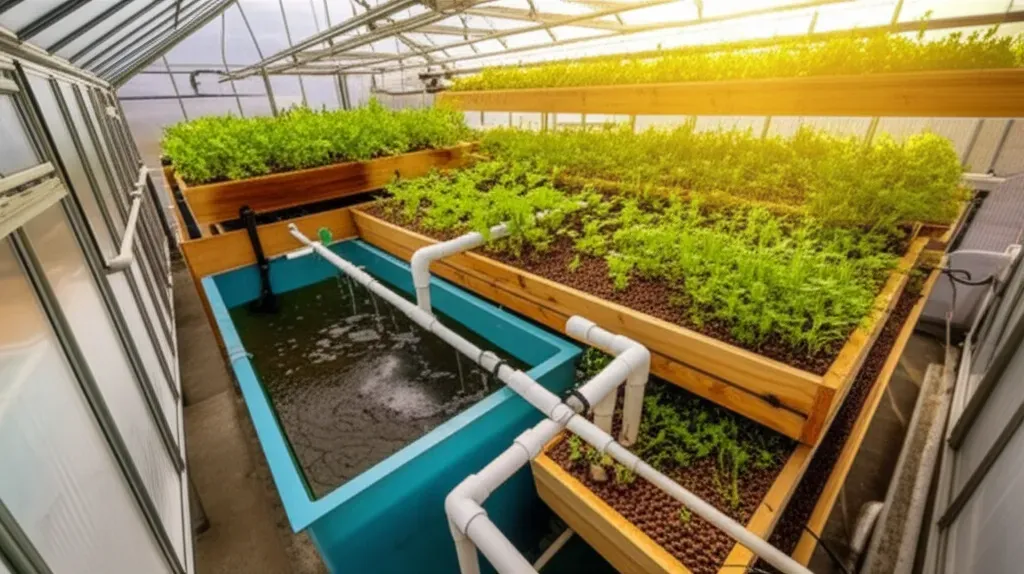
A small greenhouse tilapia aquaponics system combines a 100-200 gallon fish tank with elevated grow beds to produce both protein and vegetables year-round using the nitrogen cycle. Your greenhouse maintains the 75-86°F water temperature tilapia need while beneficial bacteria convert fish waste into plant nutrients, creating a self-sustaining ecosystem that delivers fresh food with minimal space and water.
Table of Contents
- Understanding Your Complete Tilapia Aquaponics Starter System
- The Five Essential Components You Need
- Why Tilapia and Greenhouse Make the Perfect Match
- What You Can Realistically Grow and Harvest
- Complete Cost Breakdown and System Options
- Complete Starter Kits: What's Included and What's Not
- DIY Build Cost Comparison
- Ongoing Monthly Operating Costs
- Step-by-Step Setup in Your Greenhouse
- Greenhouse Location and Setup Preparation
- Cycling Your System: The Critical 4-6 Week Process
- Adding Your First Tilapia and Plants
- Daily and Weekly Maintenance Routines
- Your Simple Daily Checklist
- Weekly Water Testing and Adjustments
- Troubleshooting and Long-Term Success Strategies
- Solving Common Water Quality Issues
- Recognizing and Treating Fish Health Problems
- Optimizing Production as You Gain Experience
This complete guide walks you through every component you'll need, realistic cost breakdowns comparing kits to DIY builds, and the actual time commitment required for daily care. You'll understand exactly what to expect from setup through your first harvest.
Understanding Your Complete Tilapia Aquaponics Starter System
A complete starter system means you have every component necessary to maintain the biological cycle that keeps both fish and plants thriving. Here's the thing: fish produce ammonia-rich waste through respiration and excretion, beneficial bacteria convert that ammonia first into nitrite then nitrate, and plants absorb those nitrates as fertilizer while cleaning the water that returns to your fish tank (according to Alabama Cooperative Extension System).
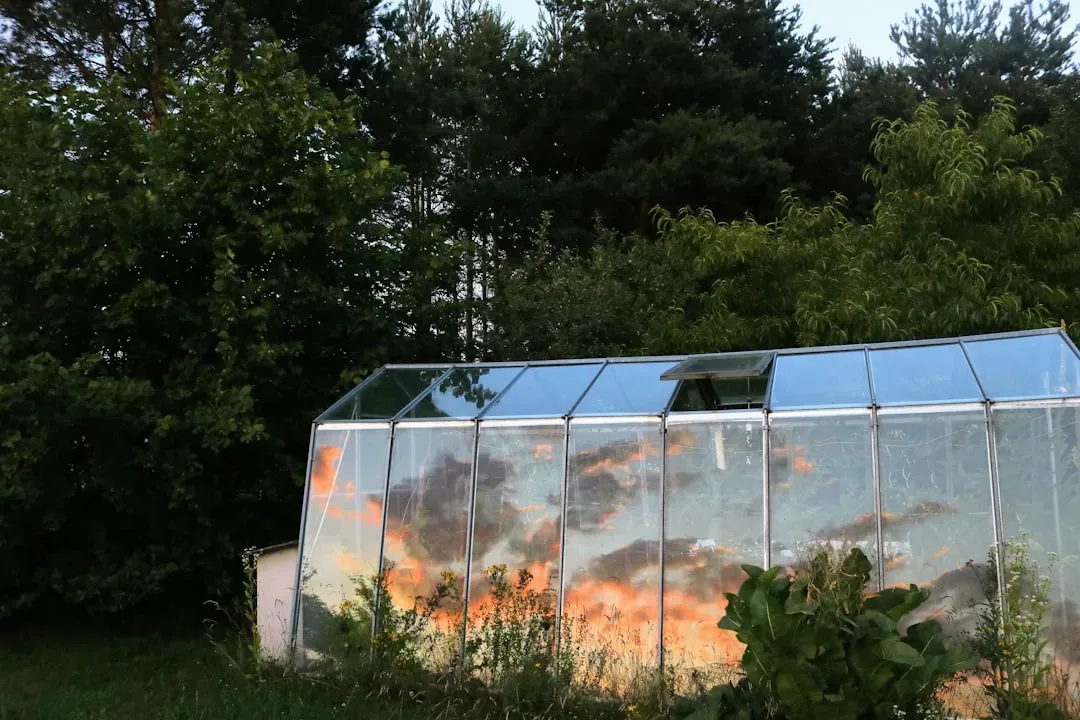
Your greenhouse serves as the climate control envelope that makes tilapia cultivation possible in most regions. Without it, water temperatures would fluctuate beyond the range tilapia tolerate, especially during winter months or cool nights.
The Five Essential Components You Need
Your fish tank holds 100-200 gallons for a true small-scale system, providing home for 15-25 tilapia depending on your chosen stocking density. IBC totes work well here, they're food-grade, durable, and typically cost $50-150 used.
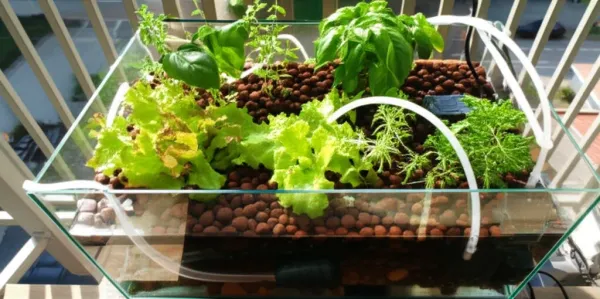
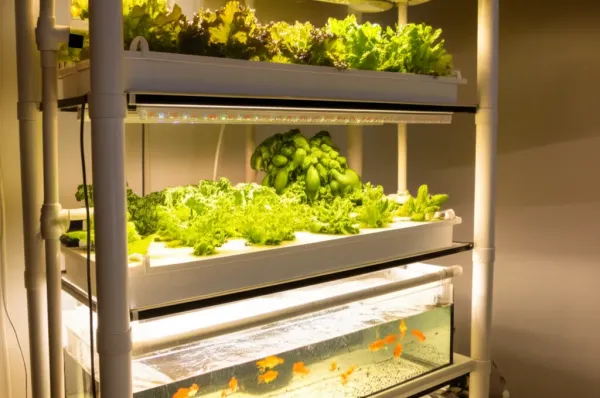
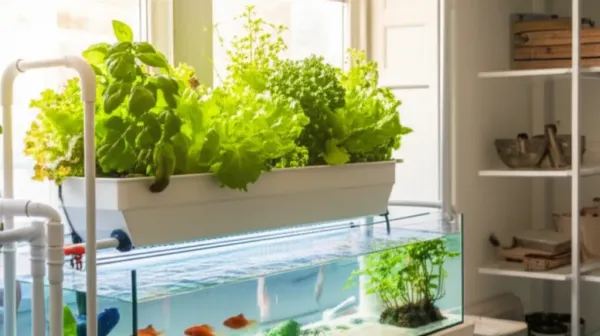
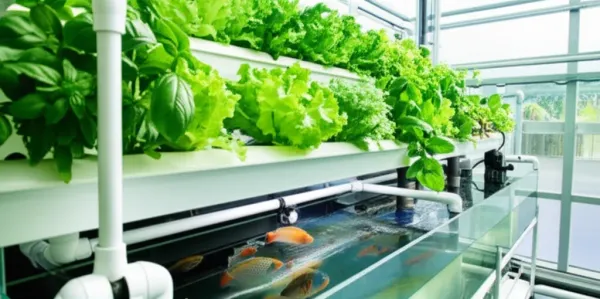
Grow beds sit above your fish tank and contain expanded clay pebbles or similar media that supports plant roots while hosting the beneficial bacteria colonies doing the actual conversion work. Plan for a grow bed volume equal to roughly half your fish tank capacity. A 100-gallon fish tank pairs with 50 gallons of grow bed space, which translates to about 8-10 square feet of growing area.
Your water pump circulates water from the fish tank up to the grow beds, where gravity returns it through the media and back to the fish. A 400-800 gallon-per-hour pump handles most small systems, you want complete water circulation every 1-2 hours.
Plumbing connects everything using PVC pipe, typically 3/4-inch to 1-inch diameter. You'll need a bell siphon or timer-controlled valve to create the flood-and-drain cycle that prevents root rot while maximizing bacterial contact with fish waste.
Beneficial bacteria (specifically Nitrosomonas and Nitrobacter species) colonize your grow bed media naturally, but adding a commercial bacteria starter during system cycling speeds establishment from 8 weeks down to 4-6 weeks.
Why Tilapia and Greenhouse Make the Perfect Match
Tilapia thrive in water temperatures between 75-86°F, with growth rates slowing significantly below 70°F and fish becoming stressed above 90°F (according to University of Hawaii College of Tropical Agriculture). Your greenhouse maintains this range through passive solar heating during cool months and ventilation during summer, eliminating the need for expensive water heaters in many climates.
These fish tolerate water quality fluctuations that would stress trout or bass. Well, they handle the ammonia spikes and pH swings common in new systems while you're learning to read your water parameters. They also accept a wide range of dissolved oxygen levels, though you'll still want to maintain 5+ mg/L for optimal growth.
Tilapia reach harvest size (1-1.5 pounds) in 6-9 months when fed properly and kept in ideal temperatures. That rapid growth means you'll see results from your system much faster than with slower-growing species.
Check your state regulations before purchasing tilapia, some states restrict or prohibit ownership due to concerns about invasive populations if fish escape into local waterways. Blue tilapia and Nile tilapia are the most commonly available varieties, with Nile tilapia generally growing faster but requiring slightly warmer water.
What You Can Realistically Grow and Harvest
A 100-150 gallon system with 20 tilapia produces approximately 40-60 pounds of fish per year, assuming you maintain proper feeding schedules and water quality. Your grow beds yield a continuous harvest of leafy greens and herbs, with 8-10 square feet supporting roughly 15-25 heads of lettuce or equivalent biomass in basil, cilantro, or other herbs.
Lettuce, kale, chard, and Asian greens perform exceptionally well because they thrive in the nutrient-rich water and don't require the higher potassium levels that fruiting plants demand. Herbs like basil, mint, and cilantro grow aggressively in aquaponic systems.
Tomatoes, peppers, and cucumbers will grow but often need supplemental potassium and iron to produce heavy fruit yields. Many growers discover that focusing on leafy greens and herbs in their first year builds confidence before tackling fruiting crops.
Your timeline from setup to first harvest spans about 8-10 weeks: 4-6 weeks for system cycling, then another 4-6 weeks for fast-growing greens like lettuce to reach harvest size. Fish take 6-9 months to reach eating size from fingerlings.
Complete Cost Breakdown and System Options
Understanding the true financial commitment helps you decide between purchasing a complete kit or building from components. Both approaches work, but your choice depends on available time, DIY comfort level, and budget flexibility.
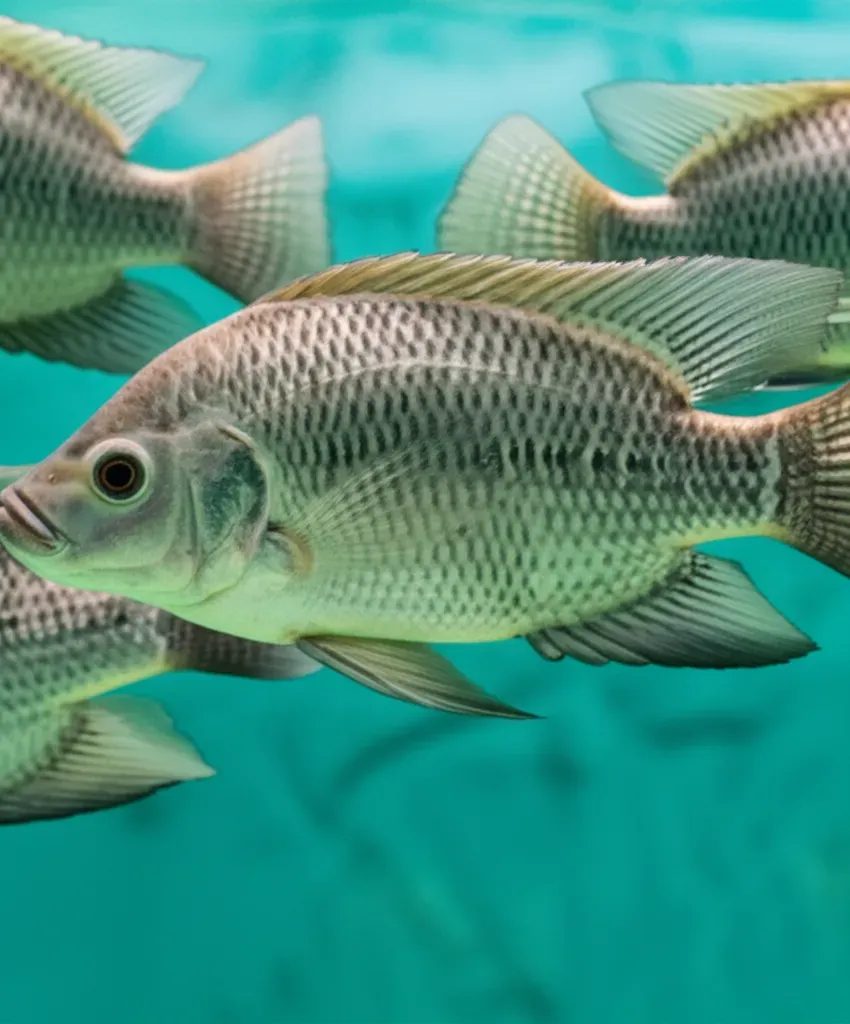
Tilapia Species Comparison for Greenhouse Aquaponics
| Characteristic | Nile Tilapia | Blue Tilapia |
|---|---|---|
| Temperature Preference | Slightly warmer (75-86°F optimal) | 75-86°F range |
| Growth Rate | Generally faster | Moderate |
| Water Quality Tolerance | High tolerance for fluctuations | High tolerance for fluctuations |
| Harvest Size | 1-1.5 lbs in 6-9 months | 1-1.5 lbs in 6-9 months |
| Availability | Commonly available | Commonly available |
Complete Starter Kits: What's Included and What's Not
Complete aquaponics kits designed for greenhouse installation typically range from $800-2,000 for small-scale systems. The AquaSprouts Garden ($150-180) and Back to the Roots Water Garden ($60-80) serve as introductory desktop systems but lack the capacity for meaningful food production.
Mid-range kits like the ECO-Cycle Aquaponics Kit ($600-800) include the fish tank, grow bed, pump, plumbing, and basic instructions. You'll still need to source your own grow media ($50-100), testing kit ($30-50), and fish stock ($25-75).
Higher-end systems from Backyard Aquaponics or The Aquaponic Source ($1,500-2,500) often include grow media, comprehensive manuals, and customer support but still require you to purchase fish, seeds, and testing supplies separately. These kits typically feature better-quality pumps and more durable components that justify the premium if you're committed long-term.
DIY Build Cost Comparison
Building from scratch gives you complete control over sizing and component quality. A 100-150 gallon IBC tote costs $50-150 depending on your local market, with food-grade totes commanding premium prices over industrial-grade options.
Your grow bed runs $100-300 if purchasing new stock tanks or commercial grow beds, though many builders repurpose bathtubs, wooden boxes lined with pond liner, or cut the top third off an IBC tote to create a matched tank-and-bed system for under $200 total.
Pump and plumbing components cost $100-150 for a quality submersible pump, PVC fittings, tubing, and valve assemblies. Don't cheap out on your pump, it's the heart of your system, and a $40 pump that fails after six months costs more in lost fish and plants than a $100 pump running reliably for years.
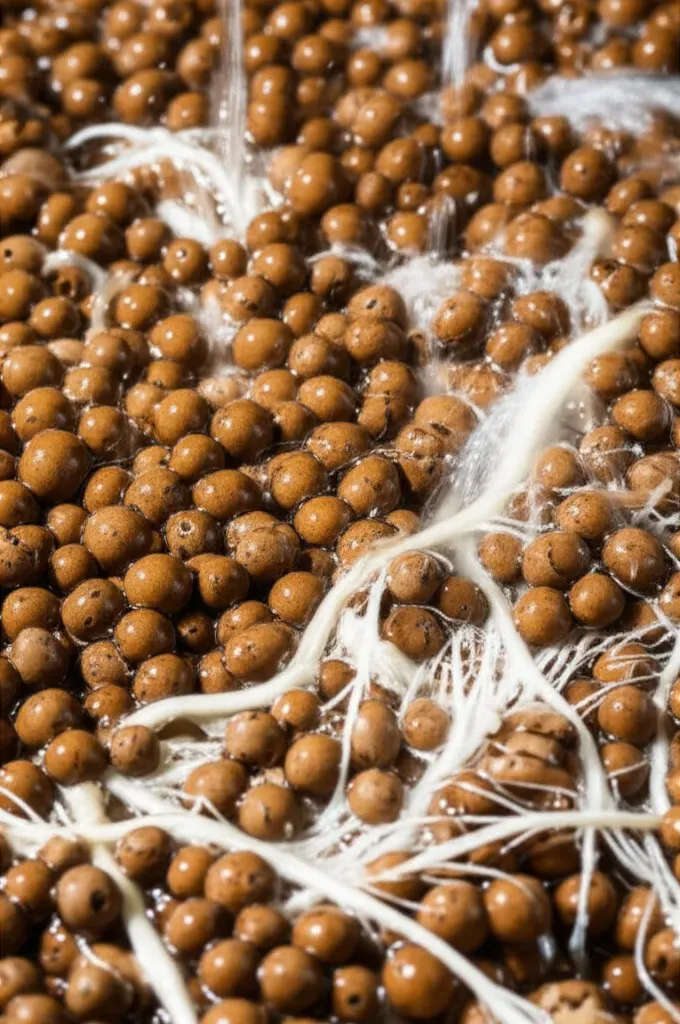
Grow media adds $50-150 depending on volume and type. Expanded clay pebbles (Hydroton) cost more upfront but last indefinitely, while gravel costs less initially but can create pH issues if it contains limestone. Initial fish stock runs $25-75 for 15-20 tilapia fingerlings from a reputable hatchery, seeds and seedlings add another $20-40 for your first planting.
Total DIY cost: $400-900 for a functional system, compared to $800-2,000 for equivalent kits. You're trading your time and research effort for cost savings.
Ongoing Monthly Operating Costs
Electricity for your pump runs 24/7, consuming roughly 50-100 watts for small systems. At $0.12 per kWh, expect $4-9 monthly. Add a water heater in cold climates and that jumps to $20-40 monthly during winter months, though a well-insulated greenhouse minimizes this expense.
Fish food costs $15-30 monthly depending on your fish population and chosen feed quality. High-protein commercial tilapia feed (32-36% protein) produces better growth rates than cheap goldfish food. Water testing supplies run $5-10 monthly if you're testing weekly, with annual replacement of test kits adding another $30-50.
Budget $30-60 monthly for ongoing operations, plus an annual maintenance fund of $100-200 for pump replacements, plumbing repairs, and unexpected issues.
Step-by-Step Setup in Your Greenhouse
Proper installation determines whether your system runs smoothly for years or becomes a frustrating maintenance burden. Take time during setup to optimize positioning and ensure accessibility.
Greenhouse Location and Setup Preparation
Position your fish tank on the greenhouse's north side if possible, keeping it out of direct afternoon sun that could overheat water during summer. Your grow beds need 6-8 hours of direct sunlight daily, so place them in the south-facing area with best light exposure.
Weight matters more than most beginners realize. A 150-gallon system with fish, water, and media weighs 1,500+ pounds. Ensure your greenhouse floor can handle this load, concrete slabs work perfectly, while wooden floors may need reinforcement. Distribute weight across multiple support points rather than concentrating it in one spot.
Leave at least 2-3 feet of working space on all sides of your tanks for maintenance access. Locate your system within 20 feet of both a water source and GFCI-protected electrical outlet.
Cycling Your System: The Critical 4-6 Week Process
Cycling establishes the beneficial bacteria colonies that convert toxic ammonia into plant-usable nitrate. Skip this step or rush it, and you'll kill your first batch of fish. The process takes 4-6 weeks regardless of how much you want to speed it up (according to Penn State Extension).
Start by filling your system with dechlorinated water, let tap water sit 24 hours or add dechlorinator. Add your bacteria starter according to package directions, then introduce an ammonia source. Fish food works well: add a small handful daily and let it decompose, or use pure ammonia from the hardware store (dose to 2-4 ppm ammonia concentration).
Week 1-2: Test daily for ammonia, which should rise to 2-4 ppm then begin dropping as Nitrosomonas bacteria colonize your media. Week 2-3: Ammonia drops toward zero while nitrite spikes to 2-5 ppm as Nitrobacter bacteria populations grow. Week 3-5: Nitrite drops while nitrate climbs to 20-40 ppm. Week 5-6: Both ammonia and nitrite read zero, nitrate is present, your system is cycled.
Maintain pH between 6.8-7.2 during cycling. Temperature affects cycling speed dramatically. Keep water at 75-80°F and bacteria colonize quickly; let it drop to 60°F and cycling can take 8-10 weeks.
Adding Your First Tilapia and Plants
Start with 10-15 fingerlings (2-4 inch fish) in a 100-150 gallon system. This conservative stocking density gives you room for error while you learn to manage feeding and water quality.
Acclimate new fish slowly: float the shipping bag in your tank for 15-20 minutes to equalize temperature, then gradually add tank water to the bag over another 15-20 minutes before releasing fish. Sudden temperature or pH changes kill fish even when your water parameters are perfect.
Feed sparingly for the first week, just 1% of estimated body weight once daily. Fish are stressed from shipping and won't eat aggressively. Increase to 1-2% body weight split into 2-3 daily feedings after they settle in (according to University of Hawaii College of Tropical Agriculture).
Transplant seedlings into your grow beds immediately after adding fish. Start with just 8-10 plants and add more as your fish grow and waste production increases.
Suitable Crops for Small Greenhouse Aquaponics Systems
| Crop Type | Suitability | Yield per 8-10 sq ft | Key Advantages |
|---|---|---|---|
| Lettuce | Excellent | 15-25 heads | Thrives in nutrient-rich water, fast growth |
| Kale | Excellent | 8-12 plants | High nutrient uptake, continuous harvest |
| Chard | Excellent | 10-15 plants | Tolerates aquaponics conditions well |
| Asian Greens | Excellent | 15-25 plants | Thrive in nutrient-rich environment |
| Basil | Excellent | 20-30 plants | Herb production, high market value |
| Cilantro | Excellent | 25-35 plants | Herb production, continuous harvest |
| Fruiting Plants (tomatoes, peppers) | Fair to Poor | Limited | Require higher potassium levels not naturally provided |
Daily and Weekly Maintenance Routines
Successful aquaponics requires consistent attention but not hours of daily labor. Your actual time commitment runs 5-10 minutes daily and 30-45 minutes weekly once the system stabilizes.
Your Simple Daily Checklist
Feed fish once in the morning and once in the evening, offering only what they'll consume in 5 minutes. Uneaten food decomposes into ammonia, and excess ammonia overwhelms your bacterial capacity. This takes 3-4 minutes total.
Observe fish behavior during feeding. Healthy tilapia swarm to the surface aggressively. Lethargic fish hovering at the bottom or gasping at the surface signal water quality problems or disease.
Check water flow visually, is your pump running, are grow beds filling and draining properly, do you see any leaks? This 30-second scan catches most mechanical failures before they become disasters. Glance at your thermometer to verify water temperature stays in the 75-86°F range.
Automatic feeders reduce daily feeding to a monitoring task rather than a hands-on requirement. Quality units cost $30-80 and work reliably for weeks between refills, making weekend trips or vacations manageable.
Weekly Water Testing and Adjustments
Test pH, ammonia, nitrite, and nitrate every 7 days once your system stabilizes. This takes 15-20 minutes with a liquid test kit (more accurate than strips). Record results in a notebook to spot trends before they become problems.
Target ranges: pH 6.8-7.2, ammonia 0 ppm, nitrite 0 ppm, nitrate 20-40 ppm. Ammonia or nitrite above zero indicates your biofilter is overwhelmed, reduce feeding immediately and test daily until readings return to zero.
pH tends to drift downward over time as nitrification produces acidic byproducts. When pH drops below 6.5, add calcium carbonate or potassium carbonate to raise it gradually. Never adjust pH more than 0.2 points per day, as rapid swings stress fish.
Top off evaporated water weekly, adding 5-10 gallons to most small systems. Harvest mature plants and replant empty spaces to maintain continuous production.
Troubleshooting and Long-Term Success Strategies
Every aquaponics system encounters challenges. Knowing how to diagnose and correct common problems separates successful growers from those who give up after their first setback.
Solving Common Water Quality Issues
Cloudy white water indicates a bacterial bloom, usually triggered by overfeeding or adding too many fish too quickly. Stop feeding for 24-48 hours and increase aeration. The cloudiness clears within a week as bacterial populations stabilize.
Green water means algae growth from excess nutrients and light. Reduce photoperiod if using supplemental lighting, shade your fish tank from direct sun, and ensure your plants are consuming available nutrients.
Persistent ammonia readings above zero despite mature biofilter suggest you're feeding too much for your current bacterial capacity. Cut feeding by 30-40% for one week while testing daily. Ammonia should drop to zero within 3-4 days.
Low nitrate levels (below 10 ppm) indicate insufficient fish waste for your plant load. Either add more fish gradually or reduce plant density.
Recognizing and Treating Fish Health Problems
White spots on fish indicate ich, a common parasite in stressed fish. Raise water temperature to 82-84°F for 5-7 days, which accelerates the parasite's life cycle and allows fish immune systems to overcome infection.
Torn fins or missing scales suggest aggression or overcrowding. Tilapia establish dominance hierarchies, and subordinate fish sometimes get beaten up. Add hiding spots using PVC pipe sections or reduce stocking density if injuries are frequent.
Refusing food for 2+ days warrants investigation. Check water temperature first (below 70°F slows metabolism dramatically), then test all parameters.
Optimizing Production as You Gain Experience
Track your harvest weights and feeding costs to calculate actual food production economics. Most small systems produce $400-800 worth of fish and vegetables annually while consuming $200-400 in feed and electricity, a modest return that improves significantly as you optimize stocking densities and plant selection.
Experiment with higher-value crops once you've mastered basics. Basil, mint, and specialty lettuce varieties command premium prices at farmers markets if you're considering commercial sales, though most small greenhouse systems serve household consumption rather than income generation.
Gradually increase fish stocking toward 20-25 tilapia in a 150-gallon system as you gain confidence in your water quality management. Join online aquaponics communities to learn from others' experiences and get troubleshooting help when you encounter unfamiliar problems.
Plan for system expansion after your first successful year. Many growers start with a single 150-gallon system, then add a second system or upgrade to 300-500 gallons once they've proven the concept and refined their routines.
I still remember the decision point after my first harvest—twelve months of steady lettuce and basil production from my starter system, and suddenly that 10×12 greenhouse felt too small. I added a second 150-gallon tank on the opposite wall, mirroring my proven setup rather than reinventing anything, and that doubling of capacity taught me more about system management than the entire first year. The confidence of knowing exactly how one system behaves makes scaling feel less like a leap and more like a deliberate step forward. "The biggest mistake new aquaponics growers make is trying to scale up too quickly before they understand their system's biological rhythms," says Dr. Wilson Lennard, aquaponics researcher and Director of Aquaponic Solutions. "Master one system completely—understand how it responds to feeding changes, seasonal temperature shifts, and plant nutrient demands—before you replicate or expand."
Start small, monitor consistently, and adjust gradually. Your first harvest of crisp lettuce grown in water that also raised your dinner represents more than food, it's proof that you've created a functioning ecosystem. That success builds confidence for the next challenge, whether it's adding fruiting crops, increasing fish density, or simply enjoying the daily rhythm of feeding fish and picking greens from your greenhouse sanctuary.
Related Articles
- Complete Guide to Aquaponics Systems: How They Work & Getting Started
- Best Fish for Aquaponics Systems: Complete Species Guide
- Growing Vegetables in Aquaponics: What Works Best & How
- DIY Aquaponics Systems: Complete Build Guide for Beginners
- Indoor Aquaponics Systems: Complete Setup & Maintenance Guide
- Aquaponics System Parts & Components: Complete Checklist
Frequently Asked Questions
How many tilapia can I stock in a 100-gallon fish tank?
You can stock 15-25 tilapia in a 100-gallon tank, depending on your chosen stocking density. Higher densities require more frequent water quality monitoring and maintenance, while lower densities provide more buffer against water quality fluctuations.
What's the difference between buying a complete starter kit versus building a DIY system?
Complete kits provide pre-assembled components and convenience but may include unnecessary items or cost more upfront. DIY builds allow you to source quality components individually and often cost less, but require more research and assembly time.
How long does it take before I can harvest vegetables from my system?
After the critical 4-6 week cycling period, you can add plants, but most vegetables take 6-12 weeks to reach harvest size depending on the crop. Leafy greens like lettuce mature faster (4-6 weeks after planting) than fruiting plants like tomatoes.
Can I run this system without a greenhouse in cold climates?
A greenhouse is essential in cold climates because tilapia require 75-86°F water temperatures and become stressed or stop growing below 70°F. Without a greenhouse, you'd need expensive water heaters to maintain proper temperatures year-round.
What size water pump do I need for my aquaponics system?
Use a 400-800 gallon-per-hour pump sized to circulate all water through your grow beds every 1-2 hours. For a 100-gallon system, aim for a 100-200 GPH pump minimum to ensure adequate water flow and nutrient delivery.
How often do I need to test my water and what am I testing for?
Test water weekly for ammonia, nitrite, nitrate, and pH levels during the cycling phase and monthly once established. You're monitoring the nitrogen cycle to ensure beneficial bacteria are converting waste properly and plants are receiving adequate nutrients.
When can tilapia be harvested and how much protein will I get?
Tilapia reach harvest size (1-1.5 pounds) in 6-9 months when kept at proper temperatures and fed well. A system with 15-25 fish can provide 15-40 pounds of fresh protein annually, depending on stocking density and growing conditions.
Do I need to add commercial bacteria to speed up system cycling?
Adding commercial bacteria starter (Nitrosomonas and Nitrobacter species) reduces cycling time from 8 weeks to 4-6 weeks, getting you to harvest faster. However, beneficial bacteria will colonize naturally over time, so it's optional but recommended for beginners.