Aquaponics Garden Systems: Growing Food at Home Year-Round
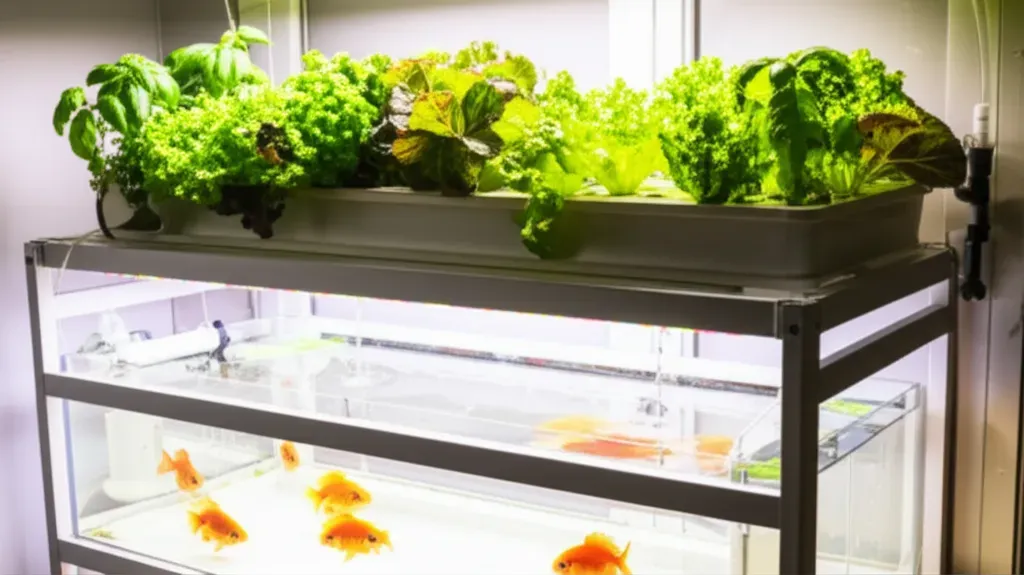
Aquaponics garden systems combine fish farming with plant cultivation in a closed-loop ecosystem that produces fresh vegetables and protein year-round with 90% less water than traditional gardening (USDA). You feed the fish, bacteria convert their waste into plant nutrients, and the plants clean the water, creating a self-sustaining cycle that requires minimal space and eliminates soil, weeding, and synthetic fertilizers. Whether you're working with a spare bedroom or a backyard greenhouse, these systems deliver consistent harvests while reducing the physical demands that make conventional gardening challenging for many growers.
Table of Contents
- What Is Aquaponics and Why It Works for Home Food Production
- The Natural Cycle: How Fish Feed Your Plants
- Key Advantages Over Traditional Gardening
- Choosing the Right Aquaponics System for Your Space and Goals
- Small-Scale Systems: Getting Started Without Major Investment
- Mid-Size Systems: Feeding Your Household Year-Round
- Ready-Made Kits vs. DIY: What's Right for Your Skill Level
- Setting Up Your First System: What You Actually Need to Know
- Preparing Your Space and Installing the System
- Cycling Your System: The Critical First Month
- Choosing Your First Fish and Plants
- Daily, Weekly, and Monthly Care: The Real Time Commitment
- Year-Round Growing Success: Climate Control and Seasonal Considerations
What Is Aquaponics and Why It Works for Home Food Production
An aquaponics system contains three essential components working together: a fish tank where you raise edible or ornamental fish, a grow bed where plants thrive without soil, and colonies of beneficial bacteria living on surfaces throughout the system. The fish produce ammonia through their waste, bacteria convert that ammonia into nitrates, and plants absorb those nitrates as their primary food source while filtering the water clean for the fish.
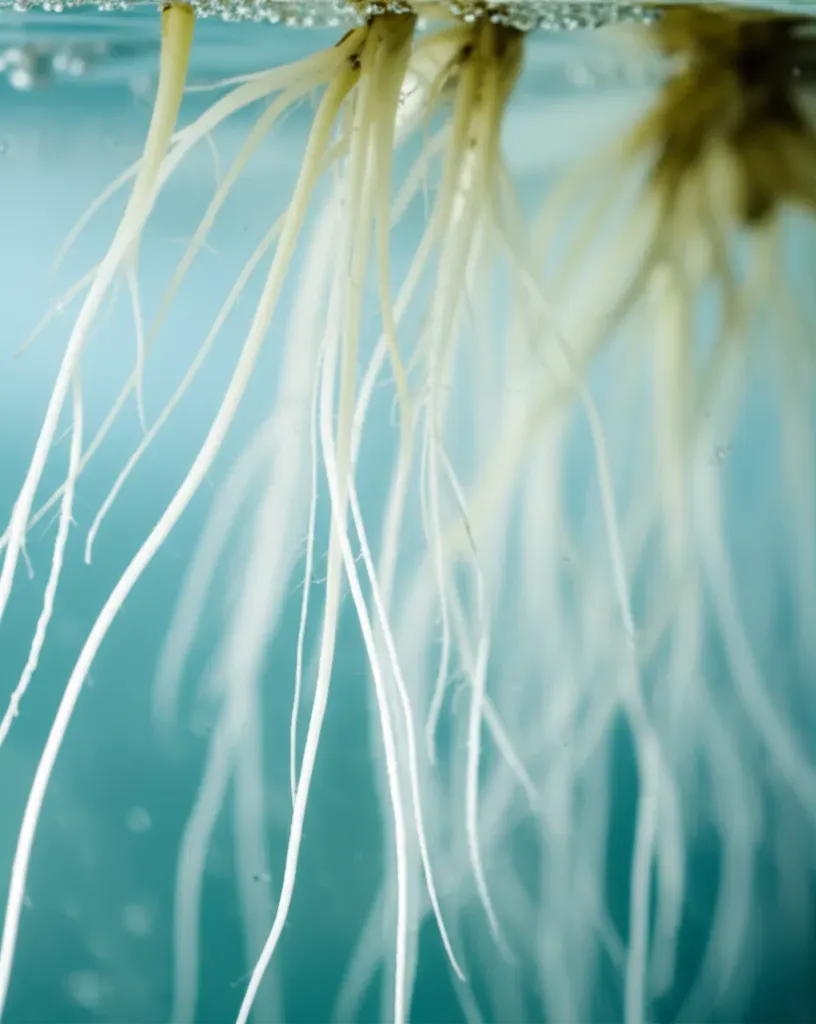
This closed-loop design means you're not just growing plants or raising fish, you're managing a miniature ecosystem where each element supports the others (USDA). The bacteria do the heavy lifting of nutrient conversion, the plants act as your biological filter, and the fish provide all the fertilizer your crops need without you ever opening a bag of commercial plant food.
The Natural Cycle: How Fish Feed Your Plants
Fish release ammonia through their gills and waste, which would quickly become toxic in a closed system. Beneficial bacteria called Nitrosomonas colonize every wet surface in your setup, converting that ammonia into nitrites. A second bacterial species, Nitrobacter, then converts nitrites into nitrates, the form of nitrogen that plants readily absorb through their roots.
As your plants pull nitrates from the water for growth, they remove the compounds that would otherwise accumulate and harm your fish. The cleaned water flows back to the fish tank, and the cycle continues. You maintain this balance by feeding your fish daily, and that single input drives the entire nutrient chain that keeps both fish and plants thriving.
Key Advantages Over Traditional Gardening
Aquaponics eliminates the bending, kneeling, and heavy lifting that makes soil gardening difficult for people with back or knee issues. You can build grow beds at waist height, and there's no soil to haul or weeds to pull on your hands and knees.
The water efficiency stands out immediately, these systems use about one-tenth the water of soil-based agriculture because you're only replacing what evaporates and what plants transpire (USDA). There's no runoff, no watering schedule to maintain, and no concern about drought conditions affecting your harvest. Plants grow faster than in soil because they receive constant access to nutrients and oxygen at their roots.
You'll never buy another bag of fertilizer, well, because fish waste provides everything your plants need. The system produces two crops simultaneously, vegetables and protein, from the same water and square footage. Indoor setups mean you're harvesting fresh lettuce in January and tomatoes in December, completely independent of your local climate or growing season.
Choosing the Right Aquaponics System for Your Space and Goals
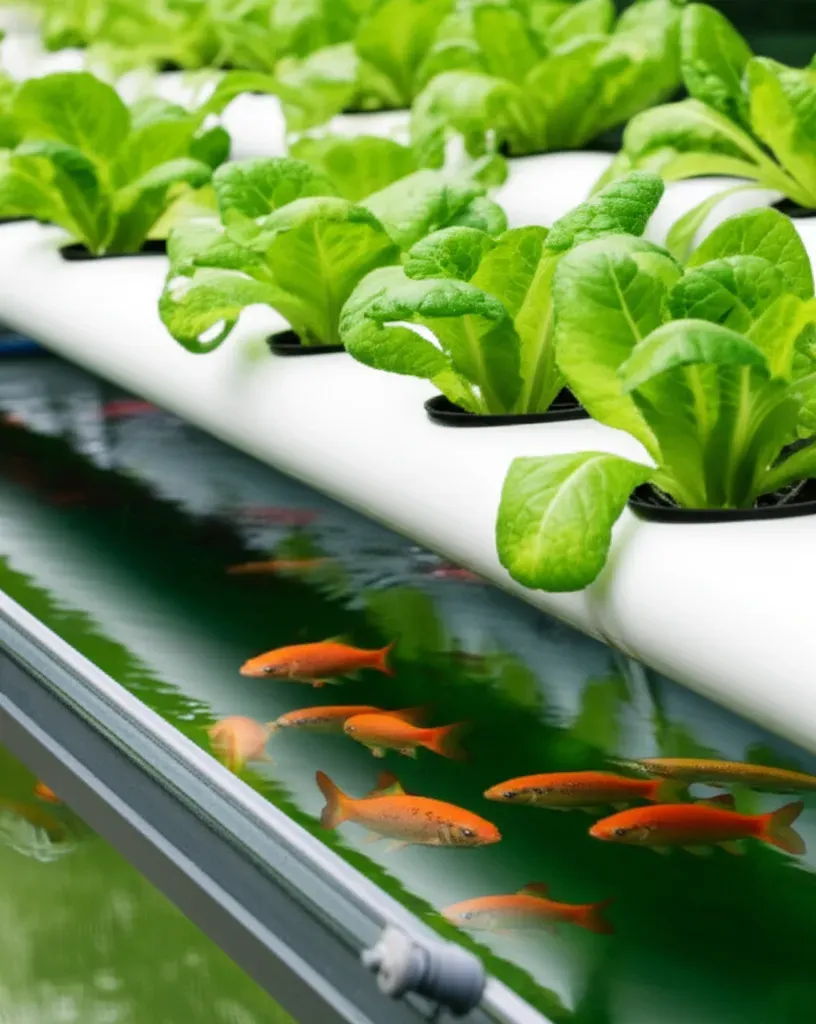
Your available space and food production goals should drive your system selection before you consider specific designs. A 5-gallon countertop unit suits apartment dwellers testing the concept, while a 300-gallon garage setup can provide weekly salads and occasional fish dinners for a family of four.
Comparison of Aquaponics System Types for Home Growers
| System Type | Best For | Bacteria Surface Area | Solid Waste Filtration | Plant Density | Beginner-Friendly | Monitoring Difficulty |
|---|---|---|---|---|---|---|
| Media-Based | Beginners, forgiving systems | Excellent | Excellent | Moderate | Yes | Low |
| Nutrient Film Technique (NFT) | Space optimization, experienced growers | Moderate | Poor | High | No | High |
| Deep Water Culture (DWC) | Maximum production, experienced growers | Moderate | Poor | High | No | High |
Three main system types dominate home aquaponics: media-based systems use grow beds filled with expanded clay pebbles or similar substrate where bacteria colonize and plants root, nutrient film technique (NFT) flows a thin film of water through channels where plant roots dangle, and deep water culture (DWC) suspends plant roots directly in nutrient-rich water (University of Maryland Extension). Media-based systems offer the most forgiveness for beginners because the grow media provides extensive surface area for beneficial bacteria and acts as a mechanical filter for solid waste.
If your priority is minimizing upfront cost and testing whether aquaponics fits your lifestyle, choose a small media-based system. If you're optimizing for maximum production in limited square footage and have some growing experience, NFT or DWC systems deliver higher plant densities but require more careful monitoring.
Small-Scale Systems: Getting Started Without Major Investment
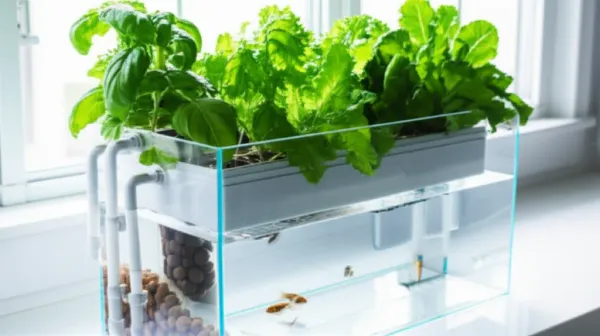
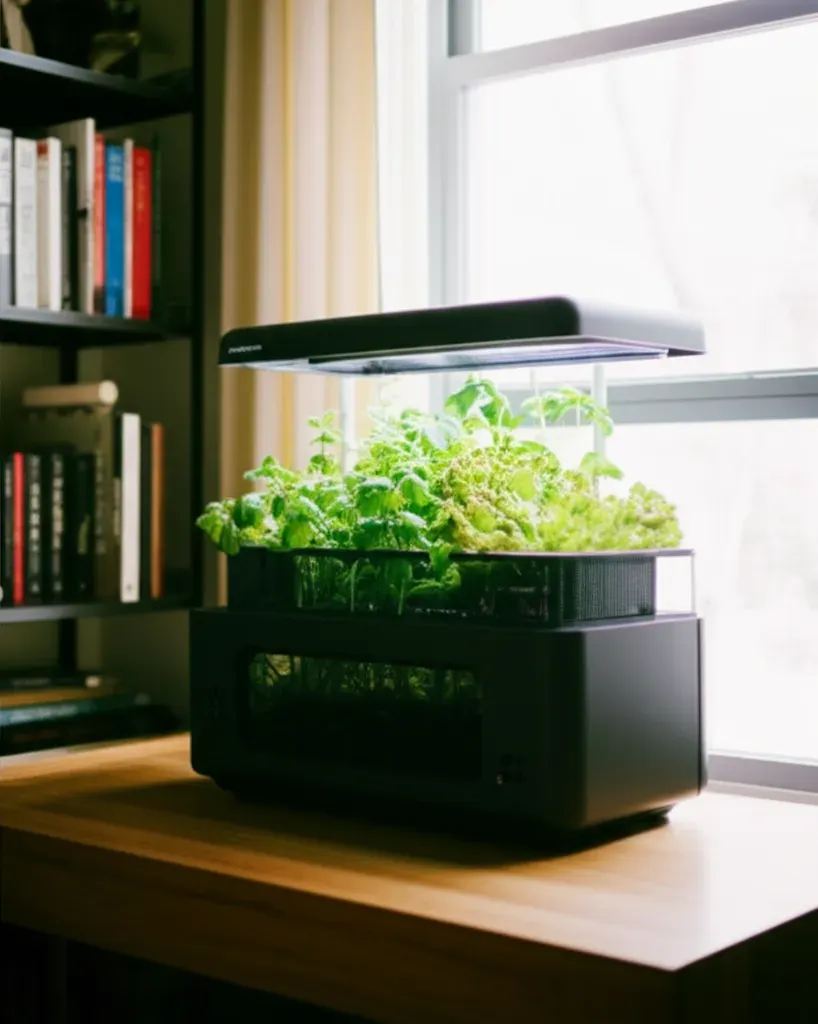
Countertop and desktop systems in the 5-20 gallon range cost between $150-$400 and fit on a kitchen counter or bookshelf near a window. These setups typically support 4-8 small herb plants or a few heads of lettuce, producing enough basil for weekly pesto or fresh greens for daily salads.
Expect to harvest about 2-4 ounces of herbs or greens weekly once the system matures. The fish, usually 2-4 goldfish in these small systems, won't reach eating size, but they provide the biological engine. These systems excel at teaching you water chemistry, feeding schedules, and plant care without requiring dedicated space or significant financial risk. I started with a 10-gallon countertop system wedged between my coffee maker and a south-facing window, skeptical that three goldfish could grow anything substantial. Within six weeks, I was clipping enough basil to make pesto twice a week, and the smell of fresh herbs greeting me every morning turned me from curious experimenter into committed grower. That $200 investment taught me more about nitrogen cycles and pH balance than any book could have, and the system is still running in my kitchen four years later.
Mid-Size Systems: Feeding Your Household Year-Round
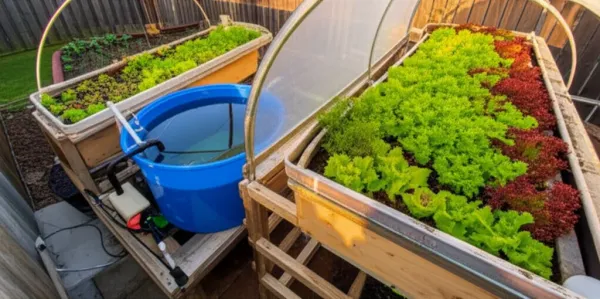
Systems in the 100-300 gallon range require a spare bedroom, insulated garage, basement area, or small greenhouse, along with $800-$2000 for quality components. You'll need a level floor that can support 1000+ pounds when filled, electrical outlets for pumps and optional grow lights, and comfortable access for daily feeding and weekly maintenance.
These setups can produce 5-10 pounds of leafy greens weekly plus annual fish harvests of 20-40 pounds, depending on your stocking density and species choice. You'll have room for variety: lettuce, kale, Swiss chard, herbs, and even compact fruiting plants like cherry tomatoes or peppers once you've mastered the basics.
Setup complexity increases with size, expect 2-3 full days for assembly and plumbing if you're reasonably handy, longer if this is your first time working with PVC or water pumps. The investment pays back through grocery savings within 12-18 months for most households that consistently harvest and replant.
Ready-Made Kits vs. DIY: What's Right for Your Skill Level
Pre-designed kits remove the guesswork around component sizing, plumbing configurations, and pump capacity, critical factors that cause most DIY system failures. You'll pay a premium (typically 40-60% more than parts cost), but you get instructions, tech support, and components guaranteed to work together.
DIY builds let you customize dimensions to fit awkward spaces and reduce costs if you're comfortable with basic plumbing and have tools on hand. Many growers discover that a hybrid approach works best: buy a kit for your first system to learn the principles, then build custom expansions once you understand how water flow, filtration, and grow bed ratios interact.
Setting Up Your First System: What You Actually Need to Know
Location selection determines your success before you unpack a single component. You need a level surface verified with a carpenter's level, even a one-degree slope causes uneven water distribution and potential overflow. The floor or stand must support 10 pounds per gallon of total system volume, including fish tanks, grow beds, and sump tanks.
Home Aquaponics System Size and Production Capacity
| System Size | Tank Volume | Typical Cost | Best Living Situation | Expected Production | Space Required |
|---|---|---|---|---|---|
| Countertop/Desktop | 5-20 gallons | $150-$400 | Apartment, limited space | Herb experimentation | Kitchen counter or shelf |
| Small-Scale | 20-50 gallons | $400-$800 | Small home, office | Weekly salads, herbs | Spare bedroom corner |
| Mid-Size | 100-300 gallons | $1,500-$3,500 | House with garage/patio | Weekly salads + occasional fish | Garage or greenhouse |
| Large-Scale | 300+ gallons | $3,500+ | Dedicated growing space | Family food production year-round | Full greenhouse or dedicated room |
Indoor locations require electrical outlets within 6 feet for pumps and optional grow lights, plus enough ambient light or supplemental lighting to provide 6-8 hours of illumination daily. Temperature stability matters more than most beginners expect, wild swings between day and night stress both fish and plants, so avoid locations near exterior doors or uninsulated walls.
Preparing Your Space and Installing the System
Clear a footprint 20% larger than your system's dimensions to allow access for maintenance and water testing. Place waterproof barriers under and around the system, water will splash during feeding and maintenance regardless of how careful you are.
Assembly typically takes 4-8 hours for kit systems, following the included instructions step by step without improvising. The most common hiccup involves plumbing connections that drip under pressure, so hand-tighten all fittings, then add one-quarter turn with a wrench rather than over-cranking and cracking plastic threads.
Test for leaks by filling the system with water and running the pump for 2-3 hours while you observe every connection, bulkhead, and seam. Mark any drips with tape, drain the system, reseal those points, and test again. Finding leaks now prevents discovering them at 2 AM when your bedroom floor is flooded.
Cycling Your System: The Critical First Month
You must establish bacterial colonies before adding fish, a process called cycling that takes 4-6 weeks (University of Maryland Extension). Start by adding a source of ammonia, either pure household ammonia (without surfactants) or fish food that decomposes in the water.
Test your water every 2-3 days using a freshwater aquarium test kit that measures pH, ammonia, nitrite, and nitrate. You'll see ammonia spike first, then drop as nitrite rises, then nitrite will fall as nitrate climbs. The system is cycled when you can add ammonia and see it convert to nitrate within 24 hours with no ammonia or nitrite remaining.
Target a pH between 6.8-7.2, which balances the needs of fish, plants, and bacteria (USDA National Agricultural Library). Most municipal water works fine, though you may need to adjust pH using small amounts of pH up or down solutions available at aquarium stores.
Choosing Your First Fish and Plants
Goldfish tolerate the fluctuations common in new systems and thrive in unheated indoor water, making them ideal for your first few months. Tilapia grow faster and taste better but require water temperatures between 75-85°F (University of the Virgin Islands), necessitating aquarium heaters in most climates. Catfish offer a middle ground, hardy like goldfish but edible like tilapia.
Stock conservatively: one pound of fish per 5-7 gallons of water in media-based systems. Start with half that density and increase as you gain confidence managing water quality. "Tilapia are incredibly forgiving for beginners because they communicate stress through behavior changes before water quality becomes critical," says Dr. James Rakocy, retired Director of the Agricultural Experiment Station at the University of the Virgin Islands and pioneer of commercial aquaponics research.
Lettuce, basil, mint, Swiss chard, and kale have low to medium nutrient requirements and tolerate beginner mistakes (Purdue Extension). Avoid fruiting plants like tomatoes and peppers initially, they demand higher nutrient levels and more precise environmental control than your first system will provide.
Daily, Weekly, and Monthly Care: The Real Time Commitment
Daily maintenance requires 5-10 minutes: feed your fish once or twice depending on species and temperature, observe their behavior for signs of stress or disease, and visually inspect plants for pest damage or nutrient deficiencies (Purdue Extension). Fish that hide constantly or gasp at the surface signal water quality problems requiring immediate testing.
Weekly tasks take 15-20 minutes and include testing pH, ammonia, nitrite, and nitrate levels, checking water temperature, topping off evaporated water, and inspecting plant roots for algae or rot. You'll also harvest mature plants and transplant seedlings to replace them, maintaining continuous production.
Monthly maintenance involves 30-45 minutes of cleaning mechanical filters, removing solid waste accumulation from grow beds, trimming dead leaves, and performing a partial water change if nitrate levels exceed 80 ppm. Some growers also clean algae from tank walls and check pump impellers for debris.
If you need to leave for a week, these systems tolerate short absences better than soil gardens. Use automatic fish feeders (available for $15-30) and have someone check water levels mid-week. Systems crash from neglect over weeks, not days, giving you flexibility for normal vacations and work travel. The key limitation is evaporation, you'll lose 1-3% of system volume weekly depending on temperature and humidity, so water level monitoring matters more than daily feeding during short absences.
Year-Round Growing Success: Climate Control and Seasonal Considerations
Indoor systems eliminate seasonal limitations entirely if you control temperature and provide supplemental lighting. LED grow lights designed for vegetative growth cost $40-200 depending on coverage area and deliver the spectrum leafy greens need without the heat output of older technology.
Maintain water temperature appropriate for your fish species: 65-75°F for goldfish, 75-85°F for tilapia, 70-78°F for catfish. Aquarium heaters with thermostats automate this task, costing $25-60 depending on wattage. In hot climates, cooling becomes the challenge, fans blowing across water surfaces, frozen water bottles floated in tanks, or evaporative cooling can drop temperatures 5-8°F without expensive chillers.
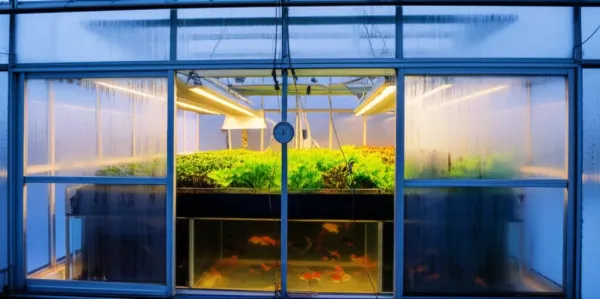
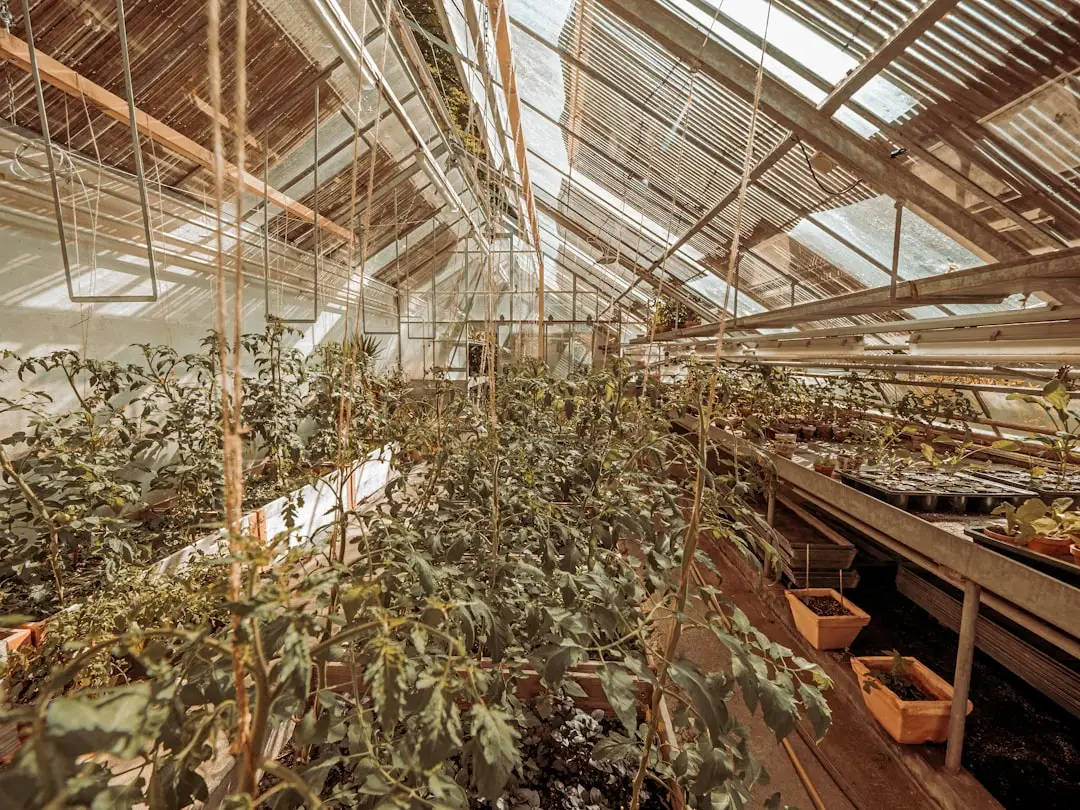
Greenhouse systems extend growing seasons in temperate climates but require heating in winter and ventilation in summer. Many growers discover that insulating a garage or basement and running the system indoors proves simpler than managing greenhouse temperature swings, particularly in regions with harsh winters or scorching summers.
Seasonal adjustments matter even indoors: fish eat less in cooler temperatures, so reduce feeding in winter if your space isn't heated. Plant growth slows when day length drops below 10 hours, so add supplemental lighting or accept reduced winter harvests. Research from the University of the Virgin Islands' aquaponics program demonstrates that controlled-environment systems can achieve 6-8 harvests annually compared to 1-2 harvests in traditional outdoor gardens, with leafy greens reaching market size in just 28-35 days under optimized conditions. A 2019 study published in the Journal of Cleaner Production found that temperature-controlled aquaponics systems maintained 92-97% productivity year-round, while unheated greenhouse systems in temperate zones experienced 60-75% production drops during winter months when water temperatures fell below optimal ranges. The energy investment pays dividends: growers using basic insulation and supplemental heating reported spending $40-80 monthly on climate control while harvesting 15-25 pounds of produce weekly from systems as small as 100 square feet.
Start your aquaponics journey with a system sized to your available space and current skill level, cycle it properly before adding fish, and commit to the simple daily routines that keep water chemistry stable. You'll be harvesting fresh greens within 4-6 weeks of setup and gaining the confidence to expand your system or try new crops as your experience grows.
Related Articles
- Complete Guide to Aquaponics Systems: How They Work & Getting Started
- Growing Vegetables in Aquaponics: What Works Best & How
- Indoor Aquaponics Systems: Complete Setup & Maintenance Guide
- DIY Aquaponics Systems: Complete Build Guide for Beginners
- Best Fish for Aquaponics Systems: Complete Species Guide
- Vertical Aquaponics Systems: Maximize Space & Yield
Frequently Asked Questions
How often do I need to feed my fish in an aquaponics system?
You should feed your fish daily, typically once or twice per day depending on the fish species and water temperature. Daily feeding is the single input that drives the entire nutrient cycle for both your fish and plants, so consistency is important for maintaining system balance.
Can I grow aquaponics indoors year-round without natural sunlight?
Yes, you can grow indoors year-round, but you'll need to install grow lights to replace natural sunlight. The article mentions spare bedrooms and indoor setups allowing harvests in January and December, making supplemental lighting essential for consistent year-round production.
What's the difference between media-based and NFT aquaponics systems?
Media-based systems use gravel or clay pellets as growing medium and are more beginner-friendly with excellent bacteria surface area and solid waste filtration. NFT (Nutrient Film Technique) systems are more space-efficient but better suited for experienced growers and require more careful monitoring.
How long does it take to get an aquaponics system up and running?
The critical first month is the 'cycling' phase where beneficial bacteria colonies establish themselves throughout your system. During this period, the system isn't yet stable for full production, so patience during this initial setup phase is essential before you can expect consistent harvests.
Do I need to use any chemical fertilizers in an aquaponics system?
No, you never need to buy or use chemical fertilizers in aquaponics. Fish waste provides all the nutrients your plants need naturally, eliminating the need for synthetic fertilizers entirely while maintaining a sustainable closed-loop ecosystem.
What size system do I need to feed a family of four?
A 300-gallon garage setup can provide weekly salads and occasional fish dinners for a family of four. Your system size should match your food production goals—smaller units work for testing the concept, while larger systems are needed for consistent household food production.
Is aquaponics suitable for people with mobility issues or physical limitations?
Yes, aquaponics is excellent for people with back or knee problems since you can build grow beds at waist height, eliminating the bending, kneeling, and heavy lifting required in traditional soil gardening. There's also no soil to haul or weeds to pull.
How much water does an aquaponics system use compared to traditional gardening?
Aquaponics uses approximately 90% less water than traditional soil-based gardening because the closed-loop system only requires replacing water lost through evaporation and plant transpiration. There's no runoff or wasted water, making it highly efficient.