Designing an Aquaponics System with Tilapia: Complete Guide
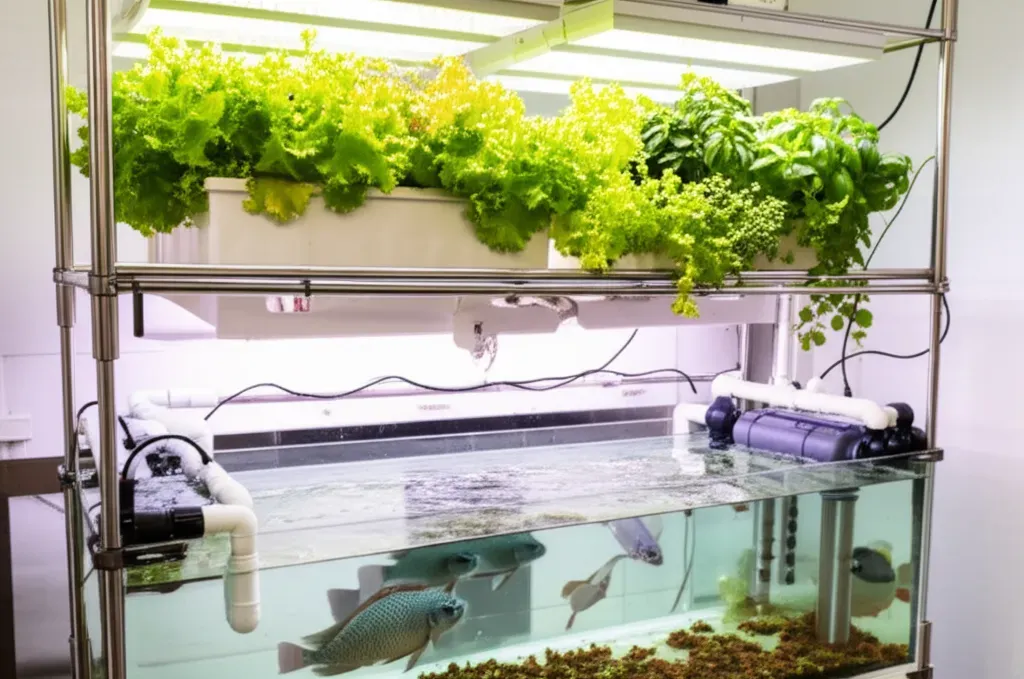
Designing an aquaponics system with tilapia requires matching your fish tank size to your grow bed capacity, the baseline ratio is 1 pound of tilapia per 5-7 gallons of growing media, with total system volume determining your maximum fish population. You're essentially building two interconnected ecosystems where tilapia waste feeds your plants and plants clean the water for your fish, a balance governed by the nitrogen cycle's capacity to convert ammonia into usable nutrients.
Table of Contents
- Understanding Your Aquaponics System Requirements and Goals
- Determining System Size Based on Your Space and Production Needs
- Budget Planning: Initial Investment and Operating Costs
- Time and Physical Requirements for System Management
- Essential Components and How to Select Quality Equipment
- Fish Tanks: Material, Size, and Placement Considerations
- Filtration Systems: Mechanical, Biological, and Solids Removal
- Grow Beds, Pumps, and Plumbing Infrastructure
- Designing Your System Layout for Optimal Performance
- Choosing Your System Configuration: Media Bed, DWC, or Hybrid
- Water Flow Design and Circulation Patterns
- Climate Control and Environmental Considerations
- Tilapia Care: Stocking, Feeding, and Health Management
- Sourcing Quality Fingerlings and Initial Stocking Protocols
- Feeding Schedules, Feed Selection, and Growth Optimization
- Water Quality Parameters and Testing Protocols
- System Cycling, Launch, and Long-Term Maintenance
- The Nitrogen Cycle and Establishing Beneficial Bacteria
- Troubleshooting Common Design Problems and System Failures
Most growers choose tilapia because they tolerate the water quality fluctuations common during system startup and forgive beginner mistakes that would stress trout or bass. The design process starts with your available space and production goals, then works backward to determine tank volume, filtration capacity, and pump specifications. I've seen too many enthusiasts skip this planning phase and end up with mismatched components that never achieve stable water parameters.
Understanding Your Aquaponics System Requirements and Goals
Your system design begins with honest assessment of three constraints: physical space, available budget, and time you can dedicate to daily management. These factors determine whether you'll succeed with a 100-gallon starter system or can handle a 1000-gallon production setup. Skipping this evaluation leads to abandoned systems within six months.
Determining System Size Based on Your Space and Production Needs
Calculate your maximum fish population by measuring your available square footage and deciding between indoor or outdoor placement. A 100-gallon fish tank with 200 gallons of grow bed volume supports approximately 20-25 pounds of adult tilapia at harvest weight (University of Hawaii). This translates to roughly 15-20 fish if you're growing them to plate size, though stocking density affects growth rates and final weight.
Indoor systems require climate control infrastructure and adequate floor load capacity, water weighs 8.3 pounds per gallon, so a 300-gallon total system weighs over a ton when fully operational. Outdoor systems need protection from temperature extremes and predators. Your grow bed should provide 1-2 square feet of growing space per pound of fish, which yields approximately 8-12 mature vegetable plants per square foot depending on crop selection.
The fish-to-plant ratio operates on a feeding-based calculation rather than simple volume: you'll need approximately 60-100 grams of fish feed per square meter of plant growing area daily once the system matures (University of Virgin Islands). Start with this formula, then adjust based on your specific crop nutrient demands and local growing conditions.
Budget Planning: Initial Investment and Operating Costs
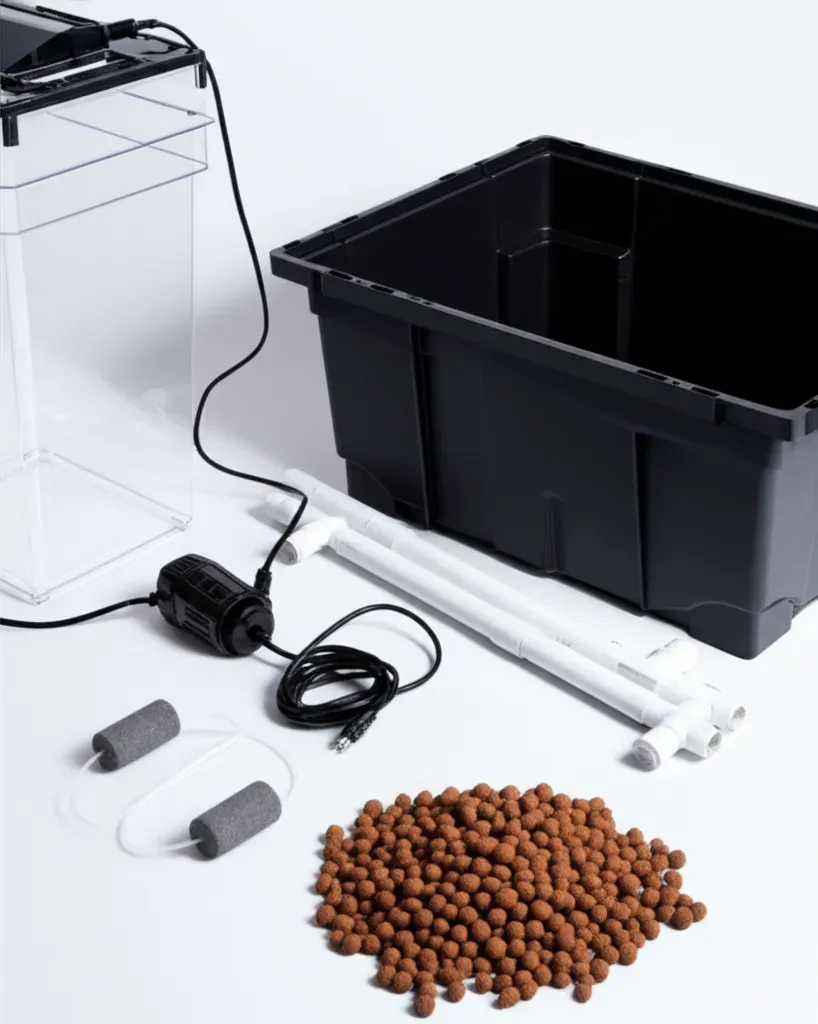
A functional 100-gallon system costs $500-800 in materials if you source components strategically: IBC totes for tanks ($50-100 used), grow bed containers ($40-80), water pump ($60-120), air pump and stones ($40-60), plumbing ($80-150), and grow media ($100-200). Well, these numbers assume you're building rather than buying a kit, which typically doubles the cost.
Medium systems running 250-500 gallons require $1,200-2,500 in initial investment, with the jump primarily driven by larger pumps, additional filtration, and structural support requirements. Operating costs include fish feed ($30-50 monthly for a 100-gallon system), electricity for pumps and aeration ($15-35 monthly), and water testing supplies ($10-20 monthly during the first year).
Save money by sourcing food-grade IBC totes from local distributors, using gravel instead of expanded clay if you have access to clean river rock, and building your own bell siphons from PVC rather than buying manufactured units. Never compromise on pump quality or backup aeration, these prevent total system crashes during equipment failure. I've watched too many new growers drain their savings on polished retail kits, then abandon the hobby after three months when a $15 pump fails and they realize the replacement costs more than rebuilding with standard parts. My own first system used a $60 Craigslist IBC tote that still runs six years later—the scratched plastic doesn't affect water chemistry, and that saved $300 funded my second grow bed instead of lining a manufacturer's pocket.
Time and Physical Requirements for System Management
Daily tasks consume 15-20 minutes: feeding fish, visual health checks, and observing plant growth patterns. Weekly maintenance adds 30-45 minutes for water testing, inspecting plumbing connections, and removing any accumulated solids from filters. Monthly deep maintenance requires 2-3 hours for thorough system inspection and equipment cleaning.
Physical accessibility matters more than most beginners anticipate. Position fish tanks at waist height to eliminate bending during feeding and observation, I've seen older growers abandon floor-level systems due to knee strain. Grow beds at 30-36 inches allow comfortable harvesting without excessive reaching or stooping.
Automation reduces physical demands significantly: automatic fish feeders handle vacation periods, timer-controlled grow lights maintain consistent photoperiods, and backup battery systems keep air pumps running during power outages. These additions increase upfront costs but extend the viable operating years for growers with mobility limitations.
Essential Components and How to Select Quality Equipment
Component selection determines whether your system operates smoothly for years or requires constant troubleshooting and replacement. Quality equipment costs more initially but eliminates the frustration of failed pumps during critical cycling periods or cracked tanks that flood your space.
Initial Investment Costs by System Size
| System Size | Fish Tank Volume | Total System Volume | Material Cost Range | Key Cost Drivers |
|---|---|---|---|---|
| Starter | 100 gallons | 300 gallons | $500-800 | IBC totes, basic pump, plumbing |
| Medium | 250-500 gallons | 750-1,500 gallons | $1,200-2,500 | Larger pumps, additional filtration, structural support |
| Production | 1,000+ gallons | 3,000+ gallons | $5,000+ | Commercial-grade equipment, climate control, redundant systems |
Fish Tanks: Material, Size, and Placement Considerations
Food-grade IBC totes offer the best value for most growers, these 275-gallon containers cost $50-150 used and include built-in metal cages for structural support. Stock tanks work well for smaller systems but lack the volume efficiency of IBC totes. Fiberglass tanks last decades but cost significantly more, a worthwhile investment if you're planning permanent installation.
Tilapia require minimum 5-10 gallons per fish at harvest weight, though 10 gallons per fish produces better growth rates and reduces stress (University of Hawaii). Tank depth should reach at least 18 inches to allow proper swimming behavior and maintain stable temperature gradients. Honestly, shallow tanks create management headaches because they fluctuate rapidly with ambient temperature changes.
Outdoor placement requires shade structures in hot climates and insulation in cold regions. Indoor systems need floor reinforcement and waterproof barriers, a catastrophic tank failure in a basement destroys everything. Position tanks near electrical outlets but away from windows that create temperature swings.
Filtration Systems: Mechanical, Biological, and Solids Removal
Your system needs three filtration stages working in sequence: mechanical removal of solid waste, biological conversion of ammonia to nitrates, and final plant uptake of dissolved nutrients. Mechanical filtration happens in swirl filters or radial flow settlers that use water velocity reduction to drop solids into collection zones. Clean these weekly to prevent anaerobic decomposition.
Biological filtration occurs primarily in your grow bed media, where beneficial bacteria colonize surfaces and convert toxic ammonia into nitrites, then nitrates. Media beds require 12 inches minimum depth to provide adequate surface area for bacterial colonies. Supplemental biofilters using K1 media or matala pads help in high-density systems where grow bed capacity can't handle the full biological load.
Calculate pump capacity at 1-2 complete tank turnovers per hour, a 250-gallon fish tank needs a pump rated for 250-500 gallons per hour (GPH) at your specific head height. Higher flow rates don't improve filtration and can stress fish. Install a backup pump or keep a spare on hand, because pump failure means ammonia buildup within 24-48 hours.
Grow Beds, Pumps, and Plumbing Infrastructure
Media bed systems flood and drain on cycles, requiring 12-inch minimum depth to support root development and maintain moisture during drain phases. Expanded clay pebbles provide optimal surface area for bacteria and drain freely, though clean pea gravel works at one-third the cost if you verify it won't affect pH. Avoid limestone-based gravel that raises pH above the optimal 6.8-7.2 range.
Deep water culture (raft) systems float plants on foam boards in 12-inch deep channels, offering easier harvesting for commercial operations but requiring more sophisticated filtration. NFT (nutrient film technique) uses shallow channels with thin water films, suitable for leafy greens but risky for beginners because pump failure immediately stresses plants.
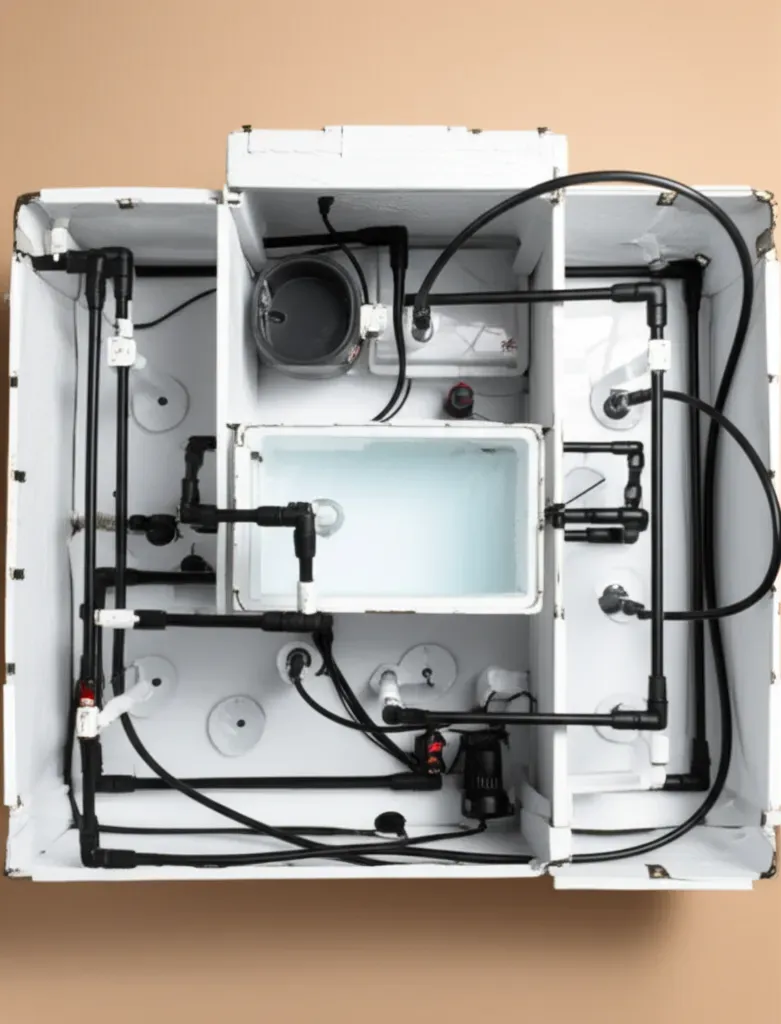
Plumbing design should include unions at strategic points for easy disassembly, ball valves to isolate sections during maintenance, and check valves to prevent backflow. Use schedule 40 PVC for durability, and size pipes at least 3/4-inch diameter to prevent clogging. Install your main drain with a standpipe overflow system that prevents tank overfilling if your return pump fails, this single feature prevents most catastrophic floods. Research from Auburn University's aquaculture program demonstrates that proper water flow rates directly impact system performance, with their 2019 trials showing grow beds requiring 4-6 complete water exchanges per hour to maintain adequate dissolved oxygen levels above 5 mg/L. The study found that systems operating below this threshold experienced 23% slower plant growth and elevated ammonia spikes during feeding periods. When sizing your pump, calculate total system volume and multiply by 5 to determine minimum gallons-per-hour capacity—a 100-gallon system needs a 500 GPH pump as your baseline, then add 20% overhead for head height and friction loss through plumbing fittings.
Designing Your System Layout for Optimal Performance
System layout affects everything from maintenance accessibility to energy efficiency. A well-designed configuration lets you observe fish behavior, harvest plants comfortably, and access all components without draining tanks or moving heavy equipment.
Choosing Your System Configuration: Media Bed, DWC, or Hybrid
Media bed systems excel for beginners because they provide mechanical and biological filtration in one component, the flood-and-drain cycle pulls oxygen into the media, supporting robust bacterial populations while preventing anaerobic zones (University of Maryland Extension). Bell siphons or timer-controlled pumps create these cycles automatically, draining beds every 15-45 minutes depending on system size.
Deep water culture systems suit larger operations focused on leafy greens and herbs. Plants grow faster in constant water contact, but you'll need separate mechanical filtration and mineralization tanks to process solid waste. The University of Virgin Islands commercial system uses this configuration with clarifiers and biofilters preceding the raft beds.
Hybrid approaches combine media beds for heavy-feeding fruiting plants with DWC channels for lettuce and herbs. This maximizes production diversity while the media beds handle most biological filtration. If your priority is vegetable variety, hybrid systems deliver, if you're optimizing for simplicity and reliability, stick with media beds for your first build.
Water Flow Design and Circulation Patterns
Proper circulation turns your entire tank volume every 1-2 hours, ensuring even oxygen distribution and preventing dead zones where waste accumulates. Position pump intakes at tank bottom to pull settled solids into filtration, and return water at the surface to maximize gas exchange. Create circular flow patterns using properly angled returns, this keeps solids suspended until they reach your mechanical filter.
Gravity-fed returns from grow beds back to fish tanks reduce pump requirements and provide fail-safe operation during power outages. The water naturally drains down, maintaining some circulation even when pumps stop. Install redundancy for critical functions: a backup air pump on battery backup maintains dissolved oxygen during power failures, and a secondary water pump (even a smaller unit) prevents total circulation loss. Many growers discover their main pump failed only after fish show stress symptoms, by then, ammonia levels have already spiked. "The single most common mistake I see in aquaponics design is inadequate water circulation—you need that complete turnover every hour to maintain dissolved oxygen levels above 5 mg/L for both fish and beneficial bacteria," says Dr. James Rakocy, retired Professor of Agricultural Systems and former Director of the University of the Virgin Islands aquaponics program.
Climate Control and Environmental Considerations
Tilapia thrive between 75-86°F, with growth slowing significantly below 70°F and stopping entirely below 55°F (University of Hawaii). Cold climate growers need aquarium heaters (300-watt units for 100-gallon tanks), insulated tanks, or greenhouse enclosures to maintain these temperatures year-round.
Hot climate operations require opposite interventions: shade cloth reducing light intensity by 30-50%, evaporative cooling through increased aeration, or chiller units for systems exceeding 90°F regularly. Outdoor systems benefit from partial burial, using earth's thermal mass to buffer temperature swings.
Backup power deserves serious consideration if you're raising valuable fish stocks. A small generator or battery backup system maintaining aeration can save an entire population during extended outages. At minimum, keep battery-powered air stones available, these $20 devices have saved countless systems during unexpected pump failures.
System Size and Fish Stocking Capacity
| Fish Tank Size | Grow Bed Volume | Maximum Fish Population | Adult Tilapia Weight at Harvest | Growing Space Required | Mature Plants Supported |
|---|---|---|---|---|---|
| 100 gallons | 200 gallons | 20-25 pounds | 15-20 fish | 20-25 sq ft | 160-300 plants |
| 250 gallons | 500 gallons | 50-60 pounds | 40-50 fish | 50-60 sq ft | 400-720 plants |
| 500 gallons | 1,000 gallons | 100-120 pounds | 80-100 fish | 100-120 sq ft | 800-1,440 plants |
Tilapia Care: Stocking, Feeding, and Health Management
Tilapia succeed in aquaponics because they tolerate crowding, resist disease, and grow rapidly on affordable feed. Their hardiness doesn't mean they're indestructible, proper stocking density, feeding protocols, and water quality monitoring separate thriving populations from stressed fish that stop growing.
Sourcing Quality Fingerlings and Initial Stocking Protocols
Purchase fingerlings from certified aquaculture suppliers rather than pet stores, as production strains grow faster and tolerate higher densities than ornamental varieties. Blue tilapia and Nile tilapia perform best in most systems, with blue tilapia handling cooler temperatures (down to 50°F survival, though growth stops). Order 2-4 inch fingerlings and plan for 30% larger quantity than your target population, some mortality during acclimation is normal.
Acclimate new fish slowly by floating sealed bags in your tank for 20-30 minutes, then gradually mixing tank water into bags over another 30 minutes. Stock lightly initially: 10-15 fingerlings in a 100-gallon tank allows your biological filtration to develop without ammonia spikes. You can increase density once your system matures and bacterial populations stabilize, typically after 6-8 weeks of operation.
Feeding Schedules, Feed Selection, and Growth Optimization
Feed tilapia 1-2% of their total body weight daily, split into 2-3 feedings to improve digestion and reduce waste (University of Virgin Islands). A 100-gallon tank with 20 pounds of fish requires roughly 3-4 ounces of feed daily. Use floating pellets so you can observe feeding behavior, uneaten food indicates overfeeding or health problems.
Select feeds with 32-36% protein content for fingerlings and juveniles, dropping to 28-32% protein as fish approach harvest size. Higher protein accelerates growth but increases nitrogen loading on your system. Store feed in sealed containers away from moisture, spoiled feed causes digestive issues and introduces pathogens.
Adjust feeding rates based on water temperature: fish metabolism slows below 70°F, requiring reduced portions to prevent waste accumulation. Stop feeding entirely if temperatures drop below 55°F. During hot periods above 86°F, reduce portions by 25-30% as fish experience heat stress and reduced appetite.
Water Quality Parameters and Testing Protocols
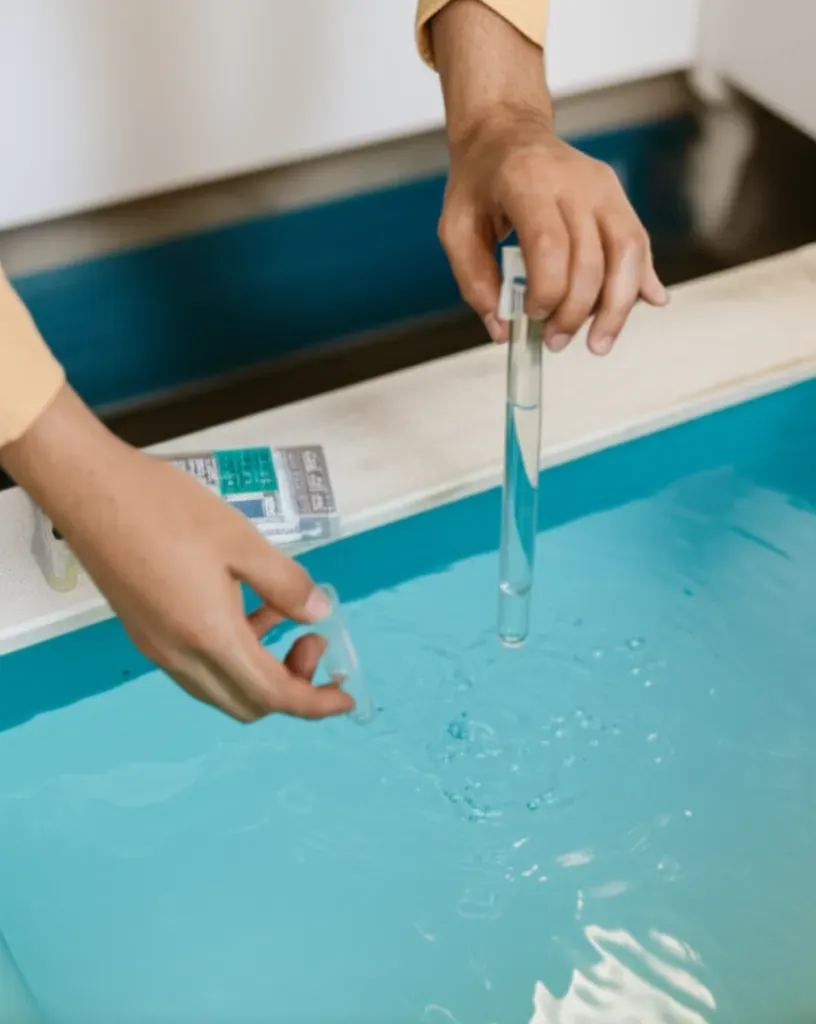
Test ammonia, nitrite, nitrate, and pH weekly during system maturity, and daily during initial cycling. Ammonia and nitrite should read zero in established systems, any detectable level indicates biological filtration problems requiring immediate attention. Nitrate levels between 20-150 ppm support vigorous plant growth, with levels below 10 ppm suggesting insufficient fish feeding or excessive plant uptake.
Maintain pH between 6.8-7.2 for optimal nutrient availability to plants and fish health (University of Hawaii). pH naturally drifts downward as nitrification produces acid, requiring periodic buffering with calcium carbonate or potassium bicarbonate.
Dissolved oxygen must stay above 5 mg/L for tilapia health, achieved through vigorous aeration using air stones or venturi systems. Fish gasping at the surface indicate oxygen depletion requiring immediate increased aeration. Temperature affects oxygen solubility, warmer water holds less oxygen, so hot weather demands enhanced aeration even if fish aren't actively feeding.
System Cycling, Launch, and Long-Term Maintenance
Cycling establishes the bacterial populations that convert fish waste into plant nutrients, a process requiring 3-6 weeks before your system can safely support full fish populations (USDA). Rushing this phase kills fish through ammonia poisoning and creates instability that persists for months.
The Nitrogen Cycle and Establishing Beneficial Bacteria
Start cycling by adding an ammonia source, either a few hardy goldfish, pure ammonia solution (dosed to 2-4 ppm), or decomposing fish food. Nitrifying bacteria colonize all wet surfaces, converting ammonia to nitrite (Nitrosomonas species), then nitrite to nitrate (Nitrobacter species). This two-stage process creates a lag where ammonia drops but nitrite spikes before finally both read zero and nitrates begin accumulating.
Maintain water temperature above 65°F during cycling, as bacterial reproduction slows dramatically in cold water. Add established filter media from another aquaponics system or aquarium to seed bacteria and reduce cycling time by 1-2 weeks.
Consider your system fully cycled when you can add ammonia to 2 ppm and see it convert to nitrate within 24 hours with no nitrite accumulation. Only then should you stock your target fish population. Many growers discover their system wasn't fully cycled only after losing fish, test thoroughly before adding expensive tilapia fingerlings.
Troubleshooting Common Design Problems and System Failures
Persistent cloudy water indicates insufficient mechanical filtration or bacterial bloom from overfeeding. Add or clean mechanical filters and reduce feeding by 30-40% until water clears. Green water signals excess light reaching fish tanks, cover tanks or reduce photoperiod to eliminate algae competition for nutrients.
Slow plant growth despite adequate fish feeding suggests pH imbalance, insufficient light, or micronutrient deficiencies (iron and calcium most common). Test and adjust pH first, then verify plants receive 6-8 hours of strong light daily. Supplement iron using chelated iron products if leaves show yellowing with green veins.
Bell siphon failures frustrate beginners more than any other issue, these require precise standpipe height, adequate flow rates, and proper air channel sizing. If siphons won't start, increase pump flow, if they won't stop, enlarge the air intake hole. Timer-controlled pumps eliminate siphon complexity entirely, though they require backup power to prevent overflow during outages. Look, sometimes the simplest solution is the best solution, even if it feels less elegant than a perfectly functioning bell siphon.
Related Articles
- Best Fish for Aquaponics Systems: Complete Species Guide
- How Does an Aquaponics System Work? The Complete Cycle Explained
- Aquaponics System Design: Planning Your Perfect Setup
- Growing Vegetables in Aquaponics: What Works Best & How
- Aquaponics System Parts & Components: Complete Checklist
- DIY Aquaponics Systems: Complete Build Guide for Beginners
Frequently Asked Questions
What is the ideal fish-to-water ratio for a tilapia aquaponics system?
The baseline ratio is 1 pound of tilapia per 5-7 gallons of growing media. For example, a 100-gallon fish tank with 200 gallons of grow bed volume supports approximately 20-25 pounds of adult tilapia. You can calculate your maximum population by measuring your available space and using the formula of 1-2 square feet of growing space per pound of fish.
Why are tilapia recommended for beginner aquaponics systems?
Tilapia are forgiving fish that tolerate water quality fluctuations common during system startup and can survive beginner mistakes that would stress more sensitive species like trout or bass. This makes them ideal for learning the aquaponics process before advancing to more demanding fish species.
How much weight can my floor support for an indoor aquaponics system?
Water weighs 8.3 pounds per gallon, so a 300-gallon total system weighs over a ton when fully operational. Before setting up an indoor system, verify your floor's load capacity can handle this weight, as most residential floors have weight limits. You may need to distribute the system across multiple structural supports or reinforce the floor.
What are the monthly operating costs for a 100-gallon aquaponics system?
Monthly operating costs typically include fish feed ($30-50), electricity for pumps and aeration ($15-35), and water testing supplies ($10-20). Total monthly expenses generally range from $55-105 depending on your specific setup and local utility rates.
How much fish feed do I need daily once my system is mature?
You'll need approximately 60-100 grams of fish feed per square meter of plant growing area daily once the system matures. Adjust this amount based on your specific crop nutrient demands and local growing conditions, as different plants have varying nutrient requirements.
What's the minimum cost to build a functional aquaponics system?
A functional 100-gallon system costs $500-800 in materials when sourcing components strategically: IBC totes ($50-100 used), grow bed containers ($40-80), water pump ($60-120), air pump and stones ($40-60), plumbing ($80-150), and grow media ($100-200). Pre-made kits typically cost double this amount.
Should I choose an indoor or outdoor aquaponics system?
Indoor systems require climate control infrastructure and verification that your floor can support the weight (over 1 ton for a 300-gallon system), but offer year-round growing. Outdoor systems are simpler to install but need protection from temperature extremes and predators. Choose based on your available space, climate, and ability to manage environmental conditions.
Why is the planning phase critical before purchasing equipment?
Skipping the planning phase leads to mismatched components that won't achieve stable water parameters and often results in abandoned systems within six months. Evaluate your physical space, budget, and available management time first, then work backward to determine appropriate tank volume, filtration capacity, and pump specifications.