Aquaponics Water System: Circulation, Filtration & Management
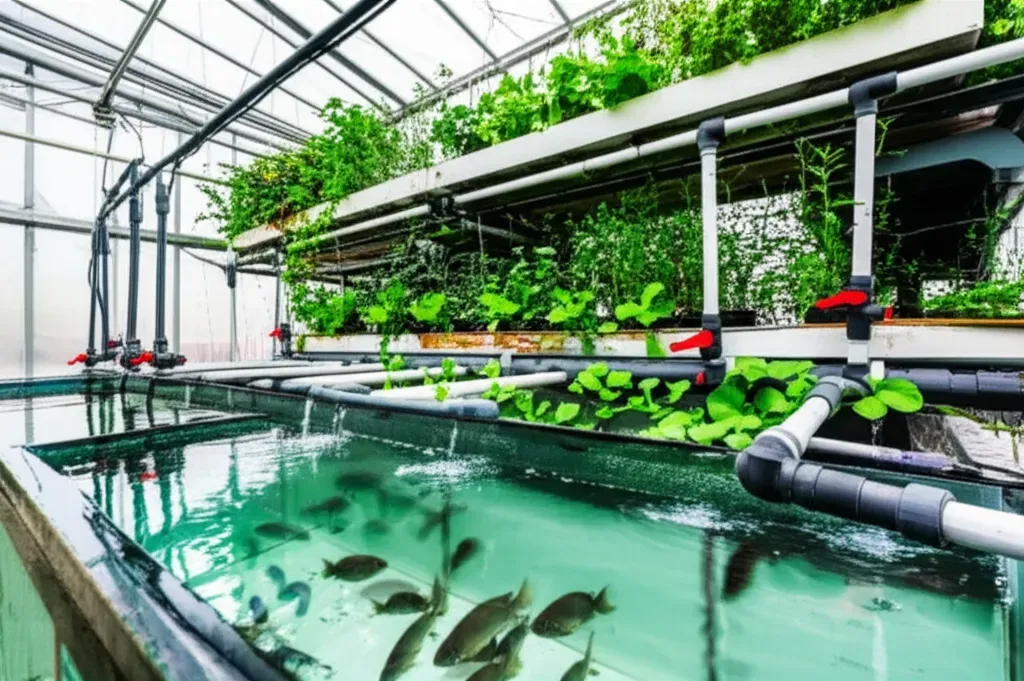
Your aquaponics water system must continuously circulate, filter, and maintain balanced chemistry to keep fish alive and plants thriving. Water moves from your fish tank through mechanical and biological filtration, delivers nutrients to grow beds, and returns in an endless cycle, each component depends on the others functioning correctly.
Table of Contents
- Understanding Your Aquaponics Water System as an Integrated Cycle
- The Three Essential Functions: Why Each Component Matters
- How Water Quality Affects Fish Health and Plant Growth
- Water Circulation: Pumps, Flow Rates, and System Design
- Choosing the Right Pump Size for Your System
- Plumbing Configuration and Water Flow Optimization
- Maintaining 24/7 Circulation and Backup Planning
- Filtration Systems: Mechanical and Biological Components
- Mechanical Filtration: Removing Solid Waste Effectively
- Biological Filtration: The Nitrogen Cycle in Action
- Combined Filtration Approaches and When to Use Additional Treatment
- Daily, Weekly, and Monthly Water Management Tasks
- Daily Monitoring and Quick Checks
- Weekly Testing and Maintenance Routines
- Monthly Deep Maintenance and System Inspection
- Troubleshooting Common Water System Problems
- Diagnosing and Fixing Circulation Issues
- Resolving Ammonia and Nitrite Spikes
- Managing pH Drift and Nutrient Imbalances
When I explain aquaponics to new growers, I compare the water system to your body's circulatory system. Your heart pumps blood, your kidneys filter waste, and you monitor your health with regular checkups. Similarly, pumps circulate water, filters remove and convert waste, and you test parameters to catch problems early. Skip any one function and the entire system suffers.
Understanding Your Aquaponics Water System as an Integrated Cycle
Water carries three critical resources through your system: oxygen for fish respiration, nutrients from fish waste to plants, and beneficial bacteria that make the whole cycle possible. Fish produce ammonia through their gills and waste. (Source: National Agricultural Library, USDA) Nitrifying bacteria convert that ammonia first to nitrite, then to nitrate, which plants absorb as fertilizer (National Agricultural Library). The cleaned water returns to the fish tank to begin the cycle again.
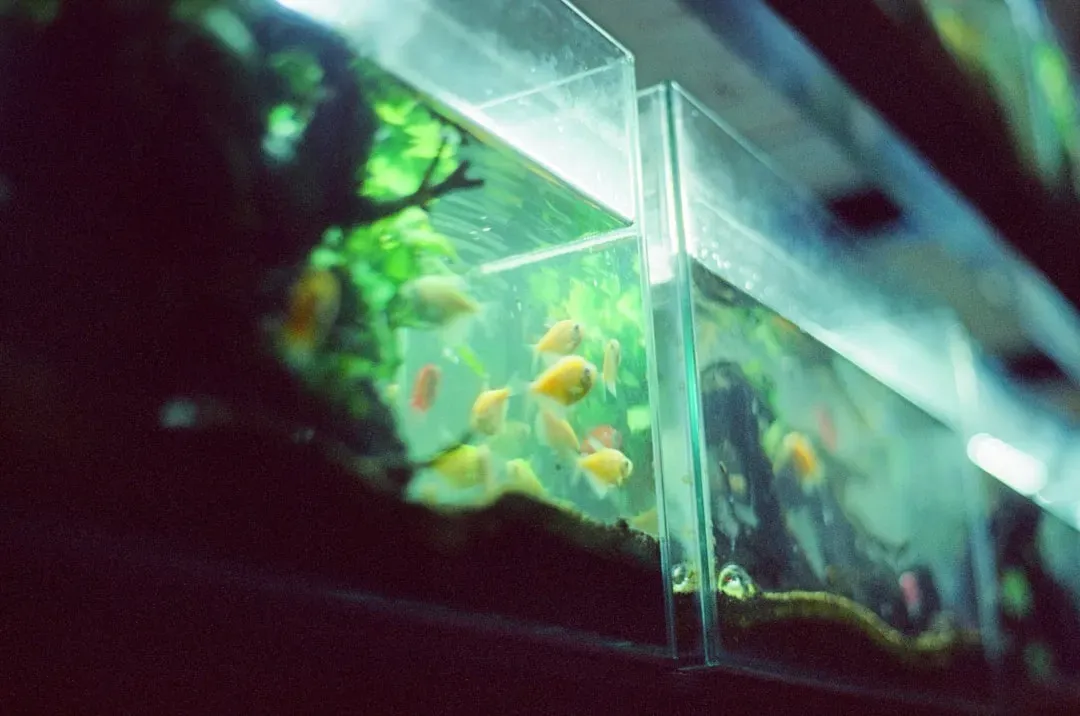
This cycle runs continuously, 24 hours daily. Your pump stops for two hours during a power outage, dissolved oxygen drops, fish stress, and beneficial bacteria colonies can die. Understanding this interdependence helps you prioritize which components deserve your investment and attention.
The Three Essential Functions: Why Each Component Matters
Circulation delivers oxygen-rich water to fish and transports dissolved nutrients to plant roots. Without adequate flow, dead zones form where oxygen depletes and waste accumulates. Your pump and plumbing configuration determine whether every corner of your system receives fresh water or becomes a stagnant problem area.
Filtration operates in two stages that work sequentially. Mechanical filtration removes solid fish waste, uneaten food and feces, before it decomposes and overloads your system. Biological filtration converts toxic ammonia into plant-usable nitrate through bacterial colonies living on media surfaces.
Management means testing water parameters, adjusting pH, monitoring fish behavior, and cleaning components before small issues become catastrophic failures. Well, even perfectly designed systems require human oversight. I've seen automated systems fail because nobody noticed the pH had drifted to 8.2 over three weeks, slowly stressing both fish and bacteria.
How Water Quality Affects Fish Health and Plant Growth
Five parameters determine whether your system thrives or struggles. pH affects nutrient availability and bacterial activity, most systems perform best between 6. (Source: Aquaponics Association)8 and 7.2. Ammonia and nitrite should always read zero after your system cycles; any detection means your biofilter can't handle the current fish load. Nitrate should stay between 5-150 ppm, providing plant nutrition without reaching toxic levels. (Source: North Carolina State University Cooperative Extension) Dissolved oxygen should exceed 5 mg/L for healthy fish respiration. (Source: EPA Water Quality Standards)
Temperature influences everything simultaneously. Warmer water holds less dissolved oxygen but speeds bacterial activity. If your priority is cold-water fish like trout, maintain 55-65°F and install supplemental aeration; if you're raising tilapia in a greenhouse, 75-85°F works but requires careful oxygen monitoring during summer peaks.
Here's the thing: these parameters interact constantly. High ammonia suppresses fish immune systems, making them vulnerable to disease. Low pH slows bacterial conversion, allowing ammonia to accumulate. Your water system management keeps all these variables within acceptable ranges simultaneously.
Water Circulation: Pumps, Flow Rates, and System Design
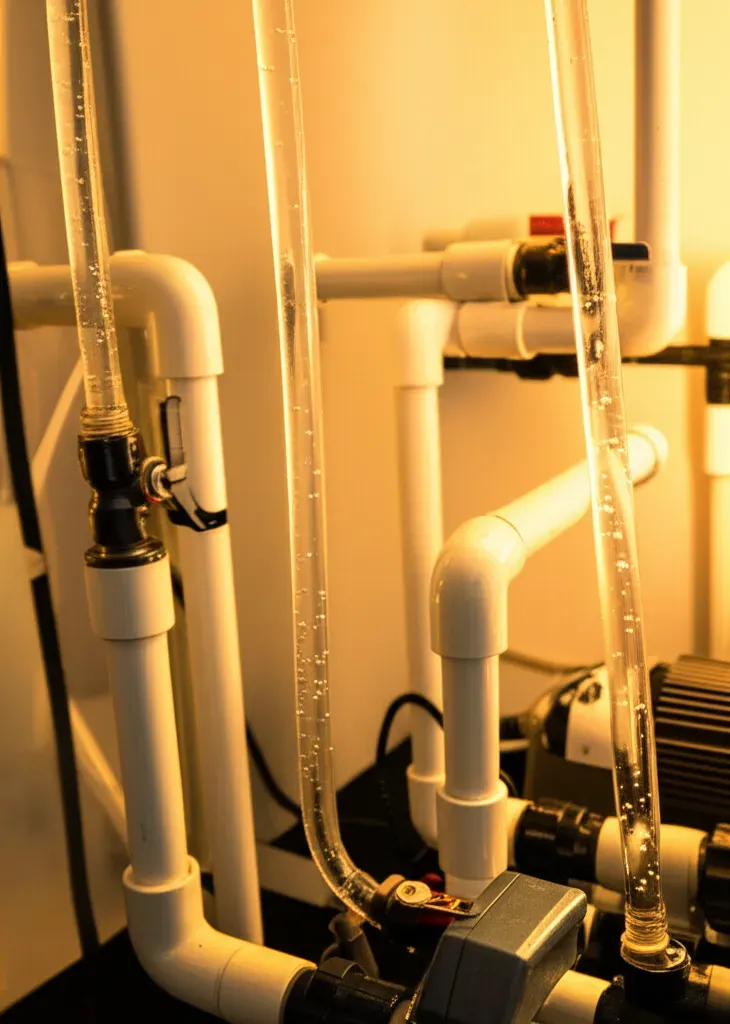
Undersized pumps create the most common beginner failure I encounter. Your system needs complete water turnover at least once per hour, twice per hour delivers better results in most configurations (University of Hawaii). (Source: University of Hawaii) A 200-gallon total system volume requires minimum 200 gallons per hour (GPH) flow, but accounting for head height and plumbing resistance means you'll actually need a 300-400 GPH rated pump.
Water Quality Parameters for Aquaponics Systems
| Parameter | Optimal Range | Impact if Too Low | Impact if Too High |
|---|---|---|---|
| pH | 6.8 - 7.2 | Slows bacterial conversion, ammonia accumulates | Reduces nutrient availability, stresses fish |
| Ammonia (NH3) | 0 ppm | N/A - should always be zero | Suppresses fish immunity, toxic to fish and bacteria |
| Nitrite (NO2-) | 0 ppm | N/A - should always be zero | Toxic to fish, indicates incomplete nitrogen cycle |
| Nitrate (NO3-) | 5 - 150 ppm | Insufficient plant nutrition | Toxic to fish and plants at extreme levels |
| Dissolved Oxygen | >5 mg/L | Fish respiratory stress, reduced bacterial activity | Generally not harmful, but indicates oversaturation |
Choosing the Right Pump Size for Your System
Calculate your required flow rate by adding fish tank volume, sump volume, and water volume in grow beds and plumbing. Multiply that total by 1.5 to 2 for your target GPH. Then check pump specifications at your actual head height, the vertical distance from pump to highest water point. A pump rated 400 GPH at zero feet might only deliver 250 GPH when lifting water four feet vertically.
For 50-100 gallon systems, look for pumps rated 150-250 GPH at your head height, typically consuming 15-25 watts. Systems holding 100-300 gallons need 300-600 GPH pumps using 35-65 watts. Larger systems exceeding 300 gallons often require 600-1200 GPH pumps consuming 80-150 watts. Operating cost averages $3-8 monthly for small systems, $8-18 for medium systems.
Submersible pumps sit inside your sump tank, simplifying plumbing but generating heat that transfers to water. Inline pumps mount externally, running cooler but requiring priming and proper seals. For most backyard systems under 500 gallons, quality submersible pumps offer the best reliability-to-cost ratio.
Plumbing Configuration and Water Flow Optimization
Use one central pump drawing from a sump tank positioned at the lowest point. This configuration lets gravity return water from grow beds and fish tank to the sump, while the pump pushes water upward to distribution points. Avoid pumping water downward, you're fighting physics and wasting energy.
Pipe diameter matters more than beginners expect. Undersized pipes create bottlenecks that reduce flow and increase pump workload. For systems under 300 gallons, use 3/4-inch minimum for main lines and 1/2-inch for individual grow bed feeds. Every 90-degree elbow reduces flow by approximately 5-10%, so minimize bends and use gradual sweep elbows where possible.
Distribute water evenly across multiple grow beds using a manifold with individual ball valves. This lets you balance flow to each bed and isolate sections for maintenance without shutting down the entire system.
Maintaining 24/7 Circulation and Backup Planning
Continuous circulation isn't optional, it's survival. Fish deplete oxygen within hours in stagnant water, especially in warm weather or densely stocked tanks. Beneficial bacteria colonies die when water stops flowing past their media surfaces.
Battery backup systems designed for aquarium use provide 4-24 hours of emergency circulation depending on battery capacity and pump size. For around $80-150, these units automatically activate during power outages. Alternatively, keep a battery-powered air pump and air stones as a minimum backup, they won't circulate water but they'll keep oxygen levels survivable until power returns.
Filtration Systems: Mechanical and Biological Components
Filtration determines your system's carrying capacity, how many fish you can raise before water quality collapses. Both stages must match your fish load or the system becomes unbalanced quickly.
Pump Selection Guide by System Size
| System Volume | Minimum GPH Required | Recommended Pump Wattage | Typical Head Height Consideration |
|---|---|---|---|
| 50-100 gallons | 150-250 GPH | 15-25 watts | Account for 2-3 feet lift |
| 100-300 gallons | 300-600 GPH | 35-75 watts | Account for 3-4 feet lift |
| 300-500 gallons | 600-1000 GPH | 75-150 watts | Account for 4-5 feet lift |
| 500+ gallons | 1000+ GPH | 150+ watts | Account for 5+ feet lift |
Mechanical Filtration: Removing Solid Waste Effectively
Swirl filters use centrifugal force to settle solids in a cone-shaped tank where they collect at the bottom for easy removal. These work well for systems over 200 gallons, cost $50-150 for DIY versions or $200-400 commercially made, and require cleaning every 3-7 days depending on fish density.
Filter socks, fabric bags that catch particles, fit systems of any size and cost $5-15 each. You'll need at least two so you can swap them during cleaning. They clog faster than swirl filters, requiring cleaning every 1-3 days in heavily stocked systems, but they're nearly foolproof and catch particles down to 50-100 microns.
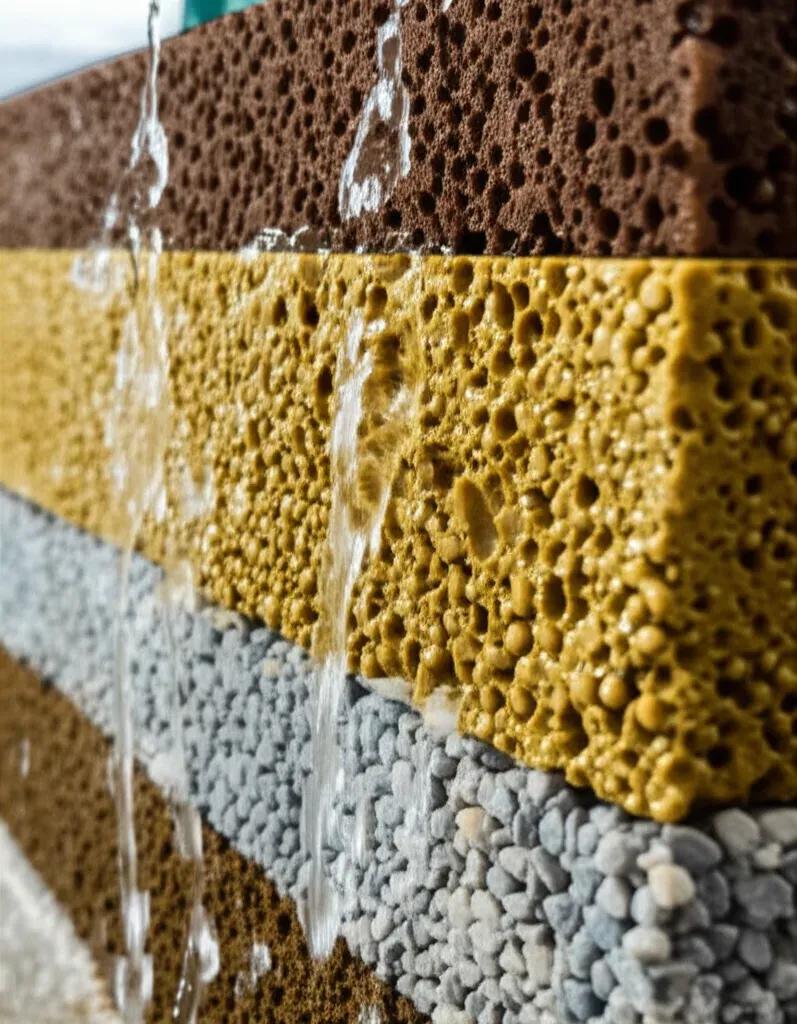
Media-based grow beds provide mechanical filtration as water percolates through gravel or expanded clay. Solids get trapped in the top layers where worms and other decomposers break them down. This integrated approach eliminates separate mechanical filters but requires deeper grow beds (12 inches minimum).
Biological Filtration: The Nitrogen Cycle in Action
Beneficial bacteria colonies, primarily Nitrosomonas and Nitrobacter species, attach to any wet surface in your system. They convert ammonia to nitrite, then nitrite to nitrate, in a two-step process called nitrification (National Agricultural Library). These bacteria need oxygen, surface area, and consistent water flow to thrive.
Surface area determines biofilter capacity. Porous media like lava rock, expanded clay pebbles, or bio-balls offer hundreds of square feet of surface area per cubic foot of media.
New systems require 4-8 weeks to establish adequate bacterial populations, a process called cycling. During cycling, ammonia and nitrite spike as bacteria colonies grow. "You can't rush the nitrogen cycle, attempting to add fish before bacteria establish leads to toxic conditions and fish loss," according to aquaponics researchers at University of Hawaii. Test water daily during this period and avoid adding fish until both ammonia and nitrite read zero for three consecutive days.
Combined Filtration Approaches and When to Use Additional Treatment
Media-based systems integrate mechanical and biological filtration into grow beds filled with gravel or expanded clay. Water floods the bed, solids settle into media, and bacteria colonize all those porous surfaces. This elegant approach works beautifully for systems under 500 gallons and simplifies design significantly.
Raft systems, where plants float on foam boards in water channels, require separate biofilters since there's no media bed for bacteria. These systems typically use moving bed biofilters filled with plastic media that tumbles in aerated water, maximizing bacterial surface area and oxygen exposure.
UV sterilization kills free-floating pathogens and algae spores but isn't necessary for most backyard systems. Supplemental aeration using air stones becomes critical in warm climates or densely stocked systems where dissolved oxygen drops below 5 mg/L.
Daily, Weekly, and Monthly Water Management Tasks
Consistent monitoring catches problems when they're still small and fixable. A daily routine taking 10-15 minutes prevents the weekend discoveries that require emergency interventions and fish losses.
Daily Monitoring and Quick Checks
Watch your fish during morning feeding, they're your best water quality indicators. Healthy fish swim actively, respond eagerly to food, and show bright colors. Fish hanging at the surface gasping signal low dissolved oxygen. Lethargic fish refusing food suggest ammonia or nitrite problems, disease, or temperature stress.
Check water temperature with a quick glance at your thermometer. In summer, temperatures climbing above 85°F require immediate action, add shade, increase aeration, or freeze water bottles to float in the tank. Verify water is flowing through all grow beds and returning to the sump. Listen to your pump, changes in sound often indicate clogs, worn impellers, or air locks.
Weekly Testing and Maintenance Routines
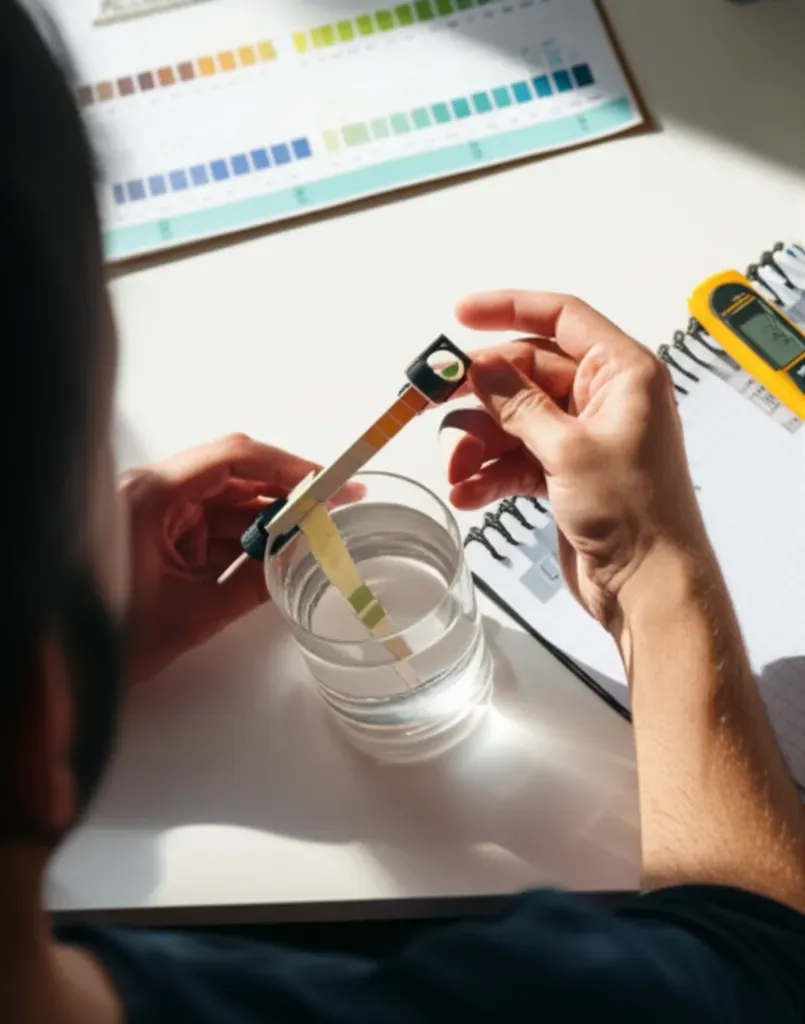
Test pH, ammonia, nitrite, and nitrate every week using liquid test kits (more accurate than strips). Record results in a log to spot trends. pH naturally drifts downward as the system ages due to nitrification, when it drops below 6.5, add calcium carbonate or potassium carbonate to raise it gradually. Target 6.8-7.2 for optimal bacterial and plant performance.
Ammonia and nitrite should always read zero in established systems. Any detection means your biofilter can't process current waste production, reduce feeding, check for dead fish, verify adequate water flow through biofilter media, and test dissolved oxygen. Nitrate between 5-150 ppm indicates healthy plant nutrient levels; below 5 suggests underfeeding or excessive plant uptake, above 150 signals overfeeding or insufficient plant mass.
Clean mechanical filters weekly or when flow rate noticeably decreases. Top off evaporated water, expect 1-3% daily loss depending on temperature and humidity. Use dechlorinated water or let tap water sit 24 hours before adding to allow chlorine to dissipate.
Monthly Deep Maintenance and System Inspection
Remove and clean your pump monthly, checking the impeller for wear or damage and clearing any debris from the housing. Inspect all plumbing connections for leaks or loosening. Test dissolved oxygen levels monthly, especially during temperature extremes. Levels below 5 mg/L require additional aeration through air stones or increased water circulation.
Trim plant roots that have grown excessively and might block water flow. Remove dead plant material before it decomposes and adds organic load. Honestly, this monthly inspection catches the small issues before they become expensive problems requiring system shutdowns or fish losses.
Troubleshooting Common Water System Problems
Most water system failures follow predictable patterns. The problems I see most frequently involve circulation failures, biofilter overload, and parameter imbalances that cascade into multiple issues.
Diagnosing and Fixing Circulation Issues
Reduced flow shows up as slower grow bed flooding, weaker return streams, or temperature variations between system components. Check the pump intake first, clogs from plant roots, debris, or algae growth restrict water flow. Remove the pump, disassemble according to manufacturer instructions, and clear the impeller and housing thoroughly.
Air locks trap air bubbles in high points of your plumbing, blocking water flow. Install automatic air release valves at peak points or manually bleed air by loosening fittings until water flows freely.
Resolving Ammonia and Nitrite Spikes
Detectable ammonia or nitrite in established systems signals biofilter failure or overload. Immediately reduce feeding by 50% to decrease waste production. Test dissolved oxygen, bacterial colonies die without adequate oxygen, so add air stones if levels drop below 5 mg/L. Check water temperature since bacteria slow dramatically below 60°F or above 85°F.
Overfeeding creates more waste than your biofilter can process. Feed only what fish consume in 5 minutes, once or twice daily. A dead fish decomposing in your system produces massive ammonia spikes, remove any deceased fish immediately and check hiding spots where bodies might go unnoticed.
Recent system changes like adding fish too quickly, cleaning biofilter media too aggressively, or medication use can crash bacterial populations. To be fair, patience works better than intervention, bacteria reestablish naturally within 2-4 weeks if conditions remain stable.
Managing pH Drift and Nutrient Imbalances
pH dropping below 6.5 slows bacterial activity and limits nutrient availability. Raise pH gradually using calcium carbonate (crushed oyster shells, limestone) or potassium carbonate, adding small amounts over several days rather than large corrections that shock fish and bacteria.
High nitrates above 150 ppm indicate insufficient plant uptake relative to fish waste production. Add more plants, increase plant density in existing beds, or reduce fish population. Low nitrates below 5 ppm suggest underfeeding, fish aren't producing enough waste to support plant growth, so gradually increase feeding rates while monitoring ammonia levels.
Iron deficiency shows as yellowing new plant growth and is common in aquaponics since fish waste contains minimal iron. Add chelated iron at 2-3 ppm monthly or when symptoms appear.
Start with daily fish observation and weekly water testing, these two habits prevent 90% of water system problems before they become critical. Build your routine now, before issues force emergency interventions.
Related Articles
- How Does an Aquaponics System Work? The Complete Cycle Explained
- Aquaponics System Parts & Components: Complete Checklist
- Complete Guide to Aquaponics Systems: How They Work & Getting Started
- Aquaponics System Design: Planning Your Perfect Setup
- Indoor Aquaponics Systems: Complete Setup & Maintenance Guide
- DIY Aquaponics Systems: Complete Build Guide for Beginners
Frequently Asked Questions
What happens to my aquaponics system if the power goes out?
If your pump stops, dissolved oxygen drops within hours, fish become stressed, and beneficial bacteria colonies can die within 2-4 hours. Install a battery backup system or air pump to maintain circulation and oxygenation during outages. Even a few hours without circulation can cause irreversible damage to your system.
How often should I test my water parameters?
Test daily during the cycling phase and weekly once your system is established. Daily monitoring includes checking dissolved oxygen and fish behavior, while weekly tests should cover pH, ammonia, nitrite, and nitrate. Monthly deep inspections help catch pH drift and other gradual issues before they stress your fish and plants.
What's the ideal pH range for aquaponics?
Most aquaponics systems perform best between pH 6.8 and 7.2. Outside this range, nutrient availability decreases and bacterial activity slows, allowing ammonia to accumulate. Monitor pH weekly and adjust gradually using pH buffers to avoid shocking your fish and bacteria.
How do I know if my pump is the right size for my system?
Your pump should turn over the entire system volume 1-2 times per hour to ensure adequate circulation and prevent dead zones. Calculate your total water volume, then choose a pump rated for that flow rate. Undersized pumps create stagnant areas where oxygen depletes and waste accumulates.
What should I do if ammonia or nitrite spikes appear in my tests?
A spike indicates your biofilter can't process the current fish load. Immediately reduce feeding, perform a 25-30% water change, and check for dead fish or uneaten food clogging mechanical filters. If spikes persist, you're overstocked—reduce fish numbers or expand your grow bed area for more bacterial colonies.
Why is mechanical filtration important if I have biological filtration?
Mechanical filtration removes solid waste before it decomposes and overwhelms your biofilter with excess ammonia. Without it, solid waste accumulates, clogs pipes, and creates oxygen-depleted dead zones. Both stages work sequentially—mechanical first, then biological—to keep your system balanced.
What's the difference between dissolved oxygen requirements for trout versus tilapia?
Cold-water fish like trout need 55-65°F water and supplemental aeration since cooler water holds more oxygen naturally but fish still demand high levels. Tilapia thrive at 75-85°F but warm water holds less dissolved oxygen, requiring careful monitoring during summer. Choose your fish species based on your climate and aeration capacity.
How does low pH affect my aquaponics system?
Low pH slows bacterial conversion of ammonia to nitrate, allowing toxic ammonia to accumulate and suppress fish immune systems. It also reduces nutrient availability to plants. If pH drops below 6.8, adjust it upward gradually using pH buffers to restore bacterial activity and fish health.